
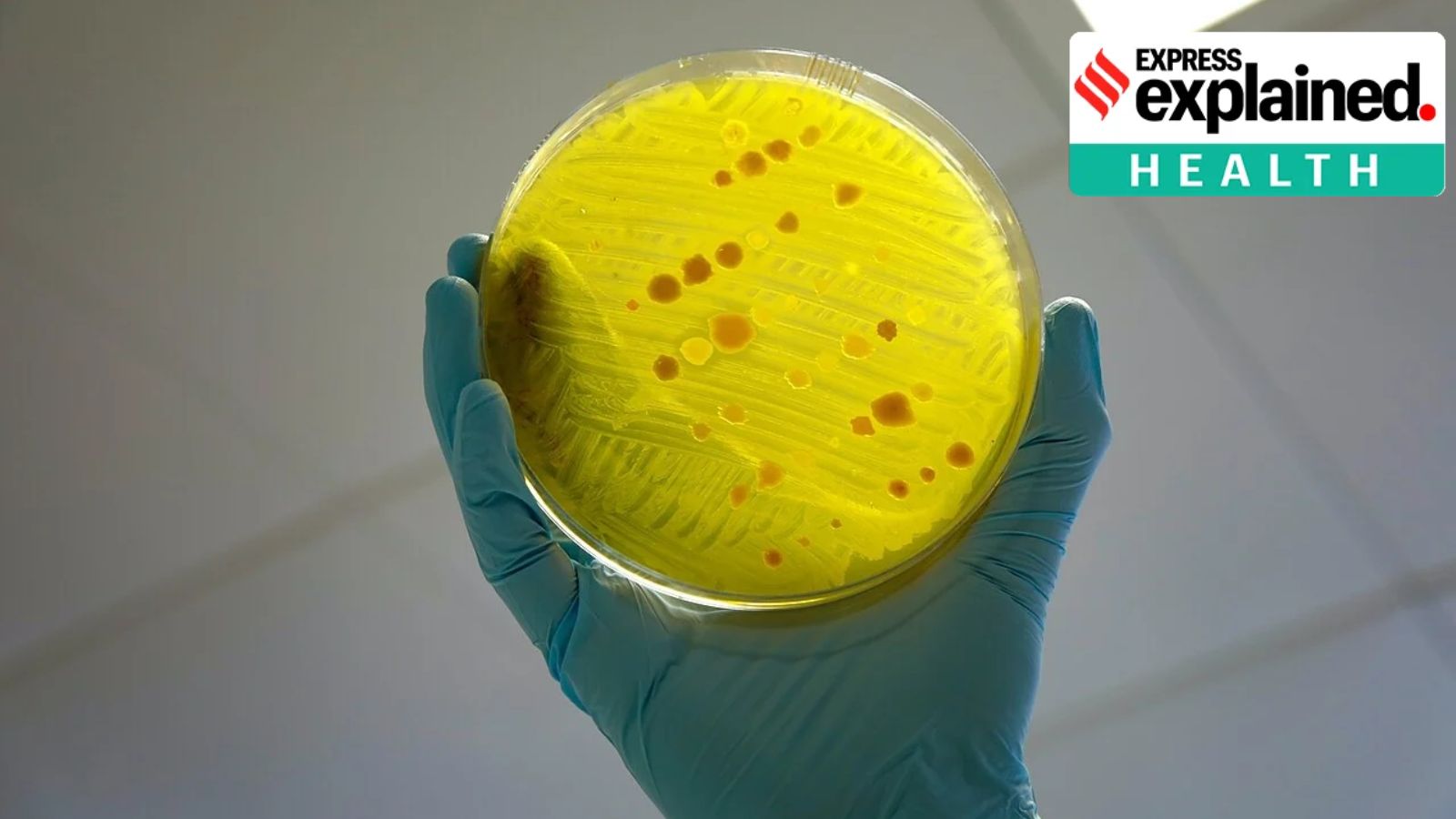
The ICMR’s 2025 report shows high antibiotic resistance in smaller hospitals across India. Commonly used medicines now fail against bacteria like E. coli, making routine infections harder to treat. Dr. Kamini Walia said, "We have already reached that point." Experts now urge better diagnostics and responsible antibiotic use to save lives.
ICMR's latest report finds high antibiotic resistance even in smaller hospitals. Scientist Dr Kamini Walia explains the risks for patients, including newborns, and what needs to change.
India is facing a growing challenge from antimicrobial resistance (AMR), with commonly used antibiotics becoming less effective against bacteria responsible for both routine and serious infections. The ICMR's Antimicrobial Resistance Surveillance and Research Network (AMRSN) Annual Report 2025 found high levels of resistance to several antibiotics among E. coli and Klebsiella pneumoniae, bacteria that can cause pneumonia, urinary tract infections and bloodstream infections. It also highlighted worrying resistance to powerful antibiotics such as carbapenems, particularly among bacteria associated with hospital-acquired infections.
For the first time, the report included data from 34 secondary-care hospitals, showing that resistance to commonly used antibiotics is also a concern beyond large, specialised hospitals. The findings are particularly worrying for critically ill patients and newborns, and underscore the need for better diagnostics, responsible antibiotic use and stronger infection prevention measures.
Dr Kamini Walia, Scientist G and Head of the Descriptive Research Division, Indian Council of Medical Research (ICMR), discusses the implications of the findings, why routine infections are becoming harder to treat and what India needs to do to contain the growing threat.
The report shows high resistance to commonly used antibiotics among bacteria such as E. coli and Klebsiella pneumoniae. What does this mean for patients who develop these infections?
Infections caused by E. coli and Klebsiella are very common in India, both among patients admitted to hospitals and those who are not hospitalised. The growing resistance of these two bacteria to important antibiotics is a matter of serious concern for the general public. This makes quicker diagnostics and preventive healthcare imperative.
Does this mean routine infections are already becoming significantly harder to treat?
We have already reached that point. It is high time antimicrobial resistance becomes a priority in healthcare discussions. Infections caused by drug-resistant bacteria are difficult to treat because commonly used antibiotics may no longer work. The alternative medicines, often referred to as last-resort antibiotics, are expensive, carry a higher risk of side effects and may not be as effective.
What are the main reasons behind the declining effectiveness of third-generation drugs like cephalosporins and fluoroquinolones?
The main driver of antimicrobial resistance is the misuse of antibiotics, particularly prescribing or taking them for illnesses that do not require these medicines. For instance, antibiotics do not work against viral infections such as most cases of viral fever. Many diarrhoeal illnesses also do not require antibiotic treatment. Other important factors include poor infection prevention practices, such as inadequate handwashing and respiratory hygiene, as well as the use of antibiotics in animal farming.
The 2025 report includes data from 34 secondary-care hospitals for the first time. What do these findings tell us about antimicrobial resistance beyond major hospitals?
The new data show that resistance to third-generation cephalosporins is very high even in secondary-care hospitals. Carbapenem resistance, however, largely remains a problem in larger, specialised hospitals.
Were any findings particularly surprising? What should district hospitals and smaller healthcare facilities do in response?
We expected to find better effectiveness of third-generation cephalosporins, but clearly that is not the case. It is high time district hospitals and smaller healthcare facilities set up hospital infection control committees and antimicrobial stewardship committees. They need to introduce measures to identify infections early and take the necessary steps to control antimicrobial resistance.
Why are hospital-acquired infections proving so difficult to treat?
The first-line and second-line antibiotics commonly used to treat infections often do not work against hospital-acquired infections caused by resistant bacteria. Doctors are then forced to use third-line antibiotics, which are often the last available treatment option. These medicines are expensive, may be less effective and are associated with a higher risk of side effects.
The report identifies Klebsiella pneumoniae as the leading bacterium found in newborns with bloodstream infections, with worrying resistance patterns. How serious is the threat to newborns?
Klebsiella pneumoniae is a common cause of infections in both adult and newborn intensive-care units. It is known to develop resistance to several drugs and can lead to high mortality. We are still analysing nationwide data from neonatal intensive-care units (NICUs) to get a clearer picture of antibiotic resistance patterns in newborns. Current treatment protocols may need to be adjusted according to what these findings reveal.
How can doctors make better antibiotic choices when resistance patterns vary across regions and hospitals?
Doctors need to be aware of local antibiotic resistance patterns, known as antibiograms. These show which antibiotics are working against common bacteria in that particular hospital. Resistance patterns can differ between a district hospital, a large referral hospital and an intensive-care unit. Knowing these local patterns can help doctors make better initial treatment choices.
Hospitals should also invest in diagnostic tests that can provide results quickly, helping doctors choose the right antibiotic. Doctors must distinguish between initial treatment and treatment based on confirmed laboratory results. When a patient is seriously ill, doctors may have to start antibiotics before knowing exactly which bacteria are responsible. This is called initial or empirical treatment. Once laboratory results become available, the treatment should be reviewed and changed if necessary, so that the patient receives the most appropriate antibiotic rather than a broader or stronger medicine without reason.
Beyond surveillance and awareness campaigns, what policy and healthcare interventions should be prioritised?
Antimicrobial stewardship programmes should be made compulsory in all hospitals. There should also be a compulsory certificate course for all doctors who prescribe medicines.
Newsletter
Subscribe
Doctors should not assume that the same antibiotic will work equally well in every hospital or region. Treatment decisions must take into account the type and seriousness of the infection, the bacteria likely to be responsible, local resistance patterns, the patient's medical history and previous antibiotic use.
Finally, the choice of antibiotic must depend on where the infection is located. A medicine that works for a simple urinary tract infection may not be suitable for a kidney infection, a bloodstream infection or an infection involving the brain. Doctors must consider the site and seriousness of the infection rather than relying on a single antibiotic for different conditions.
Laboratory testing can also help identify the reasons behind antibiotic resistance. Some tests look for specific changes in bacteria that make certain medicines ineffective. These findings, along with routine laboratory tests that check whether an antibiotic can stop the bacteria from growing, help doctors make better treatment decisions.