
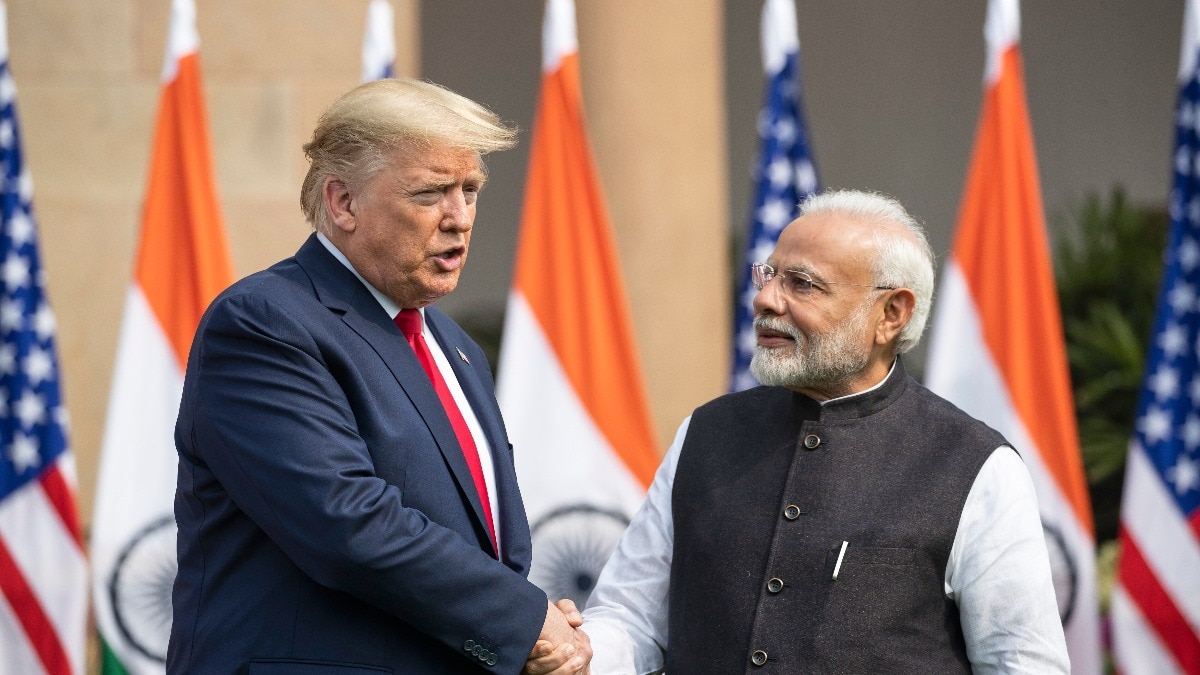
US President Donald Trump waived sanctions and duties under the Graham Act on Friday evening. This decision stops 100% tariffs on goods from major Russian energy buyers like India. "I am hereby waiving the application of such sanctions, restrictions, and duties," Trump said. The move aims to keep oil prices stable.
The decision puts on hold measures that could have imposed tariffs of up to 100% on goods from major buyers of Russian energy, including India and China. The order allows the waiver to remain in effect until Trump or his administration determines that further action is necessary.
US President Donald Trump has waived sanctions, restrictions and duties under the Lindsey O. Graham Sanctioning Russia and Iran Act of 2026, citing US national interest. "I am hereby waiving the application of such sanctions, restrictions, and duties provided for in the Graham Act," Trump said in an executive order issued on Friday evening.
Trump said he had submitted a certification to Congress stating that the waiver was in the national interest of the United States. The Act empowers the US president to impose sweeping sanctions on Moscow and levy steep tariffs on major buyers of Russian oil and gas, including India and China.
Trump signed the Graham Act into law on September 18. It was designed to increase economic pressure on Moscow over its invasion of Ukraine, which began in February 2022, by targeting Russia's energy sector and countries that continue to buy its oil and gas.
Under the measures outlined in the executive order, duties on goods from Russia could have increased by 500%. The order also provided for 100% tariffs on goods from the five largest importers of Russian crude oil and natural gas if they knowingly made new purchases of Russian-origin supplies on or after October 18. An additional 100% duty was envisaged for goods from the five biggest facilitators of Russian oil sanctions evasion. Trump has waived these duties.
India, one of the biggest buyers of Russian oil, had warned Washington that additional tariffs could affect bilateral ties. New Delhi has maintained that its energy purchases are guided by the need to ensure secure and affordable supplies. China had also opposed the proposed measures.
OIL PRICES, MIDTERMS AND CRITICISM
The waiver comes as the US faces higher energy costs amid the ongoing US-Israeli war on Iran. Imposing the new measures risked pushing oil prices higher and adding to pressure on American consumers ahead of the November midterm elections.
Trump has also faced criticism over a recent agreement allowing Russian diesel exports to resume in an effort to increase global supplies and ease fuel prices. Critics, including some US senators, argued that the arrangement could generate revenue for Moscow to fund its war in Ukraine.
US Representative Don Beyer criticised Trump's latest decision, accusing him of undermining Ukraine and weakening congressional efforts to punish Russia for its invasion.
The executive order directs the US Trade Representative, in consultation with other senior officials, to monitor countries' purchases of Russian oil and gas and efforts to help Moscow evade sanctions. Officials must report developments to the president and flag circumstances that could warrant further action.
The waiver will remain in effect until Trump or the relevant administration officials determine that further action is appropriate. The order also clarifies that it does not affect sanctions imposed under earlier executive orders addressing Russia's activities.