
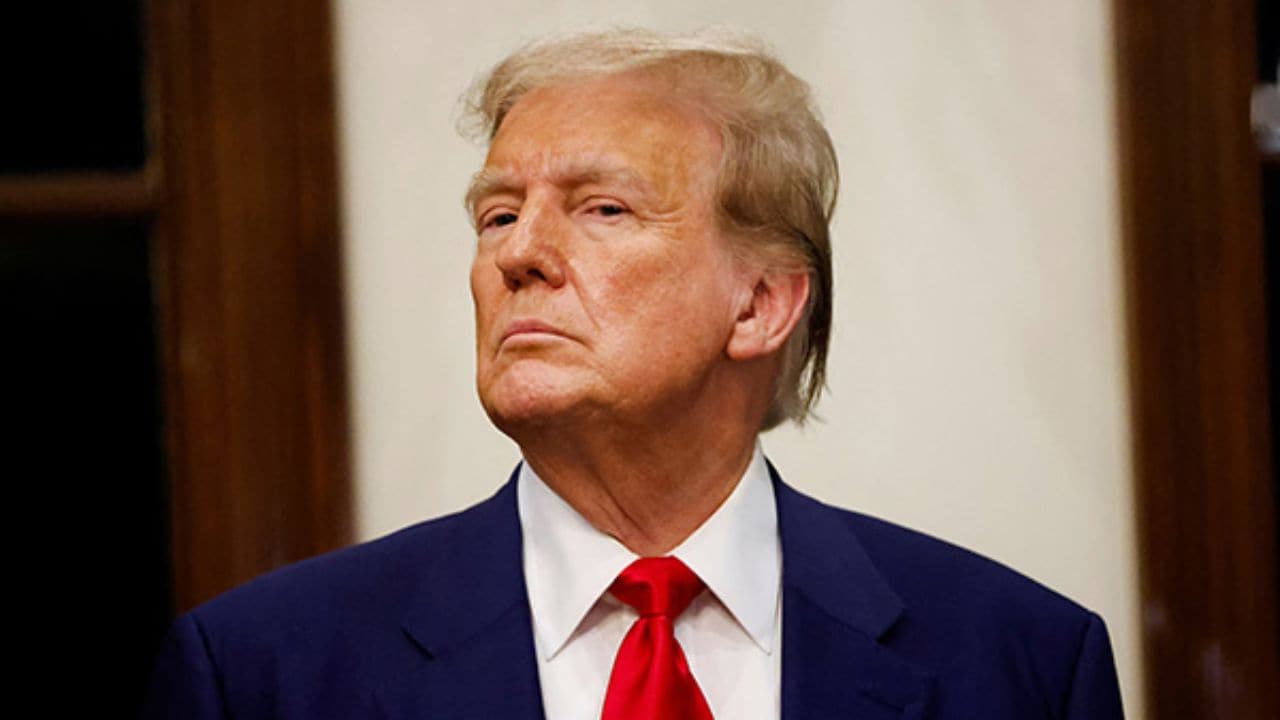
The United States is preparing to increase import duties on India and China, according to a report on Tuesday. U.S. Trade Representative Jamieson Greer will soon release findings from an investigation into industrial subsidies. Washington says these measures aim to protect American businesses from unfair competition caused by foreign government support.
Quote of the day by Malala Yousafzai, 'One child, one teacher, one book, one pen can change the world...'
The United States is preparing to increase import duties on India, China, and several other trading partners, The Wall Street Journal reported on Tuesday. The development comes at a time when negotiations for a trade agreement between New Delhi and Washington are underway. As part of these discussions, India has sought lower tariff rates for its exports to the U.S. market compared to those applied to its key competitors.
U.S. Trade Representative Jamieson Greer is expected to release the findings of an investigation into industrial subsidies across 16 economies this week, though the timeline remains subject to change. According to the report, China could face the steepest tariffs under the proposed measures.
Washington has not yet announced the new tariff rates, nor has it specified which Indian products might be subject to higher duties.
Why is Trump planning to impose new tariffs on India and China?
On March 11, the United States launched an investigation into the industrial policies of its major trading partners. The objective was to determine whether government support provided to manufacturers is causing harm to American businesses.
The Trump administration argues that, due to government subsidies and other forms of financial assistance, manufacturers in certain countries produce goods far in excess of their domestic market's consumption. This surplus is then sold abroad, often at such low prices that it becomes difficult for American manufacturers to compete.
In addition to India and China, this investigation also includes the European Union, Japan, South Korea, Mexico, Taiwan, Bangladesh, Vietnam, Thailand, Malaysia, Cambodia, Singapore, Indonesia, Switzerland, and Norway.
This investigation was initiated under Section 301 of the U.S. Trade Act of 1974. This provision allows Washington to impose additional import duties or take other measures against foreign trade practices that it deems unfair.
India-US Trade Agreement: What is the current status of the negotiations?
Earlier this month, Union Minister Piyush Goyal said that the US had agreed to give India better trade access, with lower tariffs than those imposed on its competing countries.
India is aiming to complete the first phase of this agreement by March 31, 2027. Furthermore, negotiations are also underway for a comprehensive bilateral trade agreement (BTA).
What tariffs is India currently facing?
In February of this year, India and the US announced a framework for an interim trade agreement. Under this, Washington had agreed to reduce the tariffs on Indian goods from 25 per cent to 18 per cent.
On February 20, the US Supreme Court struck down the heavy tariffs that had been imposed by Trump under legislation related to a national emergency.
Subsequently, the Trump administration resorted to other provisions of US trade law to impose import tariffs.
On July 23, Washington announced the imposition of an additional 10 per cent tariff on several Indian products. This move followed a separate investigation into countries regarding measures to prevent the import of goods produced using forced labour.
According to India's Ministry of Commerce and Industry, approximately 45 per cent of Indian exports to the United States were exempt from this additional tariff. This included generic medicines, smartphones, and certain other products that were already subject to separate US tariffs.
Stay informed on all the latest news, real-time breaking news updates, and follow all the important headlines in india news and world news on Zee News English.