
A study across four Indian cities showed nearly three in ten children aged 11 to 15 had no protection against chickenpox. Tamil Nadu recorded 1,320 cases in the first three months of this year. Experts said the industry owes parents better answers as the disease now affects older age groups.
In a pediatrician's waiting room in any Indian city, a parent holds a toddler due for a chickenpox shot. When their turn comes, she asks what most parents ask, 'whether it will work, and whether it is safe for her child.' The doctor answers honestly, from years of experience. But part of the true answer sits outside that room. It depends on what went into the vial, and on everything that happened to it before it reached the clinic fridge.
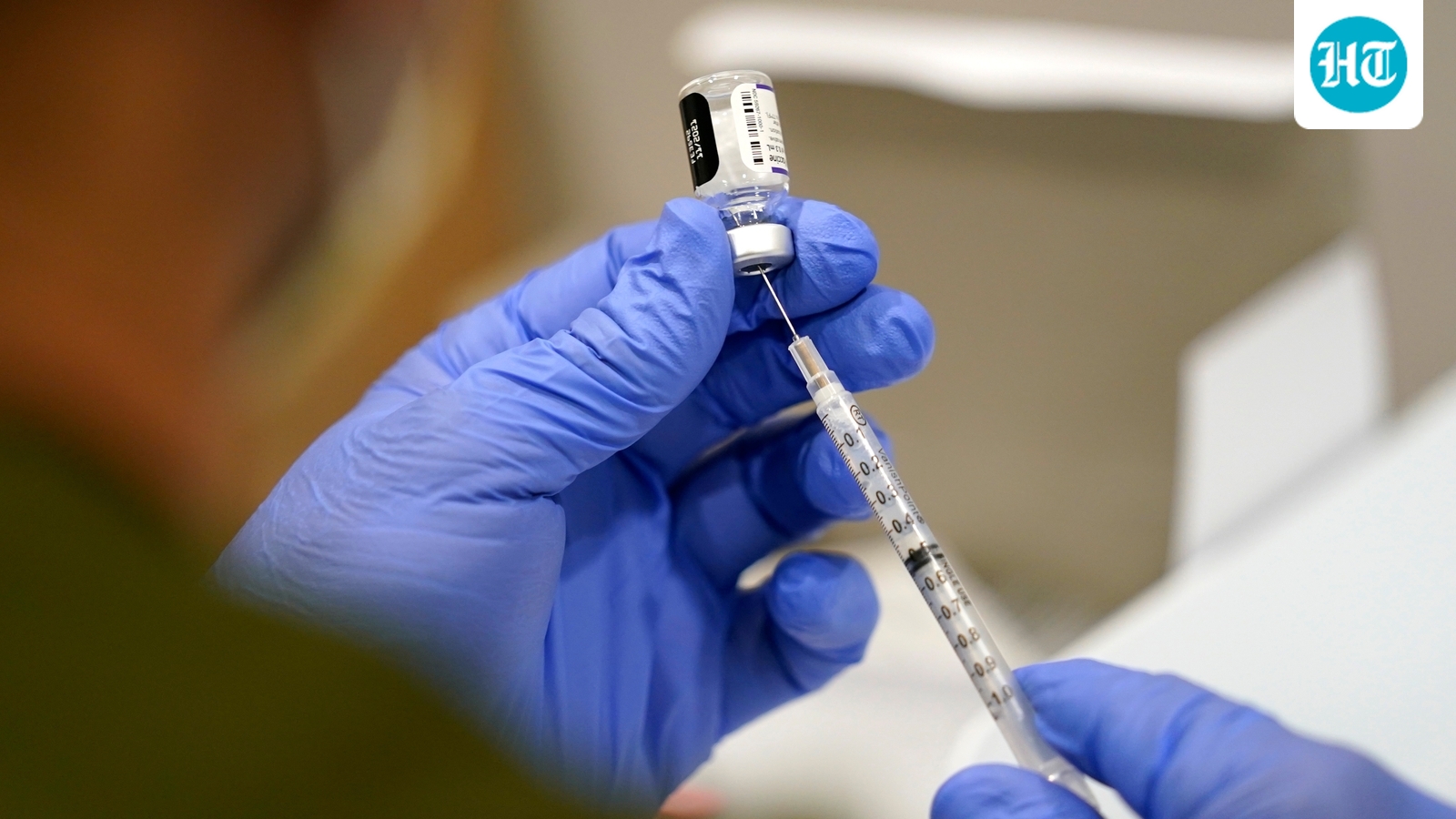
Every dose leaves the factory with a promise on its label. After that, it passes through distributors' stores and clinic fridges whose doors open dozens of times a day. Are we ensuring enough checks are happening to confirm that promise again before the injection? Are we ensuring there is no damage from a temperature lapse that leaves no visible trace and cannot be undone?
I believe our industry owes that parent better answers. That starts with admitting how much the disease has changed.
We still talk about chickenpox as a child's itchy fortnight at home, with scars lasting a lifetime. Indian findings tell a different story. A study across four Indian cities found that nearly three in ten children aged 11 to 15, and one in five young people aged 16 to 20, had no protection against the virus.
A study of 430 pregnant women in Karnataka and Andhra Pradesh found nearly one in four unprotected, and only a quarter had heard of a chickenpox vaccine. About one in six women who remembered having chickenpox had no protection at all. That last finding stays with me, because so many families rely on exactly that memory.
Doctors see the shift too. Pediatricians in Pune reported cases this year in older children and in adult relatives who had never had the disease. When an outbreak in Kerala's Kollam district reached adults last October, local officials urged parents to vaccinate children heading to hostels. Tamil Nadu recorded 1,320 cases in the first three months of this year, against about 1,000 a year earlier, and the state stepped up surveillance in schools and hostels while encouraging vaccination through private clinics.
So, the parent's question is bigger than it sounds. They are choosing protection for a toddler who will one day pack for a hostel, and perhaps plan a pregnancy, when the infection can harm both mother and baby.
In 1991, a doctor named John Kelso saw a 17-year-old who had a severe allergic reaction within five minutes of an MMR shot. She told him it felt like what happened when she ate jelly, and testing pointed to gelatin, an ingredient added to protect the vaccine in transit. Gelatin remains the most common identifiable cause of serious vaccine allergies. Some widely used varicella-containing vaccines still contain it. Where a vaccine can do without it, I believe it should.
Live vaccines are fragile, and making them stable without an allergic ingredient, is where some of the most interesting work in pharma field is happening. Some newer stabilizers borrow a trick from the resurrection plant, which can sit dry and apparently dead for years and revive with water, helped by a sugar stored in its cells. To me, that is the right direction: resilience built into the formulation, to make it hypoallergic and, more so, protection depends a little less on every fridge along the way.
The good news is that this is no longer only an idea in a lab. Nexipox, our varicella vaccine, has been available in Indian clinics for close to a decade, and earlier this year an upgraded version was launched, designed around India's climate and uneven cold chain. The upgrade replaces gelatin and mannitol with a 2x trehalose-based stabiliser, the same sugar the resurrection plant depends on, to keep the live virus stable and potent through storage and handling.
The other half of a good answer is evidence. In one of the largest varicella vaccine clinical trial in India, the upgraded vaccine, Nexipox Plus demonstrated to have 98% seroconversion rate after two doses and antibody levels rose more than 35-fold on average, with no serious side effects linked to the vaccine.
The Indian Academy of Pediatrics prefers that second dose three to six months after the first. Yet in many families the first visit still feels like the finish line.
Two changes would help. Every first dose should leave the clinic with the second already booked and a reminder set.
And those of us who make and distribute these vaccines should compete less on the number printed on the box and more on what a parent actually cares about, which is whether the vaccine in their child's arm is the vaccine that left the factory. We should publish our Indian data, including the results we would rather not see.
That parent deserves a straight answer to their question. Our job is to make sure the honest answer is yes.