
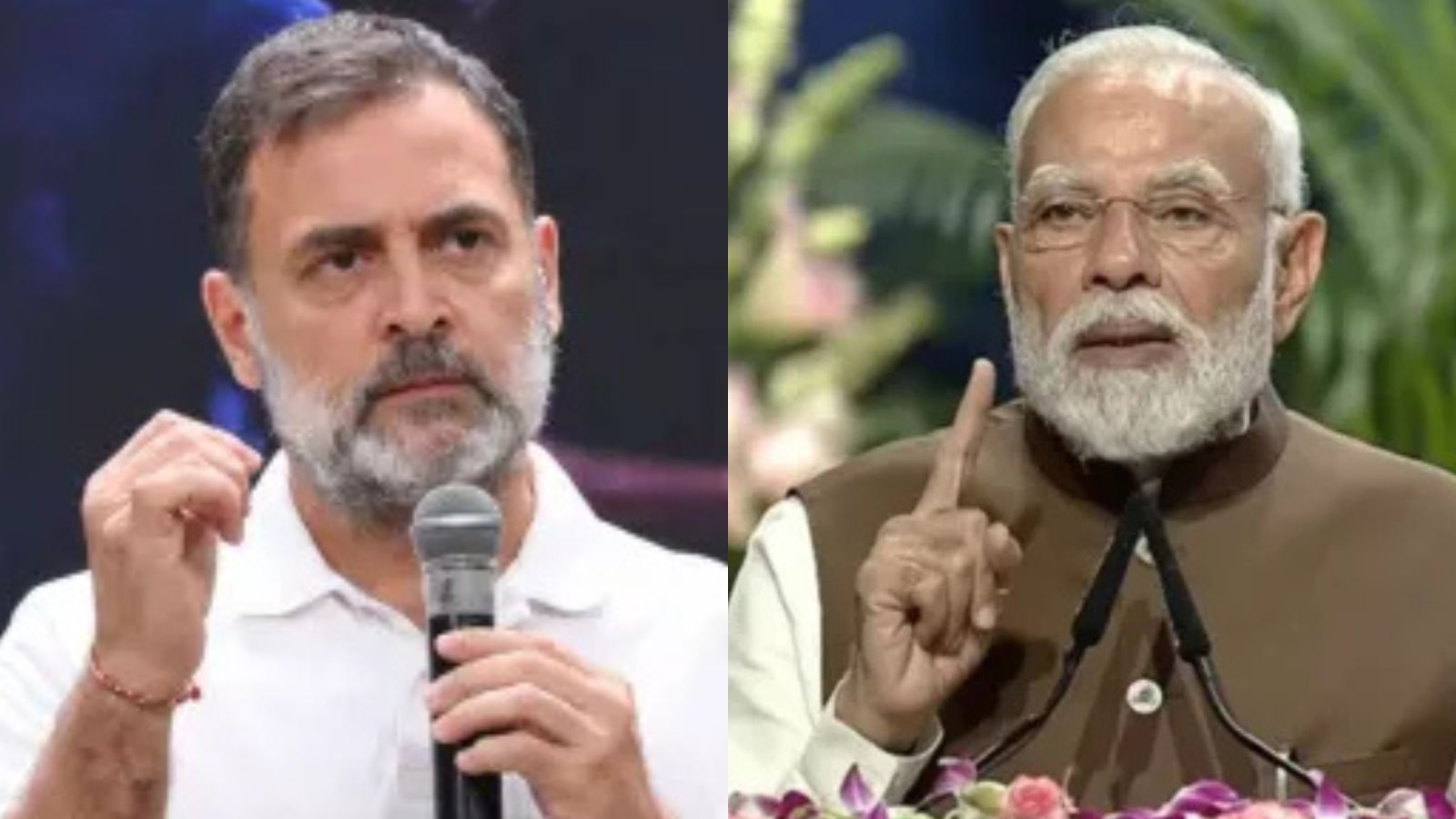
The Supreme Court on Tuesday stayed the defamation trial against Rahul Gandhi over his 2018 remarks about Prime Minister Narendra Modi. A bench issued notice to the Maharashtra government, seeking a reply in four weeks. Gandhi challenged a Bombay High Court order that refused to quash the case against him.
The Supreme Court on Tuesday stayed the trial in the defamation case against Leader of Opposition in the Lok Sabha Rahul Gandhi over his comments calling Prime Minister Narendra Modi "choro ke sardar (head of thieves)" and "commander-in-thief" in 2018 over the Rafale fighter jet deal.
Hearing the Congress leader's appeal challenging a September 8 Bombay High Court order refusing to quash the defamation case, a bench of Justices Vikram Nath and Aparesh Kumar Singh issued notice to the Maharashtra government and sought its reply in four weeks.
Gandhi had challenged a Mumbai magistrate's August 2019 order to initiate proceedings against him on a complaint that the remarks had "hurt the sentiments of PM Modi's supporters". The high court found no "manifest illegality" in the magistrate's order, which was issued following BJP member Mahesh Shrishrimal's complaint.
What the Bombay High Court had said
"On a prima facie reading of the defamatory statement, inter alia describes the Prime Minister, who is also the prominent face of the said political party, as having engaged in the acts of theft, while being the Commander of Thieves. Therefore, at this threshold stage, it cannot be said that the alleged defamatory imputation is incapable of extending to those clearly identified with the party and its leadership, including its office bearers," Justice N R Borkar of the Bombay High Court had held.
The bench also held that whether the allegations affected only the prime minister or also other BJP members depended on the evidence and must be decided by the trial court, not the high court.
"For the aforesaid reasons, and in the absence of any manifest illegality or perversity in the impugned order, it is not a fit case for interference in exercise of inherent jurisdiction under Section 482 of the CrPC. This court finds no infirmity in the impugned order," the high court had said.