
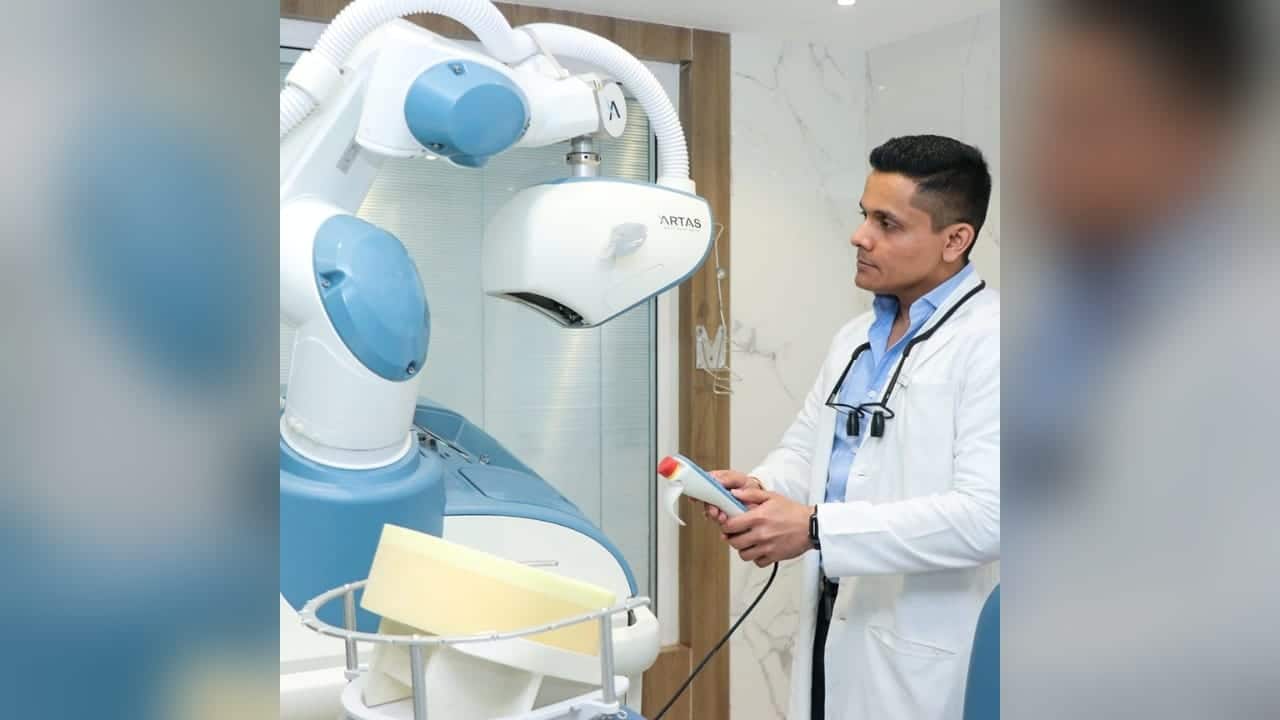
Robotic technology is reshaping hair transplantation in India as clinics adopt advanced tools for better results. Surgeons use systems like ARTAS 9X to map donor sites and extract follicles with high precision. While robots assist with data and extraction, the final medical decisions still stay in the surgeon's hands.
Ranabaali X review: Vijay Deverakonda-Rashmika Mandanna film is worth a watch? Find out here
Hair transplantation in India is now moving into an era where technology plays an increasingly important role. With the advent of technological imaging, analysis, and robotics in hair restoration procedures, patients are starting to view treatment from a new perspective.
The debate is no longer about how many grafts are transplanted or what method is employed for harvesting the hair. The patient is becoming increasingly aware of the accuracy of assessment of the donor site, selection of grafts, planning of treatment and the use of technology to ensure consistency of the treatment process.
Robotic hair transplantation is one of the technologies that have contributed to this change.
Even though the term "robotic hair transplantation" suggests that a robot conducts the entire hair transplantation process, this is not the case at all. Robotic technology helps surgeons in performing various tasks during the hair transplantation procedure. The outcome is a process whereby the technology enables the process and the decision-making aspect lies in the hands of the surgeon.
Hair Transplantation Is Becoming More Data-Led
Hair transplantation not only implies follicle transfer from one part of the body to others which have been influenced by hair loss. The surgeon should think of his patient's pattern of hair loss, donor density, amount of grafts, characteristics of hair, facial structure, expected hair loss in the future and appearance of both donor and recipient sites.
All these factors may affect the procedure. Robotic technologies can assist in gathering information concerning follicular units in the donor site. Imaging techniques will help assess such follicles' features as position, orientation and distribution; robotic assistance can provide controlled extraction according to certain parameters. It can ensure consistent performance of follicular extraction procedures. However, it still acts as an assisting technique. Decisions of performing transplantation, choosing the amount of grafts, preserving the donor site and designing the hair line are still matters of medical practice.
The Role of ARTAS 9X in Robotic Hair Transplantation
Among the many technologies being employed for robot-assisted hair restoration, ARTAS 9X stands out. ARTAS 9X involves using a combination of digital imaging and image-guided robotic technology to aid in follicular unit extraction. The machine makes a map of the donor site and analyses individual follicular units, thereby providing the medical team with accurate information regarding where they are located and at what angle.
The robot technology is used in order to facilitate consistent graft dissection, while at the same time allowing for appropriate distribution of extraction across the donor site. ARTAS 9X is included in the hair transplantation process at the clinic called Musk Clinic in Ahmedabad.
The technology helps the medical team during certain phases of the procedure, while all other decisions are made by the surgeon. This is essential as accurate extraction is but one phase in hair restoration.
How Does Robotic Hair Transplantation Affect the Patient Experience?
The expectations regarding hair transplants have certainly changed significantly. While patients tend to inquire about both the viability of transplanted follicles and whether the outcome will be realistic, how the donor area will be affected after the surgery, the need for possible recovery and whether the process of hair loss in the future has been taken into account in the initial treatment plan.
The role of robotic technology here is that it can help to have more information available during the follicular analysis and the planning of hair transplantations. This means that the importance of robotic hair restoration does not necessarily lie in the fact that there is an advanced technological tool used in the process. The relevance of the robotic system is in the extent to which it helps to integrate into the overall treatment strategy of a person. It can help with precision and consistency, yet the surgeon will still need to know what exactly needs to be done and where.
Why Medical Expertise Remains Central
With more attention being given to robotic hair transplantation in India, it is crucial for patients to appreciate the difference between the use of technology versus making a medical choice. "Robots can provide better precision in some of the phases of the hair transplant procedure, however, technology cannot make decisions about what looks natural for the specific patient," explains Dr. Anand B. Shah, Medical Director at Musk Clinic. "Designing hairlines, handling donors, choosing patients, knowing how their hair loss progresses - all of these require professional medical decisions."
There are no two identical patients going through a hair transplant procedure. The variations in terms of age, hair loss pattern, donor density, follicles structure, facial characteristics and patient's expectations can play a significant role in determining which treatment would suit a particular person. Thus, robotic analysis could be helpful in this process and even execute the procedure, but the strategy itself would still need to be tailored individually.
International Patients Are Also Looking More Closely at Technology
The increased use of modern hair restoration technology is happening in light of the continued attraction of India as a destination for international patients requiring medical treatment. In today's day and age, the international patient has much more information available to him/her when choosing the facility to perform the procedure at.
He/she can assess different surgeons, technologies, approaches, experiences, recovery requirements and clinic facilities from his/her own country before going through with the procedure. Consequently, the selection criterion is not limited to the cost of treatment anymore. Medical expertise, technology, personal approach, planning and other aspects associated with the procedure itself have become increasingly significant factors to consider.
Patients from other countries coming to Musk Clinic in Ahmedabad to get their hair restored will go through the process even before setting foot in India. The remote assessment, planning, scheduling, time needed to recover and other issues will become an important part of the process for them. Some international patients will look into robotic hair transplant technology in India and will take that into account when making the list of clinics they would like to visit. Yet again, technology must be considered in a larger context.
What Should Patients Evaluate Before Choosing Robotic Hair Restoration?
Individuals considering robotic hair transplant in India need to consider a number of issues that relate to the technologies, experience, approach and level of care provided by these clinics. A number of important questions still need to be addressed. The individual should understand who is going to examine them, assess the donor area and perform the hair transplantation procedure, what parts of the procedure will be conducted using robots and why the suggested approach is suitable for this particular case of hair loss.
The patients should know how the treatment plan considers potential future hair loss and if the donor hair is handled from a long-term perspective. When considering foreign patients, there might be a question about the process of pre-treatment consultations, the estimated length of their stay in India, etc. Having realistic expectations is also crucial. The results of hair transplants can differ from one person to another because of the number of donor follicles, hair quality, scalp conditions, amount of hair loss and its future development.
Technology Is Evolving, but Good Hair Restoration Still Starts With Planning
Robotics represents a significant advance within the ongoing development of hair transplantation. Examples include ARTAS 9X and its use of digital imaging, follicular analysis, and robotics to aid in processes previously dominated by time-consuming repetitive manual procedures. Nevertheless, the principles of hair restoration have not changed. Proper patient selection, proper management of the donor site, hairline planning in accordance with natural lines, proper graft handling and positioning, and medical supervision all contribute to the quality of the outcome of hair transplantation.
Robotics represents an additional layer of technology that helps achieve better control, precision, and consistency in certain stages of this procedure. With the development of India's hair restoration industry, attracting both local and international patients, the presence of experienced doctors and the availability of modern technology are expected to become one of the main criteria of choosing the clinic for treatment. Perhaps, the biggest advance may not be represented by the technology itself but rather the change in the approach to hair restoration towards planning, technology-assistance, and personalisation.
Stay informed on all the latest news, real-time breaking news updates, and follow all the important headlines in india news and world news on Zee News.