
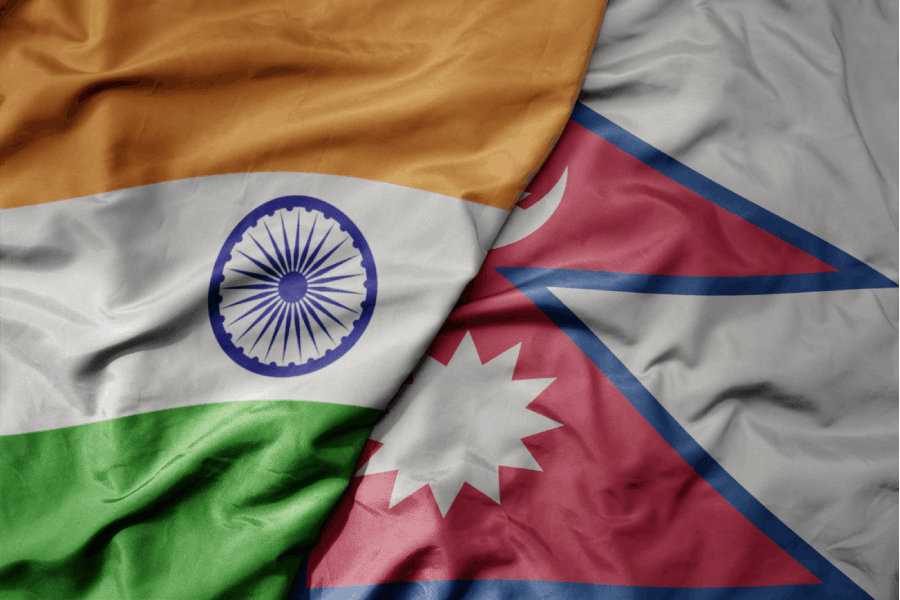
Nepal’s Prime Minister Balendra Shah visited India to improve ties between the two nations. After past tensions, the visit showed a mature approach from New Delhi. Both leaders unveiled new infrastructure projects. This trip proved that neighbours can work together meaningfully even when they do not always agree on everything.
More than a year after a popular, youth-led uprising dramatically changed Nepal's political landscape, the visit to India by the country's prime minister, Balendra Shah, signalled a major step towards New Delhi's efforts at stabilising ties with Kathmandu. Mr Shah, a former rapper who served as Kathmandu's mayor before entering national politics, had long been a critic of India's perceived big-brotherly treatment of Nepal. A leading champion of the protests that unseated the former prime minister, K.P. Sharma Oli, in September 2025, Mr Shah had refused, only a few months ago, to meet India's foreign secretary after previously also putting up a map claiming parts of Indian territory as belonging to Nepal. It would have been easy for India to respond to his provocations with cold distance or, worse, with stern countermeasures of its own. Instead, by firmly yet patiently engaging with Mr Shah and his government, New Delhi has demonstrated a mature understanding of two facts that neither neighbour can ignore. Mr Shah is popular at home, and working with him is New Delhi's best bet at keeping ties with Nepal on an even keel. At the same time, Nepal needs India, and working with New Delhi is the only way Mr Shah can deliver on the development his country desperately needs.
Over the course of his two-day visit, Mr Shah exchanged predictable platitudes with Prime Minister Narendra Modi and the two leaders announced and unveiled a suite of joint initiatives and infrastructure projects. These are important symbols of the deep cultural and people-to-people relations that the two nations share and are indicative of the future that they could build together. After all, their visa-free border remains a template for the integration that South Asia as a whole could have worked towards if all nations in the region were equally committed to peace and prosperity. But more than any announcement, the visit by Mr Shah represents an acknowledgement that neighbours do not need to be perfectly aligned in order to work together meaningfully. They can disagree -- sometimes even publicly -- but accept that they still need each other. The strategic maturity shown by Mr Modi's government in its handling of Mr Shah must serve as a model to pursue with other challenging -- yet essential -- neighbourhood relations, including those with Bangladesh. Ultimately, political affinity between the ruling establishments of two nations will always be fleeting. But geography, history, trade and cultural ties are permanent. As Nepal's example shows, patience pays.