
Union Health Minister JP Nadda opened the HealthWealth Summit 2026 on Thursday, calling for stronger healthcare to meet India’s 2047 goals. He said a healthy population is central to becoming a developed nation. Meanwhile, doctors warned that heart disease now affects many younger Indians, urging early screening to avoid lifestyle diseases.
JP Nadda opened the HealthWealth Summit 2026 with a call to strengthen India's healthcare system. The discussions underscored prevention and early screening as vital to the country's 2047 ambition.
Union Health Minister J P Nadda on Thursday said a healthy population would be central to India's ambition of becoming a developed nation by 2047, setting the tone for the inaugural HealthWealth Summit 2026 with a call to strengthen healthcare infrastructure, the medical workforce, technology and health financing.
Inaugurating the two-day summit, Nadda highlighted the expansion of India's healthcare system and the need to improve access to treatment.
His address set the policy backdrop for a day of discussions featuring leading doctors and wellness experts, who turned the focus to the health risks confronting Indians in their everyday lives - from obesity and premature heart disease to diabetes, fatty liver and childhood vision problems.
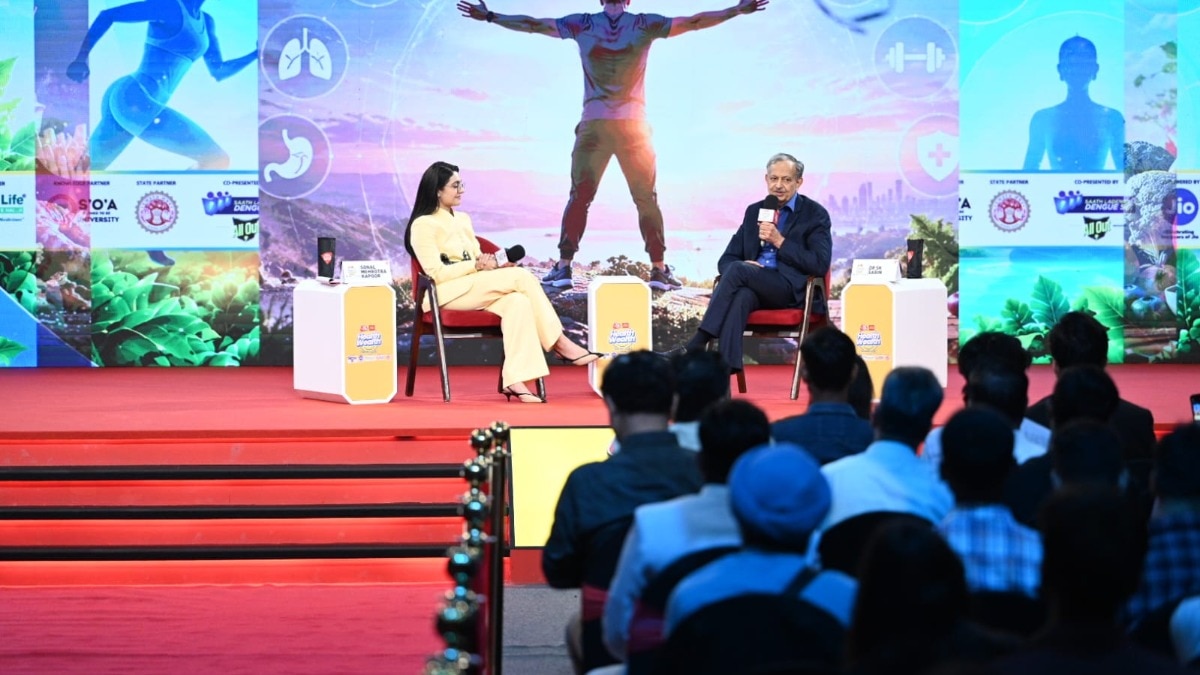
The first edition of the HealthWealth Summit, organised by the India Today Group's health and wellness platform, brought together policymakers, medical specialists and fitness personalities to discuss prevention, treatment and healthier living.
EXPANDING HEALTHCARE
Nadda highlighted the expansion of medical education, saying India now has 23 All India Institutes of Medical Sciences (AIIMS) and 863 medical colleges. He said the government was targeting 75,000 additional undergraduate and postgraduate medical seats by 2029, with 45,000 added over the preceding two years.
The government has also allocated Rs 15,000 crore for 10,000 postgraduate medical seats, he said.
The minister also discussed public health infrastructure, digital health initiatives and affordable medicines, placing healthcare access within the broader ambition of Viksit Bharat 2047.
The challenge, however, extends beyond building institutions: India must also identify disease risks earlier and make prevention a greater part of routine healthcare.
HEART RISKS EMERGE EARLY
That concern came through strongly in a discussion on obesity and cardiovascular disease featuring cardiologist Dr Ashok Seth, chairman of Fortis Escorts Heart Institute, and Dr Anoop Misra, executive chairman and director of Fortis C-DOC.
The doctors warned that heart disease is increasingly affecting younger Indians. Seth highlighted estimates that around half of heart attacks in India occur among people below 50, underscoring the need to recognise risk factors well before symptoms emerge.
The discussion went beyond weight alone, drawing attention to abdominal and visceral fat, which can raise the risk of diabetes and cardiovascular disease even when a person does not appear visibly overweight. The doctors also advocated greater attention to cholesterol levels and family history, with childhood screening potentially helping identify inherited risks.
Misra also flagged the inappropriate use of GLP-1 medicines for weight loss and diabetes, stressing that these drugs need medical supervision and are not suitable for everyone.
FOOD, LIVER AND LIFESTYLE
Liver specialist Dr S K Sarin, director of the Institute of Liver and Biliary Sciences, urged people to prioritise nutritious food rather than rely on supplements to compensate for poor diets. During his session, Zindagi Na Milegi Dobara, he recommended homemade meals, green vegetables and traditional foods such as buttermilk and sattu. He also discussed sugar consumption, coffee and the often-unnoticed risks associated with fatty liver.
Cardiovascular and thoracic surgeon Dr Shriram Nene addressed another everyday concern: whether Indians need to give up rice, roti and dal to manage diabetes. His discussion focused on how food is consumed rather than blaming traditional staples alone.
Eye specialists Dr Sudipto and Dr Carren Pakrasi, meanwhile, highlighted the growing concern over childhood myopia, or short-sightedness. Dr Pakrasi emphasised that screen distance, outdoor exposure and everyday visual habits matter alongside screen time.
Across the sessions, the message was consistent: better health requires more than access to hospitals and medicines. Early screening, sensible food choices, physical activity and informed medical decisions are essential to reducing India's growing burden of lifestyle-related disease.