
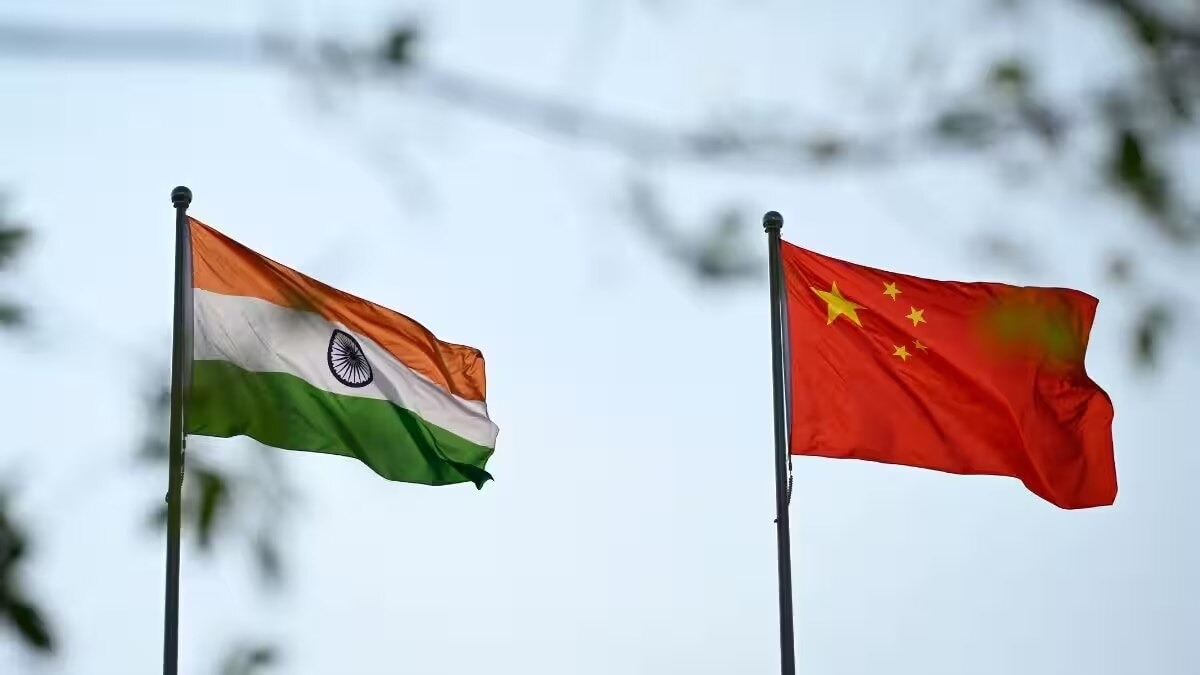
India and China concluded 10 days of military talks to ease tensions along the Arunachal LAC. The discussions, which started on November 8, focused on preventing confrontations before winter. Both sides used these meetings to maintain communication channels and manage troop engagement practices to avoid standoffs in the difficult terrain.
India and China concluded 10 days of military talks on managing tensions along the Arunachal LAC. The discussions focused on preventing confrontations and maintaining communication before harsh winter conditions set in.
India and China have concluded a second round of Corps Commander-level talks aimed at easing tensions along the Line of Actual Control (LAC) in Arunachal Pradesh, with both sides discussing ways to prevent local confrontations from escalating into larger military standoffs ahead of winter.
The discussions, which began on November 8 and continued for nearly 10 days with a brief break in between, were described as cordial, according to defence sources. The Indian delegation was led by Lieutenant General Girish Kalia, General Officer Commanding of the Army's III Corps, also known as the Spear Corps. His Chinese counterpart and other military officers participated in the discussions. An official from the Ministry of External Affairs (MEA) was also present.
The talks covered a broad range of issues concerning troop engagement practices along the frontier, including the need to maintain communication channels and prevent local friction between personnel deployed on either side of the LAC from escalating.
The latest engagement comes at a critical time, with winter approaching in the eastern sector. Severe weather conditions, snowfall and difficult terrain can significantly hamper troop movement, logistics and the maintenance of forward deployments along the frontier.
SECOND ROUND FOLLOWS SEPTEMBER MEETING
The latest discussions follow the first Senior Highest Military Commander-Level Flag Meeting in the eastern sector, held on September 6 at Wacha on the Indian side in Arunachal Pradesh and on September 7 at Damai on the Chinese side.
The meeting marked the extension of the senior military commander-level engagement mechanism to the eastern sector. MEA spokesperson Randhir Jaiswal had confirmed the September meetings, saying they were held pursuant to understandings reached between the Special Representatives of India and China in August 2025 and August 2026, followed by discussions under the Working Mechanism for Consultation and Coordination (WMCC) on India-China Border Affairs in May and August 2026.
The September engagement came amid reports of tensions in the Taksing area of Arunachal Pradesh's Upper Subansiri district, where Indian and Chinese troops had reportedly come face to face.
The Indian delegation at the September meeting was also led by Lieutenant General Girish Kalia. A similar senior military commander-level engagement mechanism already exists in the western sector.
WINTER, TROOP DEPLOYMENT ADD TO SIGNIFICANCE
The latest round assumes significance as both countries continue to maintain substantial troop deployments along the eastern frontier. Establishing clear engagement practices and maintaining communication between military commanders are important to prevent misunderstandings or local confrontations from escalating.
The discussions also come amid broader efforts by New Delhi and Beijing to stabilise bilateral relations. During Prime Minister Narendra Modi's meeting with Chinese President Xi Jinping on the sidelines of the BRICS Summit in New Delhi on September 12, both leaders emphasised that peace and tranquillity in border areas remained essential for the continued development of bilateral ties.
The Prime Minister also stressed the need for both sides to adhere to existing agreements and understandings on border-related issues.
Separately, Union Home Minister Amit Shah reviewed border security and strategic infrastructure in Arunachal Pradesh during a high-level meeting in Itanagar on November 21. The government said the review focused on strengthening security coordination and expanding road connectivity, border outposts, helipads and telecommunications facilities in areas along the China border.
The latest military discussions are part of continued efforts to maintain peace and stability along the LAC. However, details of any specific agreement or outcome from the November talks have not been officially made public.