
Kansas voters on November 3 unseated Republican senator Roger Marshall as rising costs fueled a Democratic wave. Across America, high prices for petrol and diesel pushed voters to change power. Meanwhile, India faces similar pressure, as retail inflation hit 6.09 per cent in October, showing that voters everywhere dislike inflation.
Kansas had not sent a Democrat to the US Senate since 1932. On November 3, it did. Adam Hamilton, a Methodist pastor, unseated the incumbent Republican senator Roger Marshall. Incredibly, voters were not enamoured of the Democratic Party, giving Congressional Democrats less than 40 per cent favorability ratings, with 56 per cent unfavourable. Why then did the voters create such a huge blue wave that swept Donald Trump's Republicans from power in the Senate and the House?
Hamilton provides the answer. Much of his campaign was about prices: He blamed tariffs and the war in Iran for the rising cost of living, and voters in one of America's most reliably Republican states agreed with him. Across the country, about nine in 10 told Associated Press pollsters that the cost of living was a crucial or major factor in their vote. Petrol cost more than $4 a gallon (Rs 98 a litre). Diesel, which moves the trucks that carry America's food and goods, cost more than $6 a gallon (Rs 147 a litre), about $2.50 more than a year earlier. Inflation had climbed to 3.4 per cent.
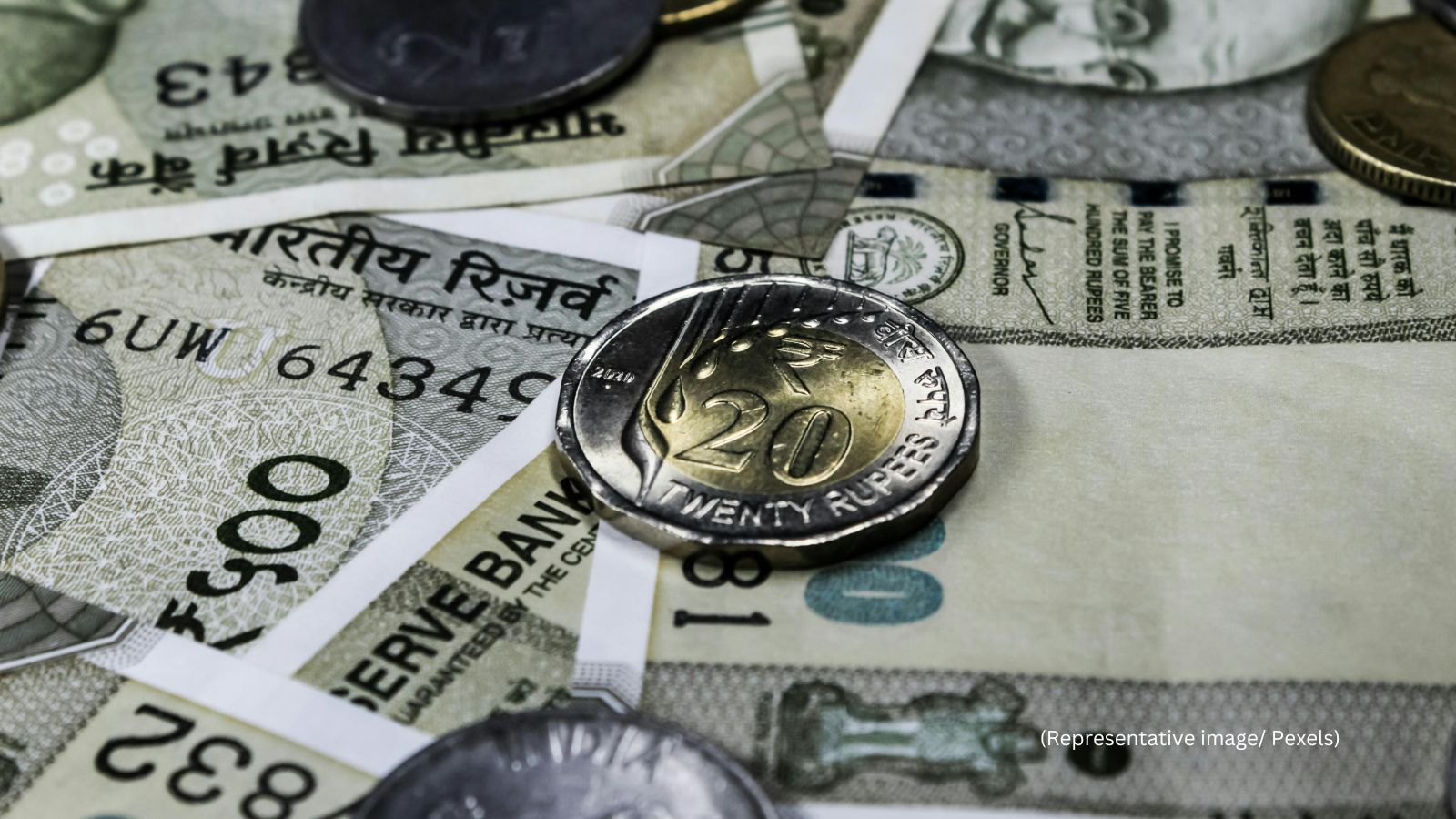
The cost of living crisis is not unique to Americans. Nine days after the US mid-term results, India's Ministry of Statistics and Programme Implementation (MoSPI) reported that retail inflation had reached 6.09 per cent in October, above the RBI's upper limit for the first time in two years. Food price inflation was 8.94 per cent. In villages, it was over 9 per cent. Onions cost 116 per cent more than a year ago. With three years to the next general election, the Modi government feels no such pressure, though complacency will carry a cost.
America is not an outlier. In Japan last year, the price of rice doubled, and the Liberal Democratic Party lost its majority in both houses for the first time in its history. The UK's Conservative Party, which had won an 80-seat majority five years earlier, was cut to 121 seats in 2024, its worst result ever, by voters who had watched prices outrun their pay.
Indian voters are not indifferent either. Before the 2024 Lok Sabha election, the CSDS-Lokniti survey found that jobs and prices were the two issues that mattered most. Seventy-one per cent said prices had risen. In 2019, barely one in six had named these issues. The BJP lost its majority. Voters had sent a message. Two years on, the government behaves as if nothing happened in 2024.
Nobody can argue that things have improved since. Inflation has been rising for a while, with wholesale inflation reaching 12.29 per cent in October, the highest in the current series. Complicating matters, the government itself admits that wages and salaries are stagnant in India, and for quite a while now. On November 19, at FICCI's centenary convention, the Prime Minister reminded industry that he had cut corporate tax and income tax, and asked: "Did you increase the salaries of your employees? Did you increase the number of employees?" Of course, the Prime Minister knows the answer.
I have written before in these pages that incomes have stalled. Working with the Labour Bureau's own data, the economists Arindam Das and Jean Drèze found that real rural wages grew at close to zero per cent a year in the 10 years to 2023-24. The latest labour survey brings the story up to date. A male casual labourer earned Rs 456 a day in 2024. In 2025, he earned Rs 455. After a year of backbreaking work, he ended it a rupee poorer. And higher prices hit him.
India has much more reason to worry than rich countries, not less. Americans spend about 13 per cent of their budgets on food. The poorest tenth of British households spend 16 per cent. The average rural Indian household spends 47 per cent, according to MoSPI's own consumption survey, and the average urban household 40 per cent. An American paid about Rs 98 for a litre of petrol last month. A scooter-owner in Delhi pays Rs 102, on a fraction of the American's income. A rise in prices that irritates a Kansan voter enough to give up a century-long habit of voting for Republicans is mirrored in Bihar by a family that must decide how little to eat this week.
This is pushing Indian families to borrow more for consumption. The RBI's Financial Stability Report says non-housing retail loans make up 58.4 per cent of household borrowing, and that gold loans, growing 42.4 per cent a year since March 2024, are now the largest category of such loans. Pawning family heirlooms to finance consumption is hardly a sign of prosperity.
The government's response has been to change the subject. In 2022, Parliament lost two weeks before the government half-heartedly agreed to debate prices, and the Finance Minister then dismissed the discussion as "more on political aspects than data-driven concerns." A proper parliamentary debate might help, but India's income-inflation problem requires new thinking. The problem is the model. After a decade of what we are told is the fastest growth among large economies, 57 per cent of Indians are still judged by their own government to need free grain to get by
What is the plan for the majority of Indians? No country becomes great while most of its people face rising prices on stagnant incomes, and while millions of young people cannot find work. India needs a growth model that pays wages, not one that hands out grain to make up for the wages it does not pay.