
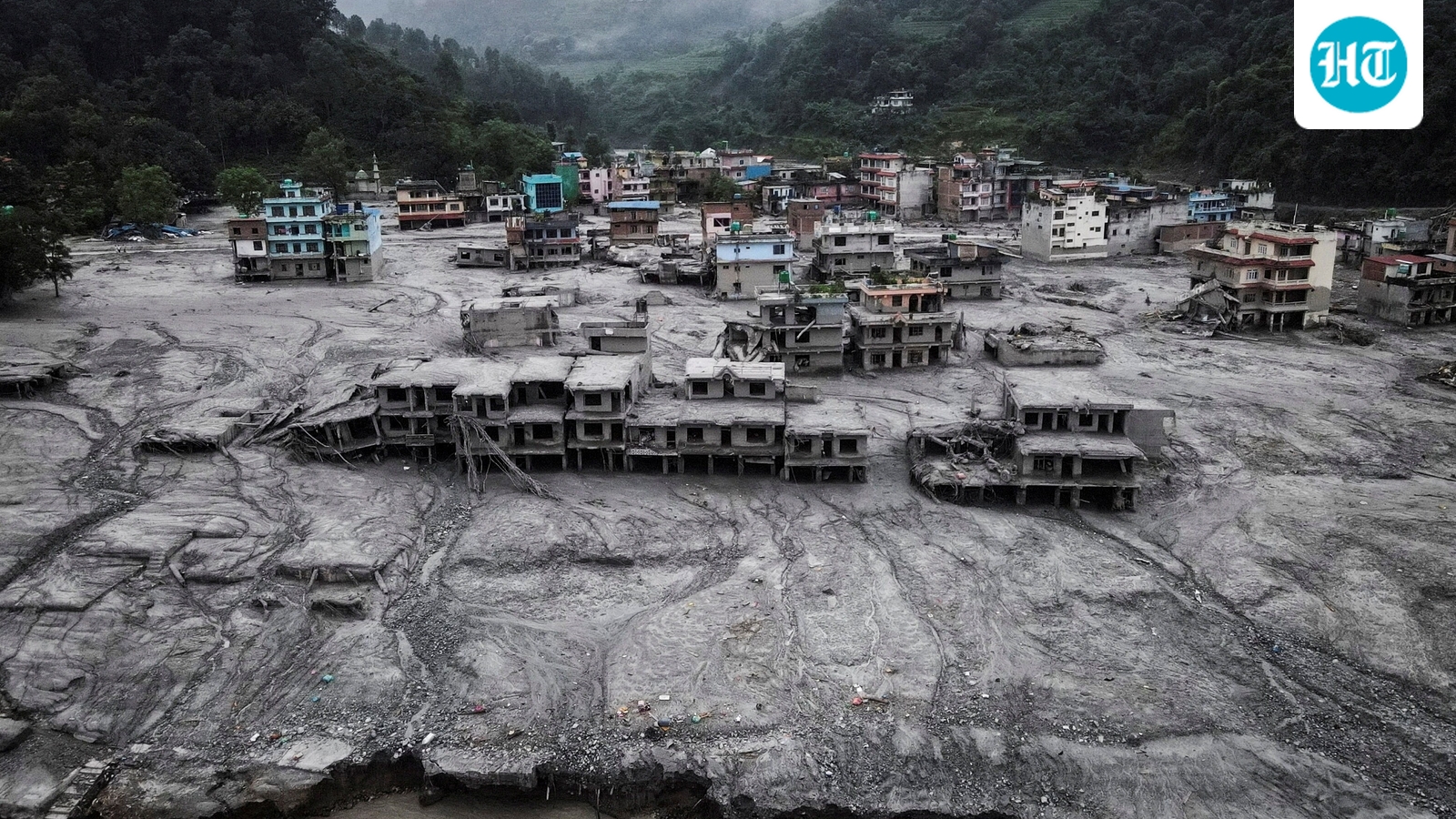
The UN’s Loss and Damage Fund set aside $21.6 million for Nepal on Thursday to help with the Bhote Koshi disaster. Harjeet Singh said, “Setting money aside is not the same as delivering it.” This marks the first time the fund allocated money to a country for climate-related emergency support.
The Board for the Fund for Responding to Loss and Damage (FRLD) met at an “extraordinary meeting” on Thursday to address a formal climate-emergency funding request from Nepal for $20 million over a four-year period.
This accounts for only around 0.7% of the costs estimated to be incurred by Nepal during the disaster. However, it is the first time money has been allocated to or set aside for a country since the fund's creation and marks a pivotal point in developing countries' efforts to access climate finance for disasters.
The Loss and Damage Fund was set up to provide financial assistance to developing countries that are especially vulnerable to the adverse effects of climate change – helping them cope with unavoidable economic and non-economic losses
Experts said Nepal will still have to formally apply for this funding, and the Board will consider the request at its next meeting in December. This is the maximum amount that can currently be requested for a single project.
The funding is expected to cover about 0.7% of the costs of the August Nepal floods, which preliminary estimates suggest could be around US$2.56 billion. The co-chairs received a communication from the Government of Nepal via its senior signatory national focal point on August 31.
Within the communication, Nepal requested that the Board “take a special decision to respond rapidly, directly and effectively in accordance with its Governing Instrument”.
As of March 15 this year, the Loss and Damage Fund had received $822.06 million in pledges from 27 countries, with total grant contributions currently standing at $ 629.70 million.
The largest contributors include the UAE ($100 million); Germany ($98.4 million); France ($ 53.07 million); the United Kingdom ($ 52.15 million); Spain ($ 44.01 million); and Australia ($ 34.11 million).
Harjeet Singh, Global Convenor, Fill the Fund campaign and Founding Director, Satat Sampada Climate Foundation, said Thursday marked a historic day in responding to Nepal.
“No country should have to endure a catastrophe and wait seven weeks, through historic letters and relentless pressure, just to unlock the Fund’s first-ever emergency meeting. We must set up a permanent rapid-response system that moves support in days, not months,” he said.
“However, setting money aside is not the same as delivering it. At just 0.7% of estimated losses, this support exposes the enormous gap between climate impacts and available finance. The priority must now be rapid disbursement, with transparent safeguards that enable rather than delay assistance. We need a permanent emergency window, simpler access procedures and predictable contributions from wealthy countries,” he said, stating recovery support should reach affected families, restore essential services and protect livelihoods without adding to national debt.
“Ahead of COP31, the test is delivery- whether this decision becomes a reliable system that responds to vulnerable communities at the speed and scale their losses demand, rather than another symbolic financial commitment,” he added.