
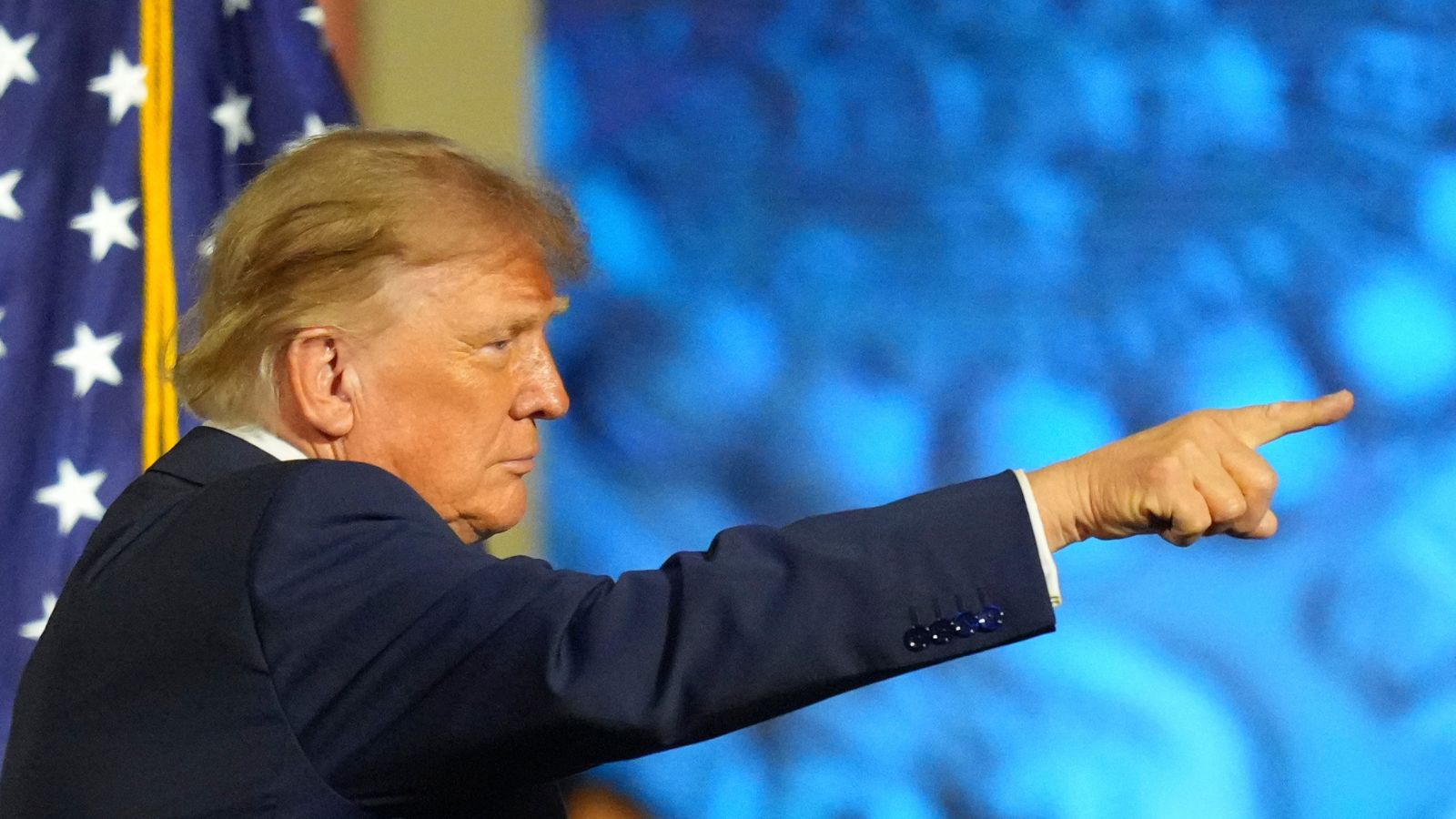
The US midterm elections on November 3 will set political constraints on President Donald Trump. For India, the result could change how New Delhi negotiates trade and immigration. While a Democratic House might slow restrictive visa rules, the executive branch still holds power over key policies that affect Indian professionals.
The US midterm elections on November 3, in which Democrats are heavy favourites to win the House, will do more than reconstitute Congress. They will set political constraints on President Donald Trump for the rest of his term across trade, immigration, and foreign policy. For India, which has felt each of these pressures directly, the question is whether a change in congressional control will ease a relationship that has turned transactional, or only alter the terms on which New Delhi negotiates.
The relationship is caught between two realities. Trade talks have stalled, Washington is pressuring India over Russian oil, and immigration restrictions weigh on Indian professionals and firms. Yet tech and defence collaboration continue, even as energy emerges as a new area of cooperation, suggesting the strategic foundations are stronger than publicly visible.
Secretary of State Marco Rubio's October visit to Mumbai and Jamnagar indicated US priorities. Soon after, Rubio teased the possibility of Reliance Industries exploring potential oil production in Venezuela. He also said a trade deal was 'very, very close', weeks after Finance Minister Nirmala Sitharaman said talks had plateaued. The channels that matter, the executive, the energy market, and the boardroom, sit largely beyond Congress, which should guide India's expectations from November.
The most immediate economic question is the future of the bilateral trade agreement. The February 2026 framework for an interim agreement on tariff adjustments, market access, and economic security cooperation remains to be finalised. A Republican-controlled Congress would let Trump pursue his trade agenda, including pressuring India toward terms that favour the US.
A Democratic House would put tariffs under sharper scrutiny, but would not reverse them. Congress can investigate, legislate and influence funding, but its capacity to change a specific tariff depends on the legal instrument used. Moreover, courts, rather than Congress, have so far proven to be the effective check.
Recent changes to rules governing H-1B visas, employment-based green cards, and the cost of employing foreign workers directly affect Indian technology companies and professionals. These firms operate through the movement of skilled workers, the delivery of services and increasingly complex cross-border technology partnerships. Restrictions that raise deployment costs or make work authorisation less predictable undermine the foundations of the bilateral economic relationship.
A Democratic-controlled House could slow down restrictive immigration measures. But a change in congressional control would not reverse executive actions. Immigration reform would require agreement on legislation and, in places, action by the administration.
Both countries expressed interest in strengthening semiconductor supply chains, expanding AI infrastructure, developing defence-industrial links and improving maritime security. The February trade framework envisaged greater trade in technology products, including GPUs and data-centre equipment, alongside cooperation on export controls and supply-chain resilience.
While a Republican-controlled Congress will provide continuity in technology cooperation, this is an area that has the support of the Democrats as well, given the frameworks stem from Biden-era initiatives.
However, neither outcome guarantees India easier access to sensitive American technology. Export licences, national-security assessments and funding decisions will continue to shape what India can acquire and produce. It will have to negotiate to access advanced chips, defence technologies or manufacturing capabilities by demonstrating the value of its participation in American supply-chain and security priorities.
Washington has linked tariff relief to India's willingness to reduce its Russian oil purchases. India, meanwhile, views these through the requirements of energy security and flexibility. The dispute reflects a broader disagreement over how far India should adjust its external relations to accommodate American priorities.
Republican control could give Trump greater political room to sustain pressure on New Delhi. Democratic gains could increase congressional scrutiny of Russia policy and sanctions, but would not necessarily lead to a more accommodating approach to India.
Washington's engagement with Pakistan remains sensitive for New Delhi. A change in congressional control could prompt greater scrutiny of US policy toward South Asia, including Field Marshal Asim Munir's personal relationship with the White House. However, that is unlikely to ensure that Washington adopts India's regional priorities. A Democratic Congress could also be more vocal on human rights and democratic governance, creating additional political friction.
you may like
These issues influence the political climate in which trade and technology agreements are negotiated. The risk is that disagreements in one area increasingly spill over into others, making it harder for both governments to compartmentalise their differences.
New Delhi's US policy must prioritise deeper institutional engagement with Congress and the agencies that shape trade, immigration, export controls, and defence cooperation. Strategic autonomy has little value if it cannot be translated into negotiating leverage. For India, the objective must be to secure arrangements that remain useful even when Washington's political priorities change.
The writer is Director, Geopolitics and Policy at Koan Advisory Group, a Delhi-based consultancy firm