
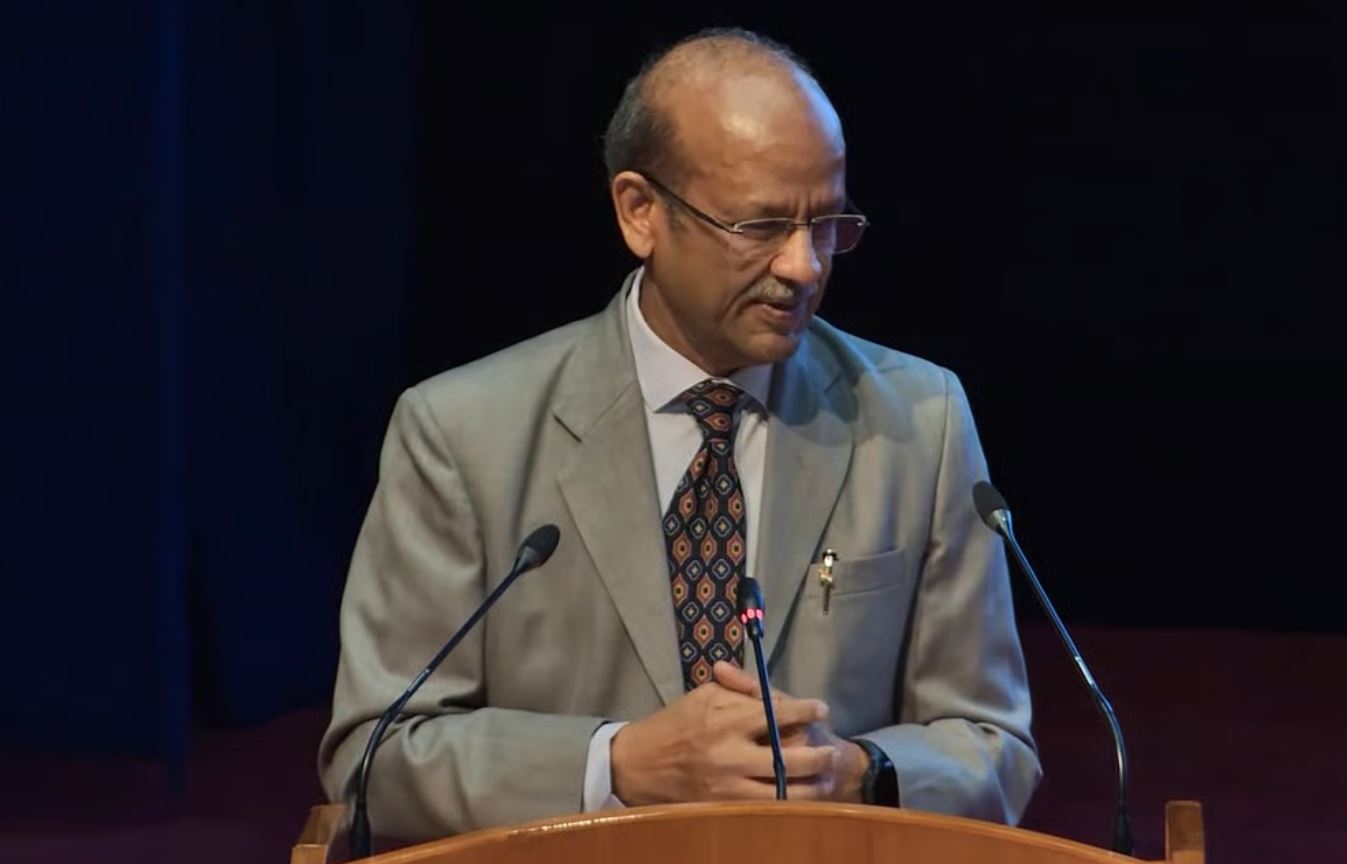
Former Supreme Court judge Justice Rajesh Bindal got appointed as the new chairperson of the National Company Law Appellate Tribunal. He confirmed his appointment on Thursday. The post fell vacant after Justice Ashok Bhushan finished his tenure on July 4, 2026. Justice Bindal retired from the Supreme Court in April 2026.
Former Supreme Court judge Justice Rajesh Bindal has been appointed chairperson of the National Company Law Appellate Tribunal (NCLAT), months after the post fell vacant following the completion of the tenure of Justice Ashok Bhushan.
Justice Bindal confirmed his appointment to legal news portal Bar and Bench on Thursday. He retired from the Supreme Court on April 15, 2026, after serving as a judge of the apex court for over three years. He was elevated to the Supreme Court on February 13, 2023, after serving as the Chief Justice of the Allahabad High Court.
Justice Bhushan completed his tenure as NCLAT chairperson on July 4, 2026. Following his retirement, Justice Yogesh Khanna, a judicial member of the appellate tribunal, took over as officiating chairperson from July 5. The Centre subsequently extended his tenure in October.
Justice Bindal's appointment comes at a significant time for the country's tribunal system, with the Supreme Court recently raising concerns over the functioning and institutional autonomy of tribunals, including the National Company Law Tribunal (NCLT) and NCLAT.
The apex court had recently questioned the Ministry of Corporate Affairs' control over tribunals and emphasised the need to ensure greater autonomy for their leadership, particularly in matters relating to appointments.
The NCLAT is the appellate authority that hears appeals against orders passed by the National Company Law Tribunal (NCLT), as well as matters under the Insolvency and Bankruptcy Code and the Competition Act.
Justice Bindal's appointment places an experienced former apex court judge at the helm of the tribunal, which plays a crucial role in resolving corporate insolvency, restructuring and competition-related disputes.