
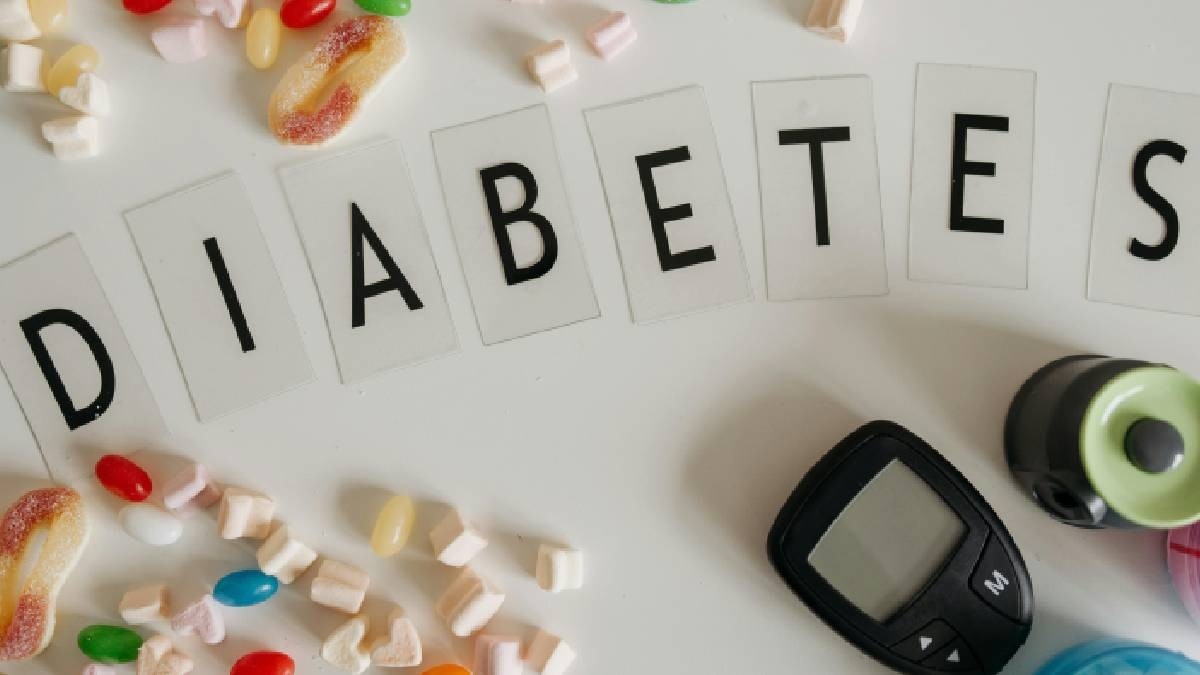
AIIMS director Dr Nikhil Tandon said only 7.7 per cent of Indians with diabetes met all key control targets. He suggested a simple health mantra for people above 25: "Eat food, not too much, mainly plants." He added that staying active and choosing plant-based meals helps manage rising health challenges.
AIIMS, Delhi director and leading endocrinologist Dr Nikhil Tandon said only 7.7 per cent met all key diabetes control targets. The findings highlight gaps in diagnosis, treatment and sustained disease management.
Good health does not necessarily require complicated diets, expensive supplements or extreme fitness routines. Sometimes, the advice is as simple as eating sensible portions, choosing more plant-based foods, sleeping well and staying physically active.
That is the health mantra offered by Dr Nikhil Tandon, leading endocrinologist, diabetologist and director of the All India Institute of Medical Sciences (AIIMS), New Delhi, when asked what advice he would give Indians above the age of 25.
Quoting a famous scientist, he summed it up: "Eat food, not too much, mainly plants."
The advice may sound simple, but it comes against the backdrop of a growing health challenge in India, particularly diabetes. And the problem is not just the number of people living with the condition, but how few manage to keep it under control.
Data from the landmark Indian Council of Medical Research (ICMR)-INDIAB study, which covered more than one lakh people across the country, shows that just 7.7 per cent of Indians with diabetes met all three control targets for blood glucose, blood pressure and cholesterol, Dr Tandon said in an interview with India Today Digital.
More than 10 crore Indians live with diabetes, while another 13.6 crore have pre-diabetes, putting them at risk of developing the condition. What worries him most, he said, is the sustained rise in these numbers over the years.
THE RULE OF HALVES
The ICMR-INDIAB finding, he said, mirrors what doctors call the "rule of halves." Roughly half of those with a chronic, symptom-free condition such as diabetes or hypertension do not know they have it.
Of those who do, only half are on treatment, and of those treated, half or fewer meet their control targets. That leaves roughly one in eight with their condition under control.
Unlike an acute infection, where pain or fever sends people to a doctor, silent diseases need different strategies at each stage: diagnosis, starting treatment and sustaining control, Dr Tandon said.
The government's non-communicable disease programme recommends screening everyone above 30 for diabetes and hypertension, among other conditions, with free or heavily subsidised medicines available.
India is also a signatory to the World Health Organisation's (WHO) 2030 targets: 80 per cent of people with diabetes should be aware of their condition, 80 per cent should have HbA1c (a measure of blood glucose) below 8 per cent, 70 per cent should have their blood pressure under control and 60 per cent should be on statins, a class of medicines used to lower cholesterol.
Patients with type 1 diabetes, an autoimmune condition, should all have access to insulin and monitoring equipment, Dr Tandon said.
But he stressed that responsibility cannot be passed on entirely to the healthcare system. It is also up to patients to take charge of their health. Those who are diagnosed but do not start treatment despite the availability of free medicines cannot blame the system alone.
SLIM, YET AT RISK
One reason India's diabetes challenge is particularly concerning is that Indians tend to develop the condition at lower body weights than Caucasians, a pattern that diabetologists have long highlighted.
Dr Tandon said this is well established. At the same body mass index (BMI), South Asians can carry two to three times more body fat, with a greater proportion of it concentrated around the abdomen, where it poses a higher metabolic risk.
"We look the same," he said, but South Asians tend to have less muscle and more fat.
The precise reasons for this difference are not fully understood. But the practical message, he said, is that BMI-related risk is a continuum. Any increase, even within what is considered the normal range, raises the risk, while reducing weight can help.
"Even if you lose five kilos, you'll be far better off," he said.
YOUNGER PATIENTS, LONGER EXPOSURE
Another concern is the changing age profile of diabetes. A condition once largely associated with later life is increasingly being diagnosed in younger people.
This means more years of exposure to high blood sugar and, consequently, a greater risk of developing complications. It also adds to the long-term burden on patients and the healthcare system.
Dr Tandon also pointed to gestational diabetes, which develops during pregnancy. Women who develop it face pregnancy-related risks, while evidence increasingly shows that both mothers and their babies have a higher future risk of diabetes and several other cardiometabolic diseases.
NO SHORTCUT TO DIABETES REMISSION
With growing interest in diabetes "reversal" and newer GLP-1-based drugs such as semaglutide and tirzepatide, Dr Tandon urged caution in how these treatments are understood.
Studies from Newcastle in the UK have shown that very low-calorie diets, of around 800 calories a day, can help some overweight people with diabetes come off medication. But he said "cure" is not an appropriate word.
Remission is possible with sustained dietary changes and physical activity, but the discipline has to continue.
GLP-1-based drugs, which he also uses in his clinical practice, work well, he said, but are an additional tool rather than a replacement for diet and exercise. They should be taken under medical supervision and in accordance with the drug regulator's eligibility norms.