
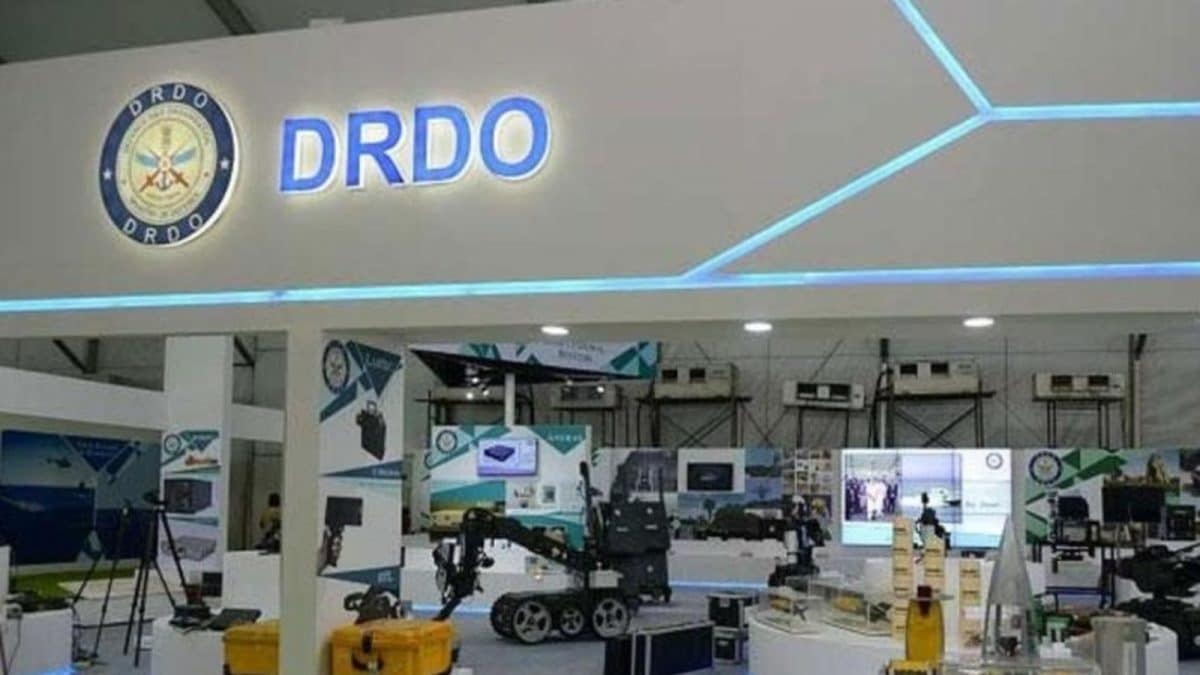
The Defence Research and Development Organisation showcased indigenous semiconductor technologies at the Emerging Science, Technology and Innovation Conclave 2026 in New Delhi from October 27 to 29. These chips and sensors, including MMICs and infrared arrays, are used in advanced radar, electronic warfare equipment, and tactical missile systems for India.
The technologies were displayed during the Emerging Science, Technology and Innovation Conclave (ESTIC) 2026, held at Bharat Mandapam in New Delhi from October 27 to 29.
The Defence Research and Development Organisation (DRDO) has showcased a range of indigenously developed semiconductor technologies used in strategic defence applications, including advanced radar systems, electronic warfare equipment and tactical missiles.
The technologies were displayed during the Emerging Science, Technology and Innovation Conclave (ESTIC) 2026, held at Bharat Mandapam in New Delhi from October 27 to 29. DRDO also led a thematic session focused on semiconductors and next-generation chips.
Among the technologies presented were Monolithic Microwave Integrated Circuits (MMICs) and Infrared Focal Plane Arrays (IRFPAs), developed by DRDO’s Solid State Physics Laboratory in Delhi.
The organisation displayed MMICs based on Gallium Arsenide (GaAs) and Gallium Nitride (GaN), along with Multi-Chip Modules. These technologies have been used in several strategic missions and form important components of advanced radar and electronic warfare systems.
MMICs are specialised integrated circuits designed to operate at microwave frequencies. They are used in systems that transmit, receive and process high-frequency signals. Their applications include radar equipment and electronic warfare systems, where reliable signal processing and performance are critical.
Gallium Nitride and Gallium Arsenide are semiconductor materials used in high-frequency and high-power applications. They offer characteristics that make them suitable for specialised defence electronics, including radar and communication systems.
DRDO also displayed infrared focal plane arrays, which serve as sensing components in tactical missile systems. These arrays help missiles detect and track targets during the final stage of flight using Imaging Infrared seekers.
The exhibits covered several infrared technology categories, including Short-Wave Infrared, Mid-Wave Infrared and Long-Wave Infrared. These technologies are used in systems that detect and interpret infrared radiation, allowing equipment to identify and track objects based on their heat signatures.
The showcase is significant because advanced semiconductor components are essential to modern defence systems. Radar, electronic warfare equipment and infrared missile seekers depend on specialised chips and sensors that must operate reliably under demanding conditions.
DRDO also displayed other technologies at the event, including scramjet engine technology, neuromorphic accelerators, advanced communication systems, Quantum Random Number Generators, Photonic Integrated Circuits and laser proximity sensors.
The exhibition highlighted the organisation’s work across several areas of strategic technology. It also underlined the importance of developing domestic capabilities in semiconductor design and specialised electronic components for defence applications.
India’s push to strengthen its semiconductor ecosystem has largely focused on building manufacturing capacity and reducing dependence on imported chips. DRDO’s work represents another part of this effort, focusing on specialised technologies required for national security and strategic systems.