
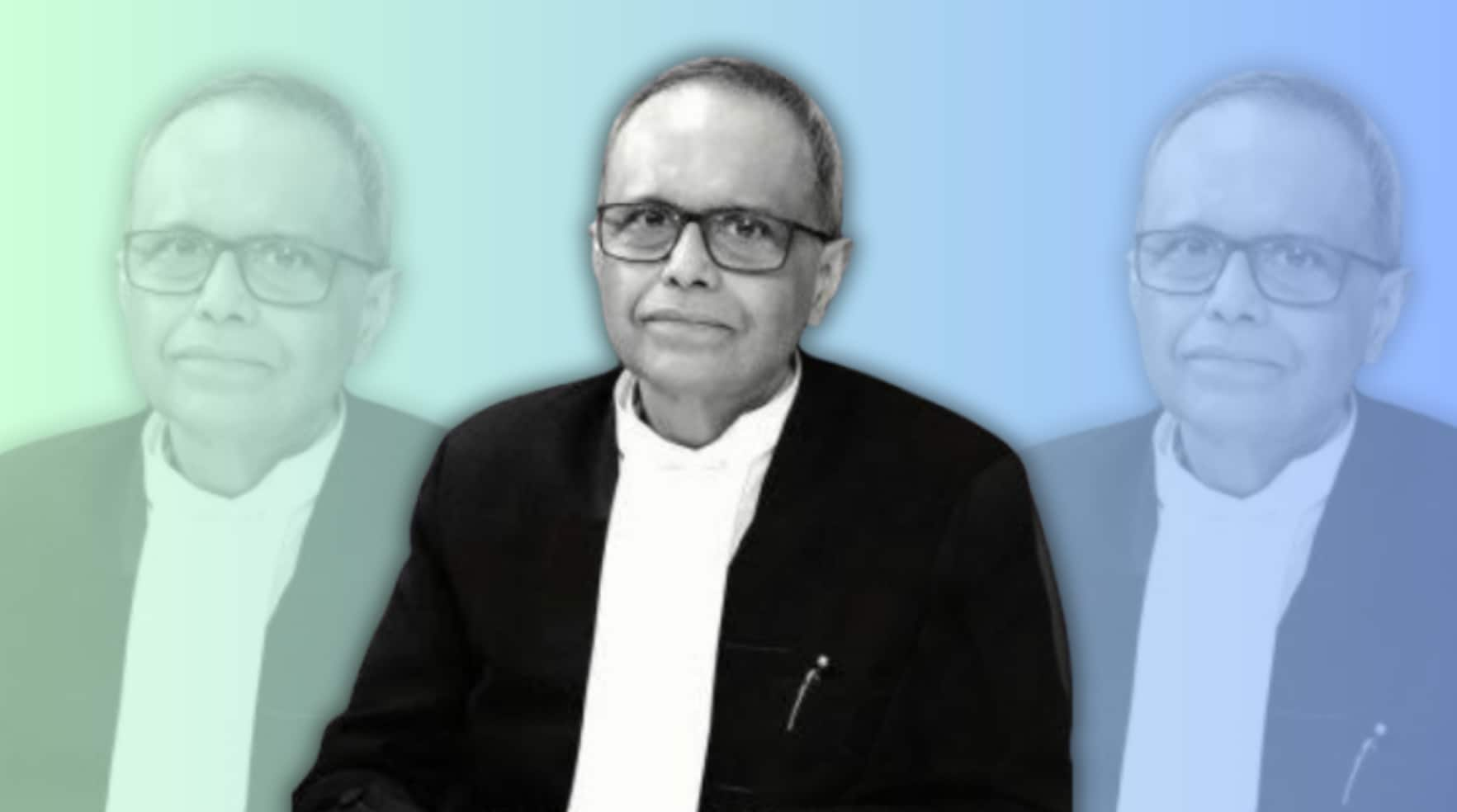
Supreme Court Justice Joymalya Bagchi proposed setting up 24/7 AI courts to handle mutual consent divorce cases. Speaking on Saturday, November 21, he said, "We should, in my understanding, hive off the mutual divorce cases and have 24/7 AI divorce courts." This move aims to reduce the massive judicial pendency.
Market Mastery
Webinar by Vishal Malkan
Find the weak links
in your portfolio by Vishal Malkan
Supreme Court Justice Joymalya Bagchi has proposed setting up dedicated, 24/7 artificial intelligence (AI) courts to handle mutual consent divorce cases, saying technology should take over routine judicial functions to ease the burden on human judges and improve access to justice.
"We should, in my understanding, hive off the mutual divorce cases and have 24/7 AI divorce courts," Justice Bagchi said, arguing that valuable judicial resources should not be spent on exercises that do not require substantive adjudication, as reported by Bar and Bench.
Speaking at the Just Tech National Conclave organised by Dharmashastra National Law University in Jabalpur on Saturday, November 21, he also proposed using AI to generate predictive verdicts in cheque dishonour proceedings, land acquisition disputes and commercial cases involving recovery of money. These assessments could be placed before judges before arguments begin, providing a starting point for hearings.
Highlighting the scale of judicial pendency, Justice Bagchi said more than five crore cases are pending across the country and that significant technological intervention is necessary to ensure speedy and efficient justice.
He also recommended deploying AI to process applications seeking early hearings in the Supreme Court and High Courts. Such decisions could be based on parameters including case pendency, expected disposal timelines, the age of litigants and whether the cases involve women.
Justice Bagchi said routine judicial functions should be taken away from human intervention wherever possible. These could include procedural directions for filing affidavits, granting extensions and preparing cases for hearings.
However, he cautioned against allowing AI to take over constitutional adjudication, emphasising that human judicial reasoning and creativity must remain central to interpreting the Constitution.
Referring to landmark judgments such as Kesavananda Bharati, Maneka Gandhi and Marbury v. Madison, he said constitutional jurisprudence depends on judicial creativity that cannot be delegated to artificial intelligence.
"So the human agency must be preserved as the most precious virtue and the tool of adjudication," he said.