
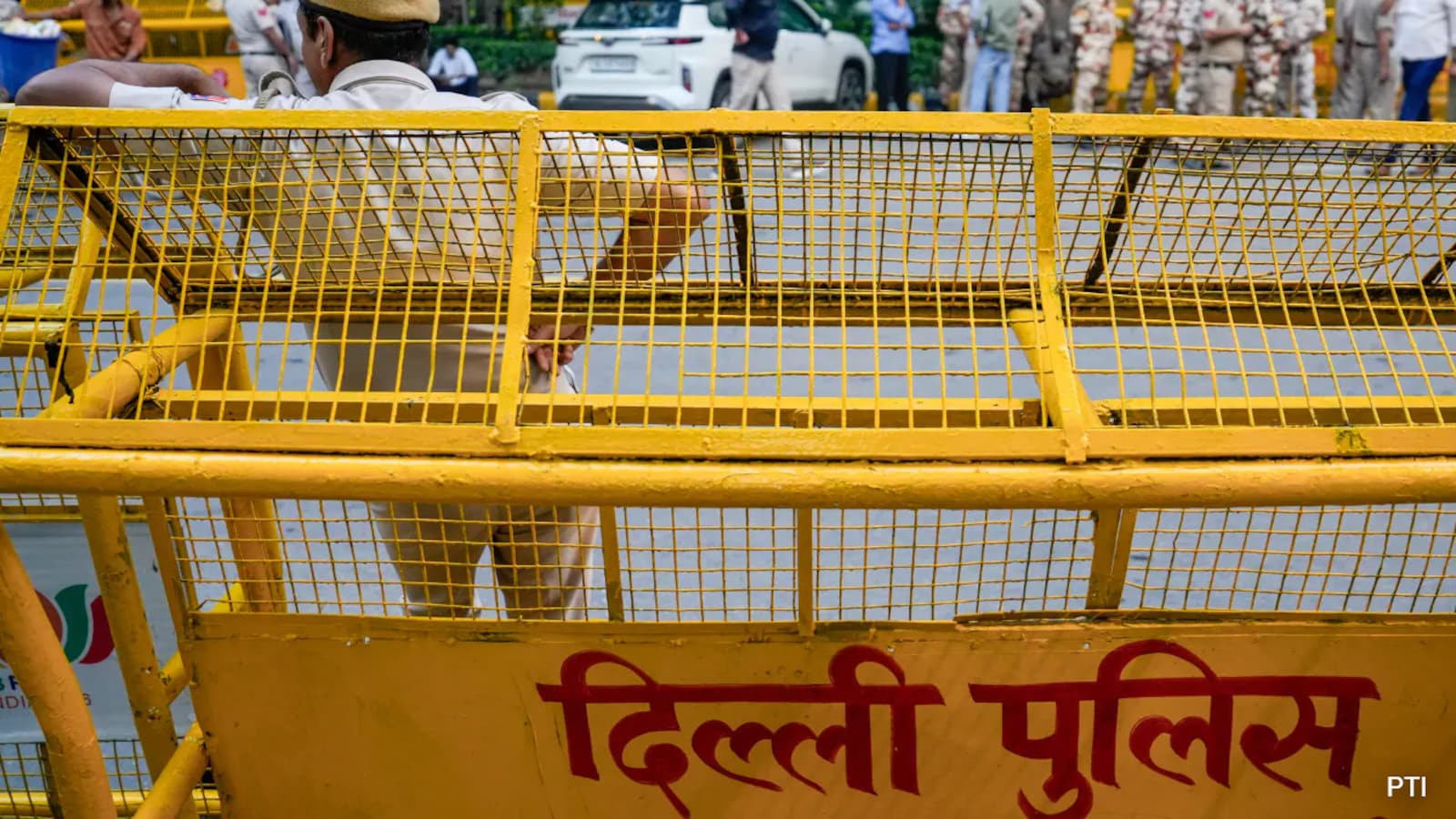
Delhi Police told the Supreme Court that social media influencers and reel-makers cannot automatically claim the same protections as professional journalists. The police filed this affidavit after allegations of harassment during protests against CEC Gyanesh Kumar. They argued that content creators often make it hard to identify real reporters.
The police pointed to instances in which people carrying cameras and microphones allegedly identified themselves as journalists while participating in protests and raising slogans.
Delhi Police filed the affidavit in response to petition in Supreme Court.
Can someone who makes Instagram reels, interviews people on the street and uploads videos on YouTube claim the same protections as a journalist working for a newspaper or television channel? The question has come into focus after Delhi Police told the Supreme Court that social media influencers and reel-makers cannot automatically claim the protections extended to journalists covering protests. The affidavit was filed in response to petitions alleging manhandling and harassment of journalists who came to cover the protests against Chief Election Commissioner (CEC) Gyanesh Kumar in Delhi.
In the affidavit, Delhi Police argued that professional journalists constitute a distinct category from individuals who carry cameras and microphones to create content, including for commercial purposes. The police said the question of whether such content creators could be elevated to the status of journalists or reporters was yet to be determined.
The police also defended its actions during the October protests and denied allegations that journalists were obstructed or prevented from reporting on the protests. It claimed that journalists from mainstream, national, international and regional media organisations, including those without official accreditation, were able to record the events.
The affidavit also said that the protests received wide coverage across international, national and regional media platforms. Delhi Police cited CCTV footage and police videography of the protest sites to support its claim that the media had access to the events.
Delhi Police Says Reel-Makers Cannot Claim Blanket Protection
The police said several people carrying cameras and microphones at the protest sites were not journalists but YouTube content creators and reel-makers. Their presence, it argued, made it difficult for personnel to distinguish journalists from protesters, particularly given the size and density of the gatherings.
The affidavit claimed that some individuals falsely identified themselves as journalists. It cited a video of a woman carrying a press card and a microphone identification, who described herself as a student and journalist but later admitted that she was "not a journalist yet".
The police said the woman was questioned why she was carrying a press card despite not being a journalist.
The affidavit referred to another video in which a person at the protest site alleged that some YouTubers and media personnel were deliberately confronting police officers while trying to create content.
Delhi Police maintained that even reel-makers and content creators were not obstructed, except where intervention was necessary to maintain public order. People carrying cameras were repeatedly asked to keep a reasonable distance from operational areas and places where police personnel were managing the situation.
Police Deny Deliberately Obstructing Journalists
Delhi Police said there was no deliberate or coordinated attempt to prevent journalists from performing their professional duties. It maintained that its action was aimed only at dispersing protesters from illegal protest sites and restoring public order.
The affidavit said that wherever individuals were apprehended because of mistaken identity, they were released immediately after their identities were verified. It added that any confusion or interference, if it occurred, was inadvertent and resulted either from mistaken identity or crowd-control measures.
The police also said no action was taken merely for not having press accreditation or an identity card.
According to the affidavit, restrictions at the protest sites stemmed from prohibitory orders and lawful police directions issued to maintain public order. These directions, it said, applied uniformly to everyone present, regardless of whether they identified themselves as journalists.
The police has also submitted two Instagram video recordings in support of its arguments.
Got a follow‑up question on this article? Go on
How may i help you today
Show full article
Track Latest News Live on NDTV.com and get news updates from India and around the world