
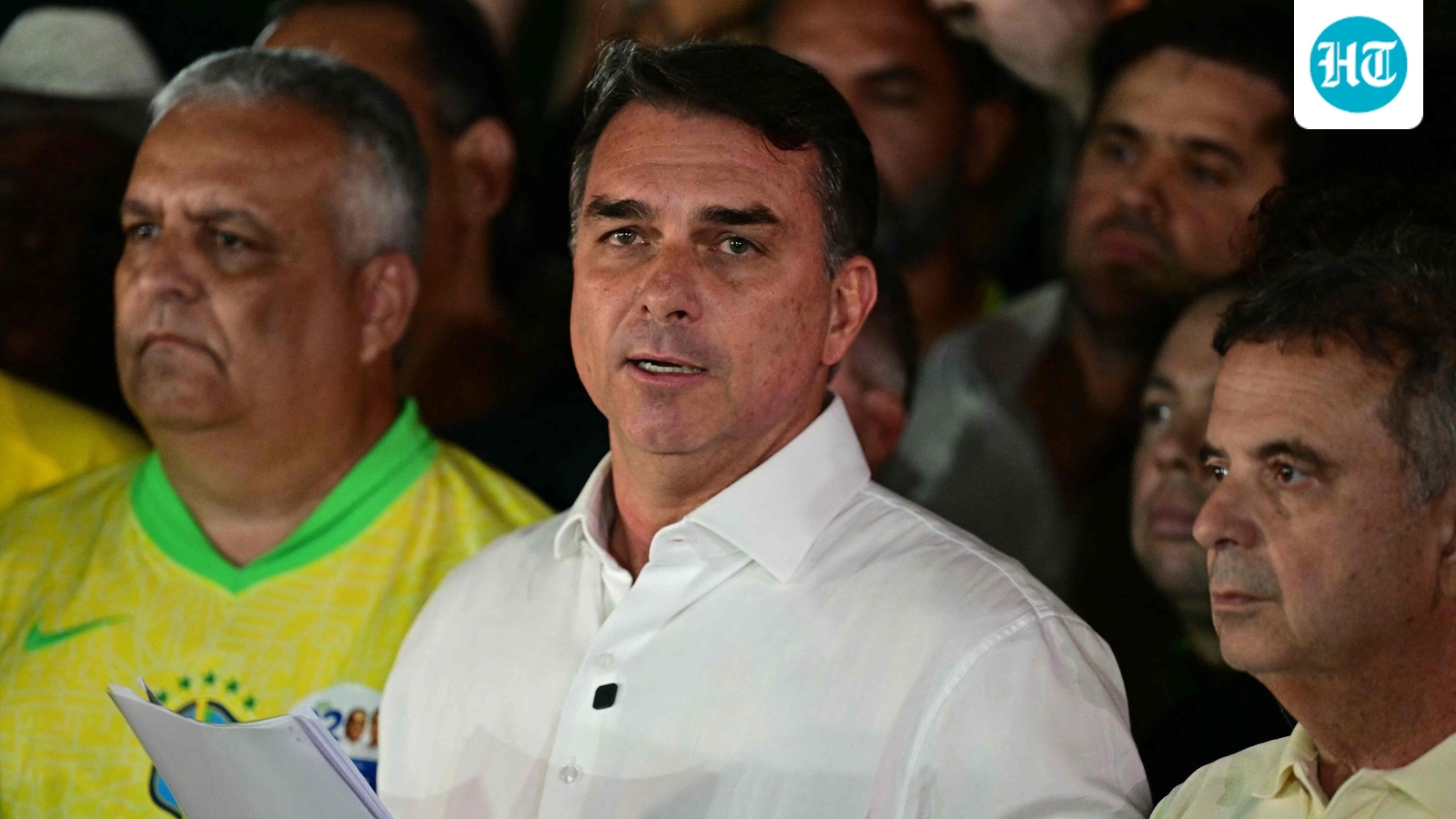
Flavio Bolsonaro refused to accept Luiz Inacio Lula da Silva’s victory on Sunday and seeks to annul the election results. He called the extended voting hours a dirty trick. Lula secured 51.8% of the vote, marking a comeback. “It is impossible to recognise the results,” said Flavio in Brasília.
Brazilian presidential candidate Flavio Bolsonaro on Sunday refused to accept President Luiz Inacio Lula da Silva's victory in the country's presidential election, saying he would seek to annul the results over a controversial extension of voting hours.
“It is impossible to recognise the results. I am going to request the annulment of these elections,” Flávio Bolsonaro said in a brief speech in Brasília, describing the decision to extend voting hours as “unacceptable” and a “dirty trick”, according to AFP.
Lula secured an unprecedented fourth presidential term, winning 51.8% of the vote against 48.2% for Bolsonaro, according to official results. The margin amounted to nearly 4.4 million votes.
The election was marked by confusion after a Brazilian Supreme Court ruling extended voting by two hours beyond the scheduled closing time. The decision came following requests from both candidates over disruptions affecting voters in different parts of the country.
Lula had sought an extension after reporting that buses used to transport voters had been withdrawn from service in several cities, potentially preventing people from reaching polling stations. Flavio Bolsonaro also requested an extension in some regions because of heavy rainfall.
However, the defeated candidate criticised the final decision, citing it as grounds to challenge the election outcome.
Lula stages comeback after first-round setback
Lula's victory marked a dramatic comeback after Flávio Bolsonaro finished ahead of him in the first round of voting earlier this month. The result also defied a political trend in Latin America, where several countries have shifted towards conservative leadership.
After the first-round defeat, Lula's campaign intensified its outreach, organising rallies, appealing to younger voters and stepping up its social media strategy. The abstention rate fell from 21% in the first round to 19% in the runoff.
Lula, who turns 81 on Tuesday, thanked voters for participating in the election and said the campaign had highlighted the importance of democracy.
“People went to vote because we managed to convince them that voting was very important for ensuring democracy in the country,” he said in his first comments after the victory, according to AFP.
The outcome represents a setback for the political movement built by former president Jair Bolsonaro, Flávio's father, who is serving a 27-year prison sentence for attempting a coup following his defeat to Lula in the 2022 election.
Brazil faces political uncertainty
The election exposed deep divisions in Brazil, with nearly half of voters backing Flávio Bolsonaro amid concerns over the cost of living, crime and the country's economic outlook.
Flávio Bolsonaro, 45, sought to present himself as a more moderate alternative to his father while appealing to conservative voters and those seeking political change.
Lula, meanwhile, faces the challenge of governing a deeply polarised country while addressing economic concerns, including household debt and pressure on public finances. His administration will also have to contend with a Congress dominated by the right.
Lula's campaign placed considerable emphasis on national sovereignty, particularly amid trade and diplomatic tensions with US President Donald Trump.
“This country will not accept being anyone's backyard,” Lula said on Sunday, underscoring his pledge to maintain Brazil's independence in international affairs.