
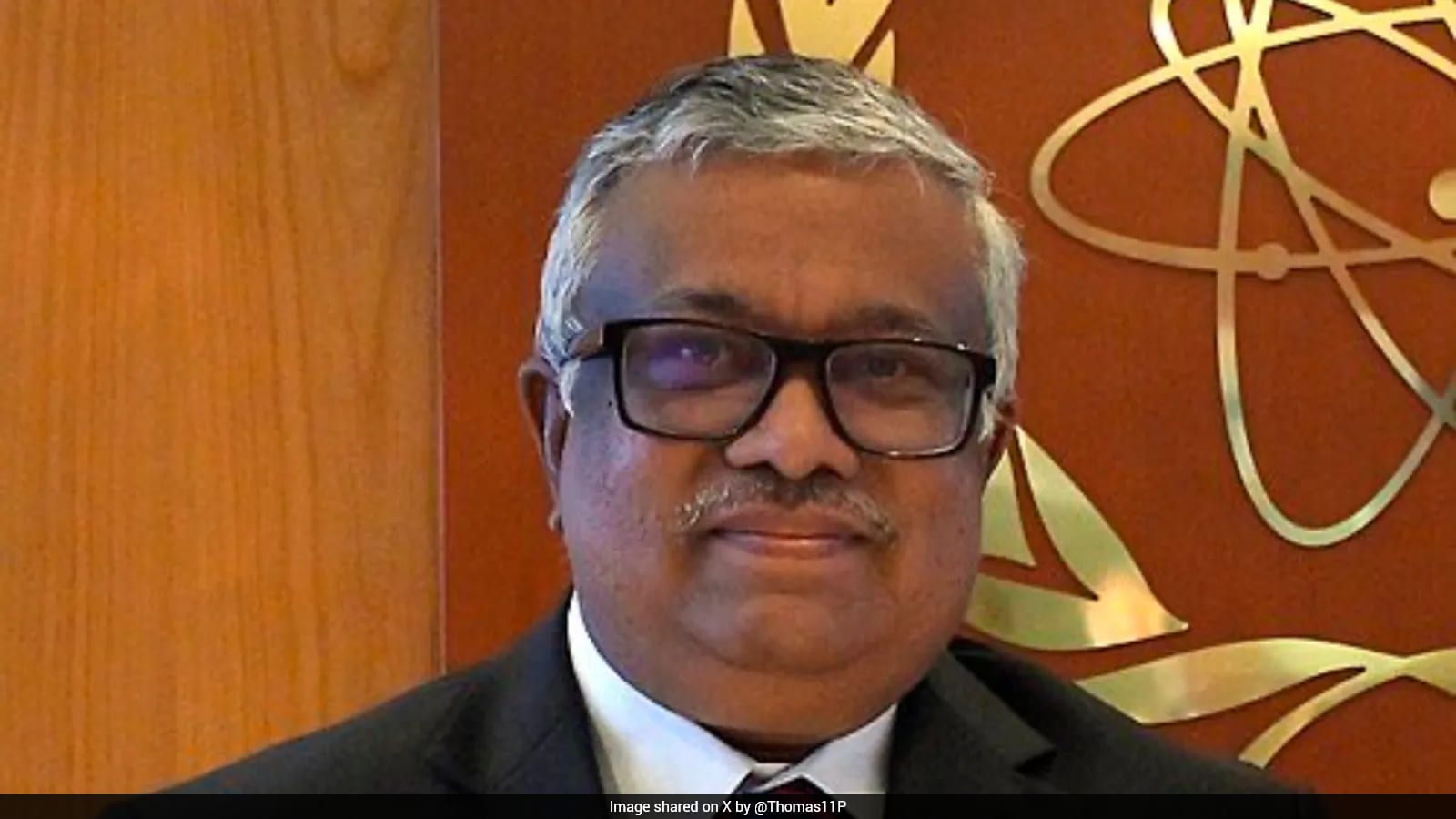
Bangladesh Foreign Secretary Asad Alam Siam will take charge as High Commissioner to India on November 16. He replaces Riaz Hamidullah after India cleared his paperwork in September. Siam faces a busy term, as he must manage key diplomatic ties and ensure the crucial Ganga Water Sharing Treaty gets renewed.
Siam will also have to ensure that the crucial Ganga Water Sharing Treaty is renewed
New Delhi:
Bangladesh's current Foreign Secretary, Asad Alam Siam, is set to take charge as the country's High Commissioner to India on November 16. The job is considered Bangladesh's most important diplomatic assignment, and Siam's move to New Delhi as envoy is happening at a time when several critical bilateral issues are under discussion.
In September this year, India cleared the paperwork for Siam to take over from Riaz Hamidullah, who has now taken charge as the Permanent Representative of Bangladesh to the UN in Geneva and Ambassador to Switzerland.
In diplomatic procedure, an "agrement" is necessary for an incoming ambassador or high commissioner. Before a proposed ambassador is formally appointed, the sending state must usually request the agrement, or prior consent, of the receiving state according to the terms of Article 4 of the Vienna Convention on Diplomatic Relations.
A copy of Siam's "agrement" (an official approval by India) was handed over to Bangladesh in September, NDTV has learnt.
In his role as the Bangladesh High Commissioner, Siam will be planning and tackling the optics and the issues around the proposed visit of Prime Minister Tarique Rahman to India. Since Rahman took office, he has visited Malaysia and China, and he also travelled to New York in September to attend the 81st session of the United Nations General Assembly. He is currently on a state visit to Japan.
Siam will also have to ensure that the crucial Ganga Water Sharing Treaty is renewed, as it remains one of the most contentious bilateral issues given Bangladesh's plans to construct the Padma Barrage further downstream in the river.
The water-sharing treaty currently allocates water flowing through the river during the dry seasons. The 30-year treaty, signed on December 12, 1996, is set to expire in December 2026, making its renewal a critical bilateral and domestic issue in Bangladesh and a diplomatic issue between India and Bangladesh.
Backchannel talks between India and Bangladesh have continued despite several hiccups over the presence of former Prime Minister Sheikh Hasina in India, but trade and business ties have shown improvement, with India supplying the first set of modern coaches to Bangladesh Railway this week and Indian firm Larsen and Toubro securing a major design and build order for two key system packages of Dhaka Metro in Bangladesh. The company classifies contracts valued above Rs 5,000 crore as major orders.
Earlier this month, India's High Commissioner to Bangladesh, Dinesh Trivedi, made a quick visit to New Delhi and held meetings in the national capital on the state of ties. Trivedi also briefed Prime Minister Narendra Modi on the state of the relationship. Several top-level officials have also conducted hushed visits in the last few months.
Got a follow‑up question on this article? Go on
How may i help you today
Show full article
Track Latest News Live on NDTV.com and get news updates from India and around the world