
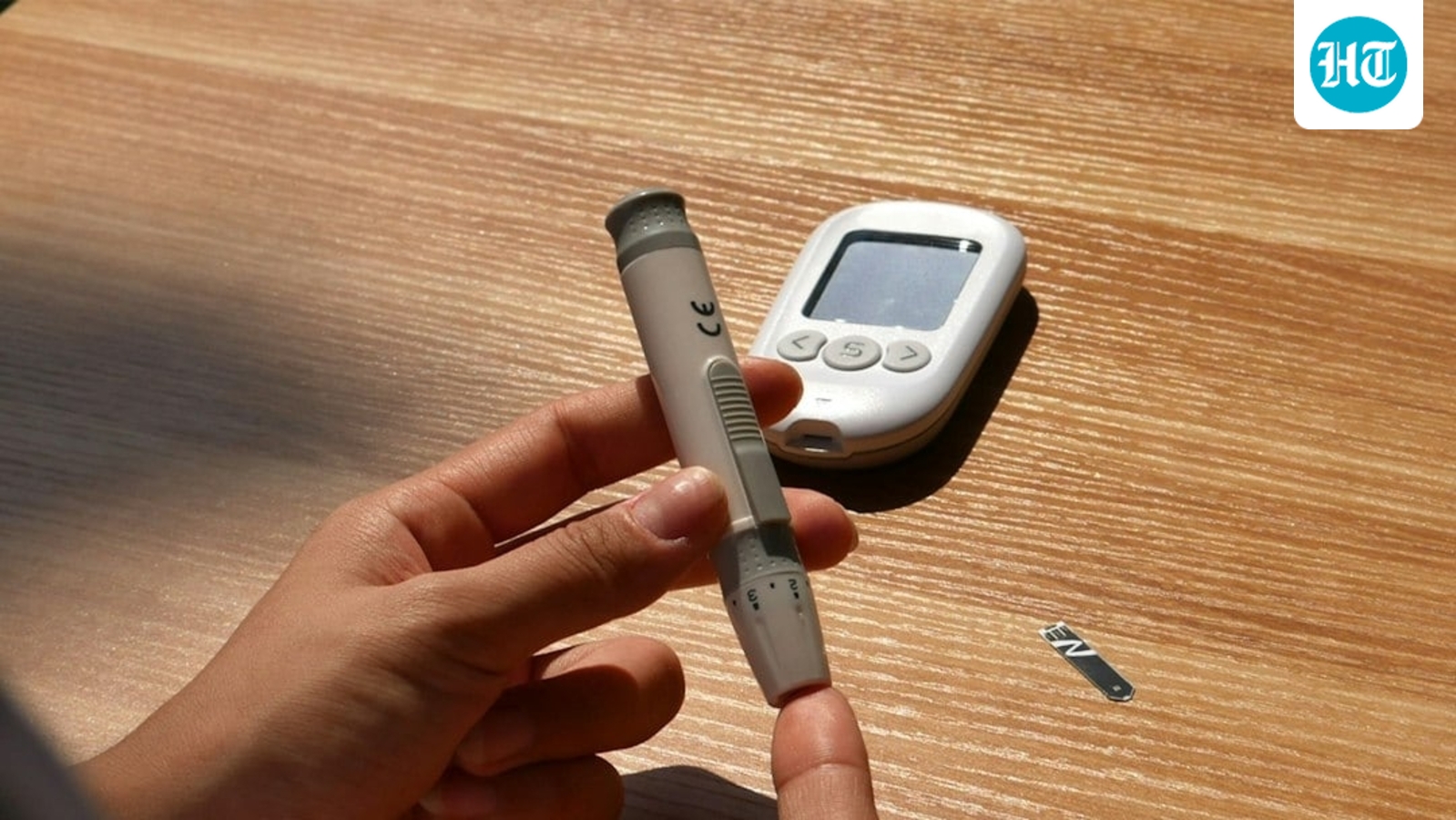
A new survey shows 38.6 million adults in India have undiagnosed diabetes. Many people underestimate their personal risk and struggle to access testing services. Experts said, "India cannot close a diagnosis gap of this size by waiting for people to come forward." Fear of results remains a major barrier today.
An estimated 38.6 million adults in India are living with undiagnosed diabetes, accounting for 43% of the 89.8 million adults living with the condition, according to a new survey commissioned by the International Diabetes Federation (IDF).
The survey also said that an analysis of adults at increased risk of type 2 diabetes in India found that many underestimate their risk of the condition and are unsure how to access testing services.
According to the National Institute of Health (NIH), type 2 diabetes - the most common form of the disease - occurs when the level of glucose, or sugar, in the blood is too high. Type 2 diabetes can develop at any age, including in childhood, but it most often occurs in middle-aged and older people. The symptoms often develop slowly - over the course of several years - and can be mild enough for one to not even take note.
The research, released ahead of World Diabetes Day on November 14, surveyed 502 adults in India as part of a six-country study. It flags a clear gap between people's belief in the value of testing and their perception of their personal risk.
While 84% agreed that a diabetes risk check is worthwhile even when they feel healthy, only 14% believed they were likely to develop type 2 diabetes, despite nearly every respondent reporting at least two known risk factors.
Three in four respondents (75%) wrongly believed that people with pre-diabetes, where blood glucose levels are higher than normal but not high enough for a type 2 diabetes diagnosis, usually have noticeable symptoms - the highest misconception from all six countries.
Nearly half (48%) said they would not feel confident arranging a diabetes risk check. Fear of what the results might show was the most commonly cited barrier to getting checked (35%), followed by not believing they were at risk (25%) and difficulty getting a clinic appointment (22%). Practical and emotional barriers sit side by side: 18% cited embarrassment about discussing a check with a clinician and 12%, language or communication difficulties.
"India cannot close a diagnosis gap of this size by waiting for people to come forward. For many people at risk, a check means facing their fear of the result and, for some, an uncomfortable conversation with a doctor. We need to make getting checked feel ordinary, through community campaigns, local pharmacies, evening and weekend clinics and information in people's own languages, so that a diagnosis becomes the start of care rather than something to dread," said Dr Banshi Saboo, chair of the IDF South-East Asia Region.
The online survey was conducted by Global Health Strategies from late June to late July this year in India, Brazil, Kenya, Saudi Arabia, Spain and the US, all with known type 2 diabetes risk factors and no diagnosis. The India sample comprised 502 adults aged 25 to 64.
The IDF's diagnosis scorecard for India, based on the IDF Diabetes Atlas 11th edition, showed that 57% of adults with diabetes in the country have been diagnosed, against the World Health Organization's global target of 80% by 2030. Reaching that level would require around 20.7 million additional diagnoses, equivalent to roughly 13,700 every day until the end of 2030.
Diabetes-related health spending in India reached $9.8 billion in 2024, with a large share going toward treating serious complications such as heart attack, stroke, kidney failure, vision loss and lower-limb amputation. A diabetes check costs a fraction of that.
"A quarter of a billion people worldwide are living with diabetes without knowing it. Our research shows that people at risk know diabetes is a problem. They just don't believe it applies to them. Awareness of diabetes is not the same as awareness of your own risk. We cannot close the diagnosis gap if the people most in need of testing don't know their own risk factors," said professor Peter Schwarz, IDF president.