
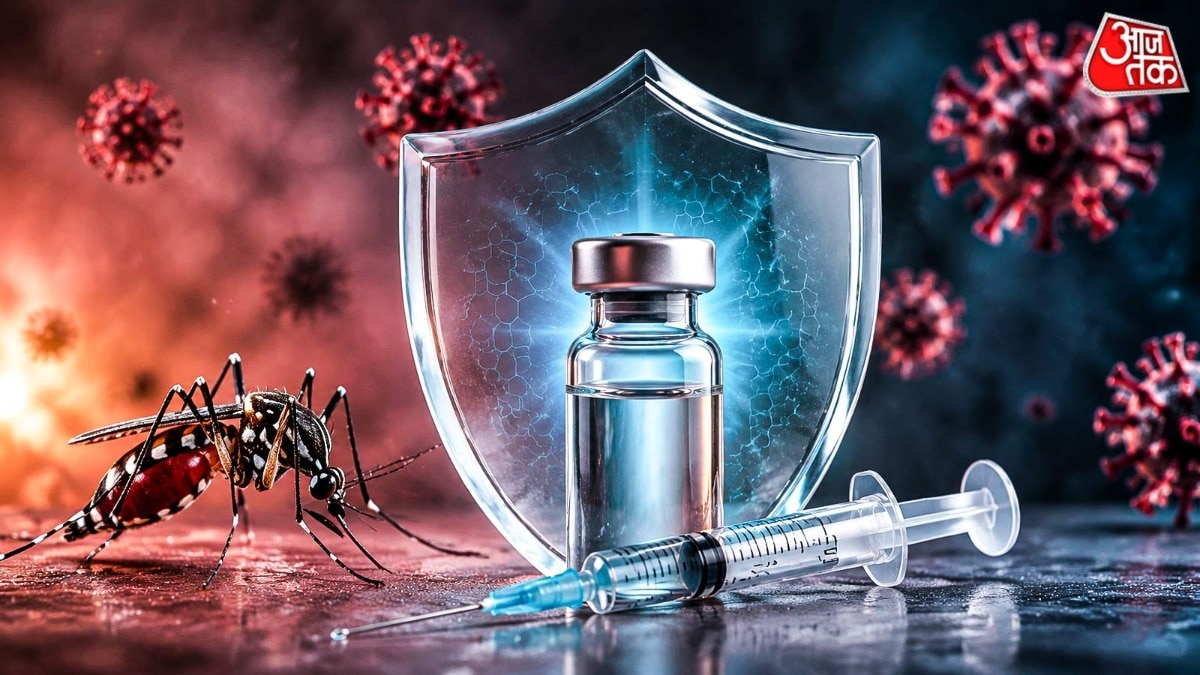
ജപ്പാനിലെ ടാകെഡ കമ്പനിയുടെ ക്യുഡെങ്ക വാക്സിൻ 2027-ൽ ഇന്ത്യയിലെത്തും. ഡെങ്കിപ്പനിക്കെതിരായ വലിയ പ്രതീക്ഷയാണിതെങ്കിലും, വാക്സിൻ നൽകുന്ന പ്രതിരോധശേഷിയുടെ കാലാവധി, വിവിധ വൈറസ് വകഭേദങ്ങളെ നേരിടാനുള്ള ശേഷി, പാർശ്വഫലങ്ങൾ എന്നിവയിൽ വിദഗ്ധർ ആശങ്ക പ്രകടിപ്പിക്കുന്നു. വാക്സിൻ വിപണിയിലെത്തുന്നതിന് മുൻപ് കൂടുതൽ പഠനങ്ങൾ വേണമെന്നാണ് ആവശ്യം.
Takeda and Dr Reddy's plan to launch Qdenga in India's private market in 2027. Clinicians want closer scrutiny of its durability, serotype coverage and immunity risks.
India's first dengue vaccine, Japanese pharma major Takeda's Qdenga, is expected to reach the private market in the first half of 2027, offering a new tool against a disease that infects millions worldwide and causes recurring outbreaks across the country.
Clinicians, however, urge caution.
Some of them cite unanswered questions about protection against different strains, how long immunity lasts and the risk of severe disease in later infections.
The Central Drugs Standard Control Organisation (CDSCO) authorised Qdenga in July for people aged four to 60. Takeda will launch it in India with Dr Reddy's Laboratories.
Until now, no widely available vaccine existed for protection against dengue - the world's fastest-growing mosquito-borne disease.
A World Health ORGnisation surveillance system recorded 14.1 million cases worldwide in 2024, the highest ever reported, and cases appeared in more than 100 countries. India is part of that picture.
Here, reported cases rose from 44,585 in 2020 to 1,93,245 in 2021, and 2024 saw 233,519 cases and 297 deaths. Cases fell to 1,13,440 and 94 deaths through November 2025, the lowest since 2021, but official counts understate the real burden.
One Indian study estimated actual cases at 282 times the number reported, and dengue is now a year-round problem rather than a seasonal one. Against this background, the promise of a vaccine offers hope.
But some clinicians insist that the evidence on the vaccine needs closer scrutiny before wide adoption.
Leading paediatrician Dr Sanjeev Bagai shared his concerns, which include the virus's evolution, differences in circulating strains across India and antibody-dependent enhancement (ADE), in which the immune response from an earlier infection can make a later one more severe.
India Today has reached out to Takeda for its response around the concerns. This copy will be updated if and when a response is received.
A COMPLEX VIRUS
Dengue spreads mainly through the bite of infected Aedes aegypti mosquitoes and has four serotypes, DENV-1 to DENV-4. Infection with one does not guarantee protection against the others, so people can contract dengue more than once. A first infection may be mild or unnoticed, but a later infection with a different serotype raises the risk of severe disease in some people. This is a central challenge for any vaccine.
India's burden is further complicated by multiple serotypes circulating across regions. Dr Bagai says dominant strains vary by region and change over time.
"One cannot predict which strain, in which part of India, will be predominant at a particular time of the year," he says. He also points to coinfections with more than one serotype and genetic changes in the virus, which make it hard to judge how well a vaccine will protect people nationwide.
Qdenga is tetravalent, designed to target all four serotypes, but it is built on a weakened DENV-2 backbone into which the genes for the other serotypes' surface proteins are inserted.
Dr Bagai questions whether this gives balanced protection where circulating strains differ. The vaccine does contain components for all four serotypes, however. It does not target DENV-2 alone.
QUESTIONS OVER PROTECTION
Dr Bagai's first concern is durability.
Trial results are encouraging: Qdenga protected against virologically confirmed dengue and reduced dengue-related hospitalisations, though protection varies by serotype and by whether a person had been exposed before.
A longer-term analysis of the pivotal trial, published by the manufacturer, reported efficacy of 61.2% against confirmed dengue and 84.1% against hospitalisation 4.5 years after vaccination.
That is meaningful protection, but it does not stop every infection.
Dr Bagai wants closer scrutiny of how protection changes in later years, especially for individual serotypes.
"The problem is that people look at the top-line vaccine efficacy figures without examining what happens to protection over three or four years," he says. He also questions whether trial data adequately represent India's diverse population and the geography of dengue.
Waning protection, however, is not evidence of harm.
A decline in efficacy does not by itself show that later infections become more severe.
The World Health Organization (WHO) recommends Qdenga for children aged six to 16 in high-transmission settings but flags uncertainty about protection against DENV-3 and DENV-4 in people never previously infected.
It advises against routine introduction in low-to-moderate transmission areas until more evidence emerges, and urges countries to account for regional differences in transmission rather than adopt a uniform strategy.
THE IMMUNITY CONCERN
Dr Bagai's most serious concern is ADE.
Antibodies from an earlier infection may fail to neutralise a later one and can help the virus enter cells, raising the risk of severe disease. Dengue is among the best-known examples: a second infection with a different serotype can trigger a stronger inflammatory response and complications.
Because people's exposure histories differ widely,Dr Bagai says vaccinations must be examined in this light. "If you are giving a vaccine, you need to understand how the body's existing immune status is going to respond to it," he says.
He also suggests that prior infections such as COVID-19 and influenza could shape responses to dengue vaccination through similarities in immune-recognition pathways.
But claims that shared protein sequences could make the body respond as if facing another dengue infection are not established clinical evidence of ADE after Qdenga. They would need specific validation.
Dr Sumit Jain, director of internal medicine at Paras Health, Panchkula, agrees that ADE has historically worried dengue vaccination but says the risk cannot be assumed for every vaccine.
"Dengvaxia's experience shouldn't be assumed to be representative of the risk profile of any new dengue vaccine," he says.
Sanofi's Dengvaxia has a different formulation and is restricted to people with evidence of prior infection, because those never infected face a higher risk of severe dengue after vaccination and later exposure.
Qdenga has been through separate trials and is approved in India without proof of previous infection. That does not settle every safety question. Its risk profile must be judged on its own clinical and post-marketing evidence.
SCREENING AND ACCESS
Dr Satish Kumar, senior consultant in preventive health and metabolic diseases at Pacific OneHealth Hospital, says mass screening to identify prior dengue is impractical in India, where most infections go undiagnosed. That concern applies to Dengvaxia, which requires proof of past infection. Qdenga's Indian approval does not.
Dr Kumar's wider points on awareness, affordability and completing vaccination schedules still apply. Qdenga needs two doses three months apart, compared with Dengvaxia's three doses over six months.
Its final price, and its accessibility beyond the private market, remain open questions.
Qdenga is a live attenuated vaccine, so it should not be given to pregnant or breastfeeding women, people with certain immunodeficiencies, or those on immunosuppressive treatment.
Dr Jain says the rollout must come with public awareness of both benefits and limits. "Vaccines should be seen as an adjunct to, rather than a replacement for, mosquito control and other preventative measures," he says.