
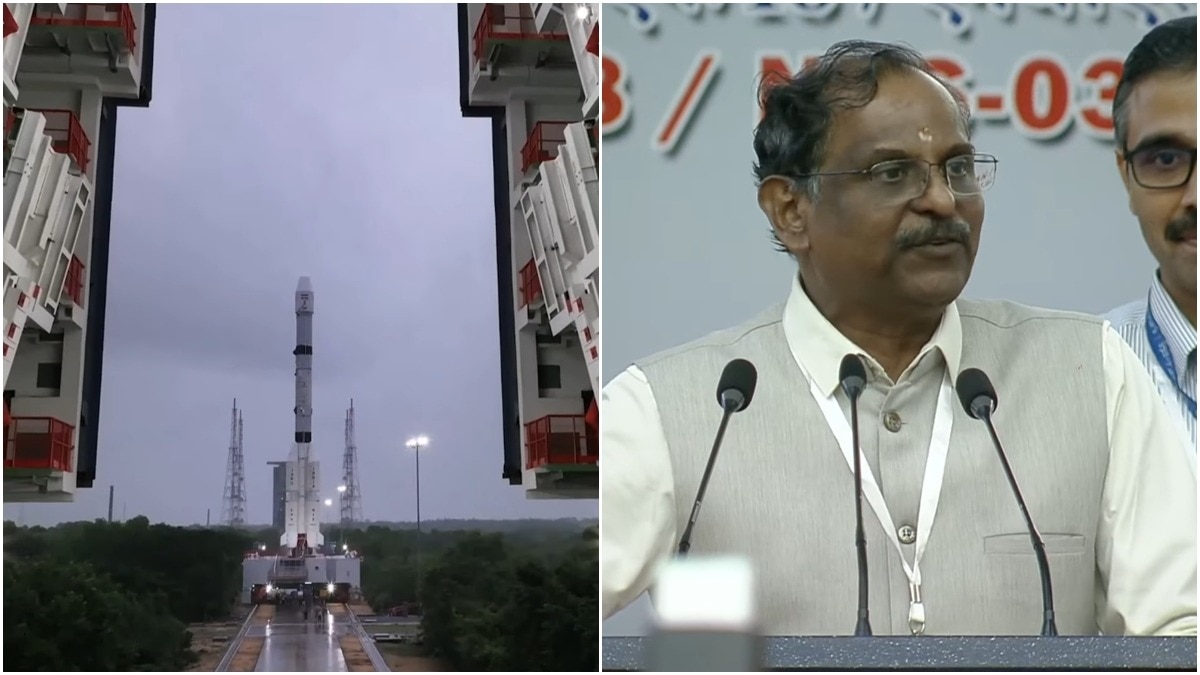
ജിഎസ്എൽവി-എഫ്18 വിജയത്തിന് ശേഷം ഈ സാമ്പത്തിക വർഷം അഞ്ച് പ്രധാന വിക്ഷേപണങ്ങൾ കൂടി നടത്താനൊരുങ്ങി ഐഎസ്ആർഒ. ഇതിൽ ഏറ്റവും പ്രധാനപ്പെട്ടത് ഗഗൻയാൻ പദ്ധതിയുടെ ഭാഗമായുള്ള ആളില്ലാ ദൗത്യമാണ്. പിഎസ്എൽവി, എസ്എസ്എൽവി റോക്കറ്റുകൾ ഉപയോഗിച്ചുള്ള വിക്ഷേപണങ്ങളും ഇതിൽ ഉൾപ്പെടുന്നു. ബഹിരാകാശ രംഗത്ത് ഇന്ത്യയുടെ കരുത്ത് വർധിപ്പിക്കാൻ ഈ ദൗത്യങ്ങൾ നിർണായകമാകും.
The Indian Space Research Organisation, or Isro, is gearing up for a busy second half of the financial year, with five more launches planned, including the first uncrewed mission under the Gaganyaan human spaceflight programme.
Speaking after the successful launch of the GSLV-F18 rocket carrying navigation satellite NVS-03 on Friday night, Isro Chairman V Narayanan said the space agency was moving closer to its goal of sending Indian astronauts into space.
The announcement comes after a successful mission that strengthened India's independent navigation capabilities and marked another milestone for Isro's heavy-lift launch vehicle.
FIVE MORE LAUNCHES ARE COMING
Narayanan said Isro was targeting at least five more launches before the end of the current financial year, with plans including two launches of the Polar Satellite Launch Vehicle (PSLV), two of the Small Satellite Launch Vehicle (SSLV) and a private-sector launch.
The overall target stands at six launches, though accomplishing at least five remains the priority, he said.
The PSLV is Isro's workhorse rocket, used to launch satellites into different orbits, including those used for Earth observation.
The SSLV, meanwhile, is a smaller rocket developed to carry lightweight satellites into space, offering a quicker and more economical launch option.
The planned missions will add to an already significant year for Isro, which has been working to increase launch frequency while strengthening India's capabilities in space.
A STEP CLOSE TO THE MOON
One of the biggest missions on the upcoming schedule is Gaganyaan-1 (G1), the first uncrewed flight in India's human spaceflight programme.
The mission will be a crucial step towards sending Indian astronauts into space aboard an Indian rocket and bringing them safely back to Earth.
Narayanan said Isro has completed more than 8,000 tests so far.
However, before astronauts can fly, the agency must successfully carry out three uncrewed missions to demonstrate that the rocket, spacecraft and safety systems can work reliably without putting human lives at risk.
He said preparations were progressing well, with teams working on critical systems and conducting simulations. The focus, he stressed, remains on astronaut safety.
The successful GSLV-F18 mission, meanwhile, has restored NavIC to its minimum operational configuration of four satellites, strengthening India's independent positioning, navigation and timing services.