
ഭൂട്ടാനിലെ ഹിമാനീതടാകം തകർന്നതിനെത്തുടർന്ന് അസമിലെ കൊക്രജാർ, ധുബ്രി ജില്ലകളിൽ അതീവ ജാഗ്രത. പുനാത്സാങ്ച്ചു നദിയിലെ ജലനിരപ്പ് ഉയർന്നതോടെ സങ്കോഷ് നദിയിൽ വെള്ളപ്പൊക്ക ഭീഷണി നിലനിൽക്കുന്നു. ദുരന്തനിവാരണ സേനയെ സജ്ജമാക്കിയിട്ടുണ്ട്. നിലവിൽ സ്ഥിതിഗതികൾ സാധാരണമാണെങ്കിലും മുൻകരുതൽ നടപടികൾ ഊർജിതമാക്കിയതായി അധികൃതർ അറിയിച്ചു. നദീതീരത്തുള്ളവർ ജാഗ്രത പാലിക്കണം.
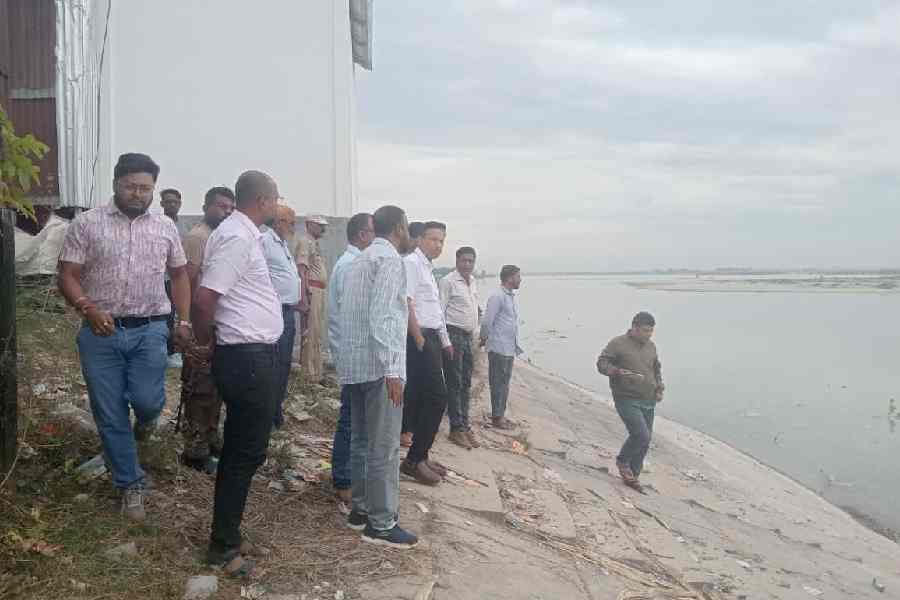
Officials in Assam's Dhubri district monitor the Sankosh river on Friday Sourced by the Telegraph
Two lower Assam districts, Kokrajhar and Dhubri, were placed on high alert following a glacial lake outburst flood (GLOF) in neighbouring Bhutan on Thursday.
The alert followed a special advisory issued by the CWC's Flood Forecast Monitoring Directorate to Assam and Bengal on Thursday, warning of the likelihood of a sudden rise in water levels in Alipurduar district of Bengal and Dhubri district of Assam due to the flash flood in the upper reaches of the Punatsangchhu river in Bhutan, known as the Sankosh in India.
An Assam State Disaster Management Authority (ASDMA) official said on Friday that all stakeholders were on alert, but the situation remained normal so far. "The water level of the Sankosh was 45.95m at 3pm (falling). District administration officials visited vulnerable points in Dhubri on Friday," the official said when asked about the administration's preparedness to meet the threat posed by the GLOF in Bhutan.
A GLOF is the sudden release of meltwater from a glacial lake when its natural barrier breaks due to rising temperatures, an earthquake or heavy rainfall, often resulting in catastrophic floods downstream. The release could last for a few hours or days.
Kokrajhar district commissioner Pankaj Chakravarty told the media that, following Thursday evening's GLOF, people in potentially vulnerable areas had been alerted by the district disaster management authority (DDMA) and the district administration. He added that SDRF and NDRF personnel were also on alert to meet any eventuality.
The Sankosh was flowing at 46.03m at 8am in Kokrajhar.
The Sankosh is a major transboundary river that flows through Assam and Bengal and also acts as a natural boundary between the neighbouring states.
The river flows along Kokrajhar and Dhubri districts before emptying into the Brahmaputra in Dhubri district. In Kokrajhar, it forms the boundary with Alipurduar district.
The CWC's Flood Forecast Monitoring Directorate had advised both Alipurduar and Dhubri districts to remain alert, closely monitor the situation and take necessary precautionary measures.
The Assam administration's preparedness during the sudden and devastating floods in four Upper Assam districts in July was widely questioned. Reports from the ground suggested that the death toll would have been much higher had the public, NGOs and activists not immediately joined the rescue and relief efforts. The official death toll as of July 31 stood at 80 across the four districts, with Sivasagar accounting for 50 fatalities. The other affected districts were Charaideo, Jorhat and Golaghat.
Chief minister Himanta Biswa Sarma took to social media to highlight the state's alertness and preparedness.
"We are closely monitoring the possible impact of the glacial lake outburst in Bhutan across all vulnerable revenue circles of Dhubri and Kokrajhar. Our teams are also in constant contact with the NDRF and other agencies, and are ready to respond if needed," Sarma said.
He also requested residents of vulnerable areas "to stay alert, follow official updates and cooperate with local officials".