
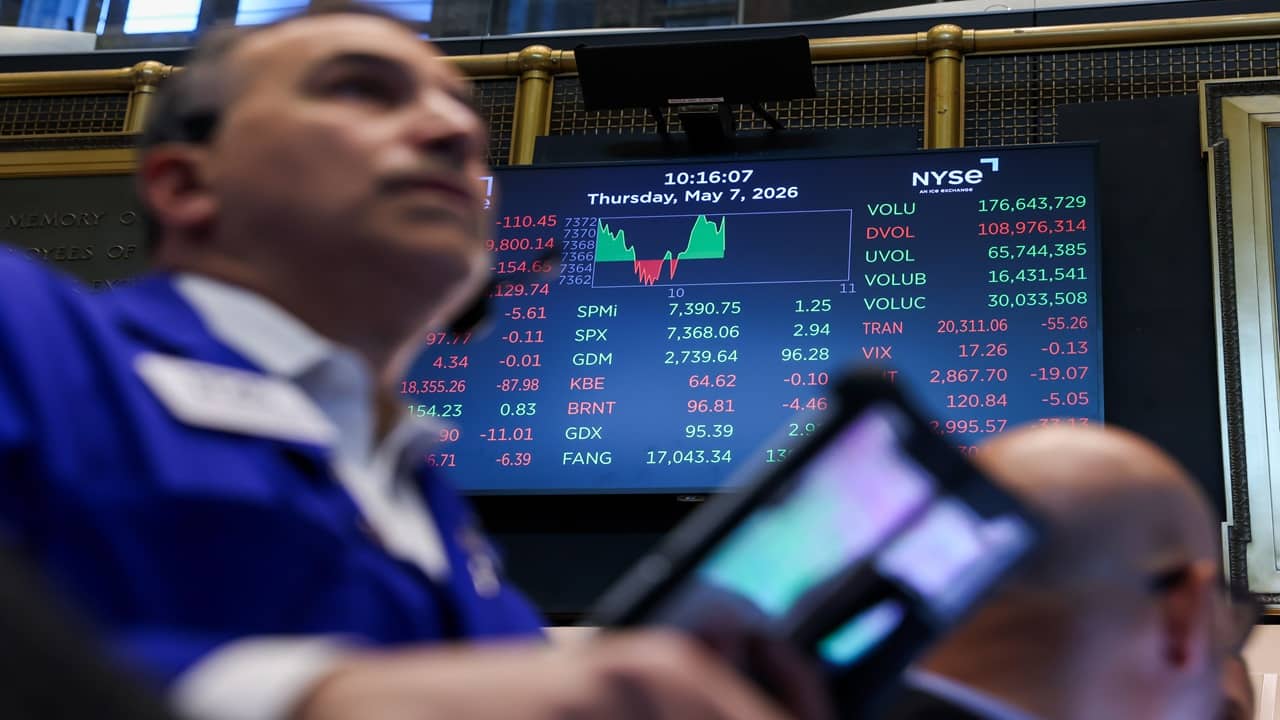
The S&P 500 dropped on Friday, marking its biggest weekly loss since June. Rising oil prices and AI trade fears rattled Wall Street, pushing tech stocks down. John Cunnison said, “The market is just waking up to whether the AI profit engine is durable.” Many chipmakers also saw shares fall.
Market Mastery
Webinar by Vishal Malkan
Find the weak links
in your portfolio by Vishal Malkan
The S&P 500 Index dropped on Friday to cap its biggest weekly loss since June, as a spike in crude prices renewed inflation fears while worries about the viability of the artificial intelligence trade pressured chipmakers.
The stocks benchmark sank 1.1%. A wipeout in the shares of cloud-computing services provider CoreWeave Inc. accelerated the rout in tech stocks, sending the Nasdaq 100 Index down 2.5% on Friday for its worst week since April 2025.
“The AI trade has found itself in everything from the stock market to debt markets and inflation figures, all things that have spooked traders this week,” said John Cunnison, chief investment officer at Baker Boyer Bank. “The market is just waking up to whether the AI profit engine is durable.”.
The Philadelphia Stock Exchange Semiconductor Index, which includes chip bellwethers like Nvidia Corp., Micron Technology Inc. and Advanced Micro Devices Inc., sank 3.8%, its eighth straight session of losses. That’s the gauge’s longest losing streak since 2006. The Cboe Volatility Index hovered at 19.99 — a level that signals growing market stress.
“Too many traders piled into the AI trade, with the bullseye now squarely on worries surrounding funding issues,” said Dan Eye, senior portfolio manager at Focus Partners Wealth. “CoreWeave’s issues puts even more pressure on Big Tech and AI companies to deliver strong earnings results in the coming weeks.”
CoreWeave shares fell another 12%, for a 25% weekly loss days after its debt tumbled to levels that typically indicate distress earlier this week.
The S&P 500 was about 2% lower for the week, its worst since June. The Nasdaq 100 tumbled 5.5%, declining every day of the week — a development last seen in January.
Still, the S&P 500 is only about 2% below its all-time closing high from earlier this month. Meanwhile, the KBW Bank Index suffered a sixth consecutive weekly decline, the longest streak of losses since the financial crisis.
As traders debate whether valuations have reached unsustainable levels given the current economic and earnings environment, AI profit forecasts loom as a key test.
Some of Nvidia Corp.’s biggest customers report soon, including Meta Platforms Inc. next Wednesday, followed by Microsoft Corp. on Oct. 28 and Amazon.com Inc. on Oct. 29. Tesla Inc., reporting on Wednesday, is expected to see a near-tripling in capital expenditures.
A basket tracking the so-called Magnificent Seven cohort fell 1.9%, led by declines in Meta, which slid 3.7%, while Tesla and Microsoft both fell more than 2% apiece. Apple Inc. rose 0.4% — the largest point contributor to the S&P 500.
With Fed officials set to enter a blackout period this weekend before their policy decision on Oct. 28, money managers are wrestling with what could propel the S&P 500 back to fresh highs after notching a record on Oct. 6.
Investors pared their bets for a rate hike at the central bank’s Oct. 27-28 policy gathering after Fed Chair Kevin Warsh — speaking at the International Monetary Fund’s annual meeting — did not dispel market expectations that the central bank will keep rates unchanged at the end of this month.