
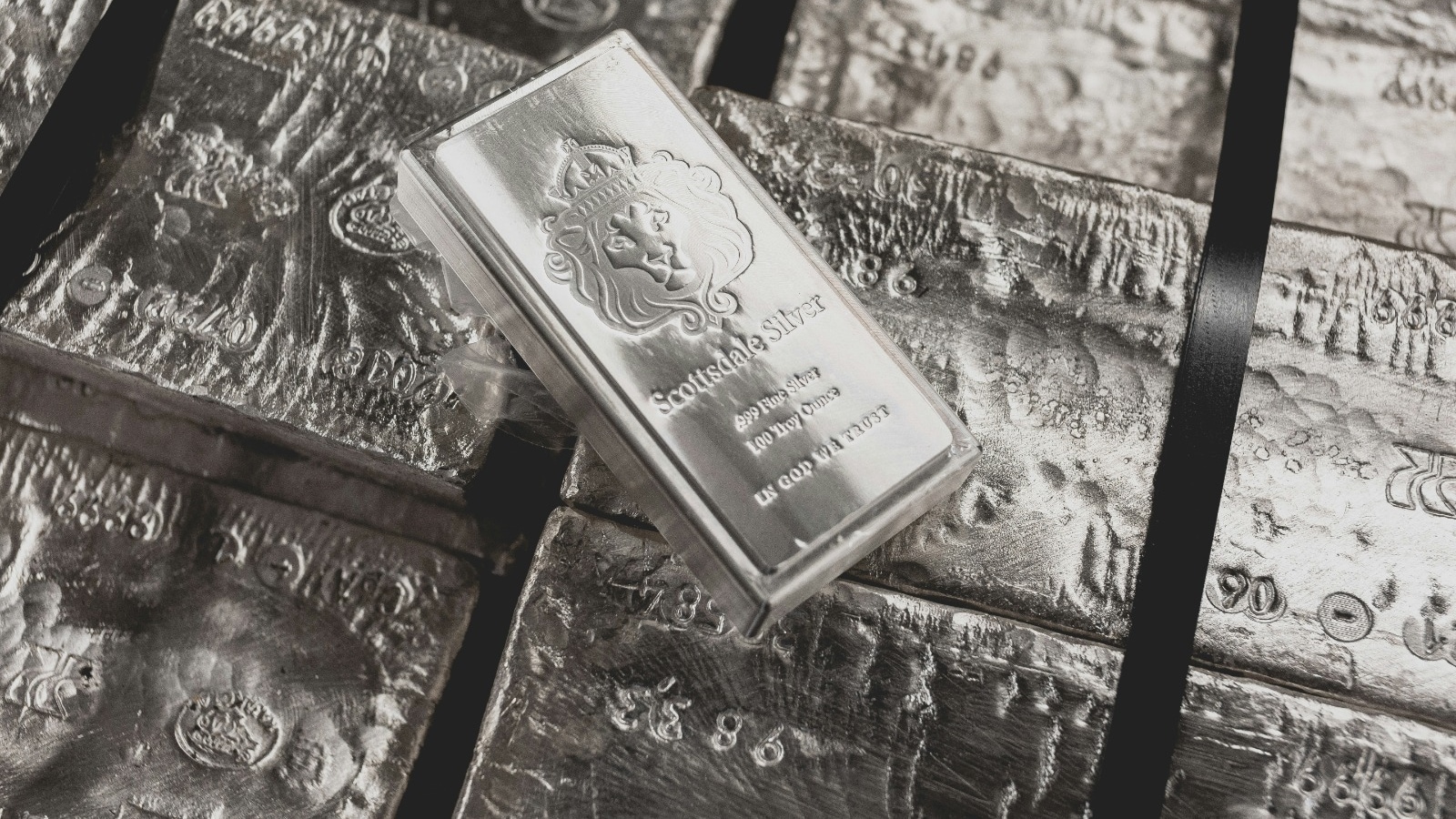
Silver prices fell from Rs 4.2 lakh to Rs 1.9 lakh per kg as precious metals lost their sheen. High energy prices and Middle East conflicts caused this sharp drop. Expert Kaynat Chainwala said, "Silver remains more exposed to a deeper correction should risk sentiment deteriorate further." Markets now watch FOMC.
Precious metals like gold and silver appear to have lost their sheen, knocked down by soaring energy prices, multiple flare ups in the Middle East conflict, and the prospect of another rate hike.
Spot futures for Gold fell to a fresh international low of $3,989.10 to $3,993.96 per ounce last week. The Yellow metal rebounded to $4,026, recovering most of its losses for the day but remained in the bear territory.
Silver's plunge has been deeper, with no recovery. The Devil's metal fell to an all time low of $53.8 an ounce. The crash from $120 to $53 now has brought MCX rates in India from Rs 4.2 lakh per kg to Rs 1.9 lakh per kg.
The pullback in treasury yields have aided the safe haven assets, periods of market stress has mounted selling pressure on the bullion, according to Kaynat Chainwala, AVP Commodity Research, Kotak Neo.
Notably, he added that from a long-term point of view, Gold may be better off than silver given the white metal's larger industrial demand.
"Given its larger industrial demand component, silver remains more exposed to a deeper correction should risk sentiment deteriorate further," Chainwala outlined.
Therefore, if the selloff breaches past $50 per ounce for spot silver, domestic silver will likely fall below Rs 1.9 lakh per kg.
In the given backdrop, all eyes are on upcoming FOMC meet slated for Oct. 27 and Oct 28. A potential pause in the hike cycle can relief some pressure off of precious metals.
Although, the prospect of continued Saudi-Houthi aggressions can rain on that parade too. Energy prices have noticeably been overshadowing respite pockets for commodities, Chainwala outlined.
"Both gold and silver have faced sustained selling pressure this month and may remain vulnerable despite markets pricing less than a 10% probability of an October rate hike as rising crude oil prices have revived inflation concerns and reinforced expectations of higher-for-longer U.S. interest rates," highlighted the commodity expert.
Attacks on key energy infrastructure in the Middle East, specifically Saudi Arabia (which is seen as a crucial alternate supplier amid Hormuz's closure) kickstart a vicious cycle.
The strikes worsen the possibility of supply normalising, give an additional boost to an already frenzied oil market and in turn strengthen the US dollar even more; a stronger dollar then ultimately puts more pressure on oil prices.