
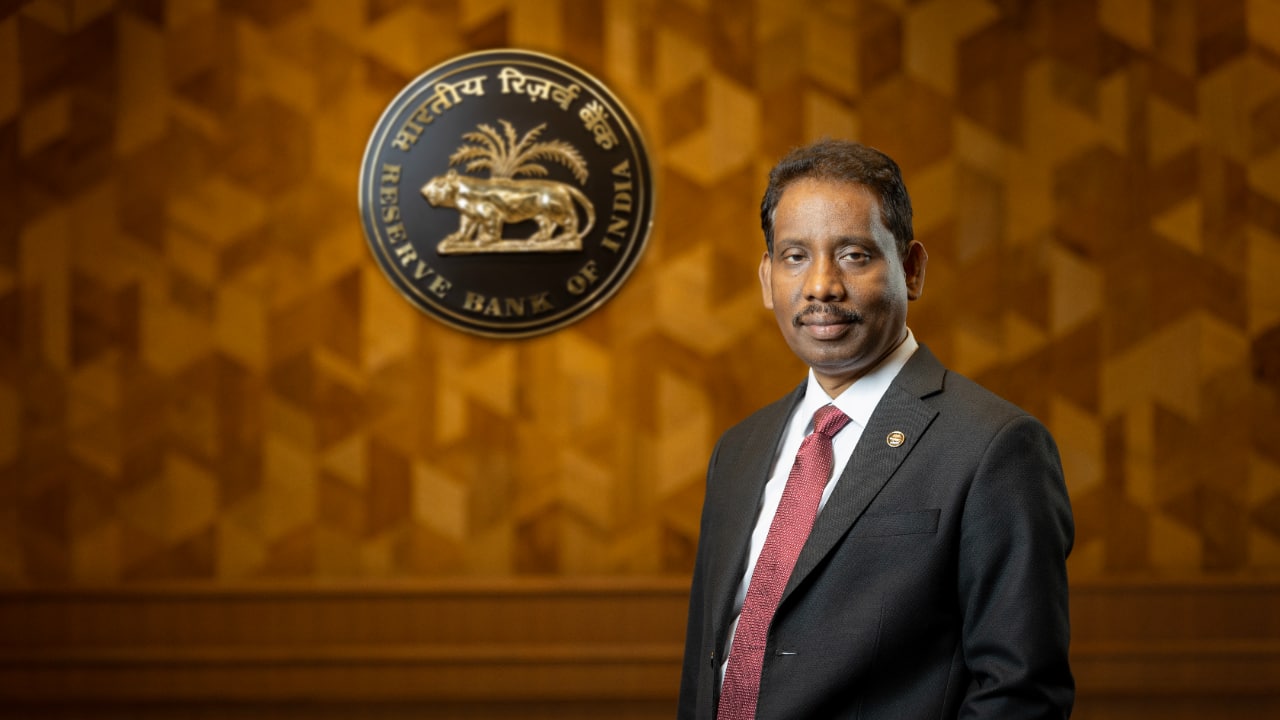
The RBI is unlikely to ease the 50 per cent FOIR limit for microfinance loans, said Deputy Governor Shirish Chandra Murmu on November 13. He noted, "Excluding some loans from the calculation would defeat this purpose, tinker with the sanctity of the limit and understate household leverage." The bank may review income thresholds.
The Reserve Bank of India (RBI) is unlikely to make the 50 per cent Fixed Obligation to Income Ratio (FOIR) limit for microfinance borrowers more accommodative, with Deputy Governor Shirish Chandra Murmu saying that excluding the principal component of certain loans from the calculation would defeat the purpose of preventing household over-indebtedness. Murmu was speaking at an MFIN event in Mumbai on November 13, 2026. The central bank will, however, undertake a review of the Rs 3 lakh annual household income threshold for microfinance loans, depending on its assessment of the need for a revision and developments in the industry, Murmu said.
"Excluding some loans from the calculation would defeat this purpose, tinker with the sanctity of the limit and understate household leverage," he said. The existing regulatory framework allows households with an annual income of up to Rs 3 lakh to access microfinance loans from regulated entities and caps their monthly loan repayment obligations at 50 per cent of household income. The microfinance industry has sought a revision in both parameters -- an increase in the income threshold and a relaxation in the FOIR calculation by including only the interest component of certain loans while excluding the principal component.
Explaining the RBI's position, Murmu said the 50 per cent limit was already a liberal threshold, considering the limited financial cushion of low-income households and their vulnerability to economic shocks. "The regulatory FOIR should be treated as a prudential maximum - not a target that every household has to meet," he said. Citing a recent study, Murmu said the average microfinance borrower spends 18.7 per cent of monthly household income on loan repayments, while close to two-thirds goes towards consumption. NABARD's periodic Rural Economic Conditions and Sentiments Surveys also indicate that consumption and other expenses account for roughly three-fourths of monthly household income.
Responsible lending and rising loan sizes Murmu also flagged the steady increase in the average ticket size of microfinance loans, with larger loans growing significantly while smaller loans appear to be losing traction. While this could reflect lenders' growing confidence in borrowers with established credit histories, it also raises concerns about over-indebtedness, including borrowers taking larger loans to repay existing obligations and the potential overstatement of household income to improve loan eligibility. He cautioned that an excessive focus on existing borrowers could also exclude households that are new to credit from the formal financial system.
"Meaningful financial inclusion must both broaden and deepen access to financial services," he said, calling for a balanced approach that serves both existing and first-time borrowers. On lending practices, Murmu said responsible conduct was critical to maintaining borrower trust and the long-term sustainability of the sector. "In my view, responsible conduct is the ultimate moat," he said. He identified over-indebtedness, high interest rates and harsh recovery practices as three key issues that the sector needs to address. Murmu also pointed to an upward shift in lending rates charged on microfinance loans across all categories of regulated entities, partly driven by higher credit costs in preceding quarters.
He said lenders' freedom to determine interest rates came with the responsibility of ensuring that pricing remained transparent, reasonable and justifiable. He emphasised that borrowers must understand the financial commitment before taking a loan, with all communication provided in a vernacular language or one they understand. Lenders must also provide a Key Facts Statement before executing the loan contract, explain its contents and obtain an acknowledgement of the borrower's understanding. RBI flags inconsistencies in credit reporting The Deputy Governor also flagged divergent practices in reporting microfinance loans to credit information companies (CICs).
While credit institutions generally report such loans in the microfinance segment, some lenders, specifically banks, have been reporting certain microfinance loans in the consumer segment. He said this affected the consistency, accuracy and credibility of credit information maintained by CICs. To address the issue, CICs have been advised to disable the option of reporting microfinance loans in the consumer segment and migrate the relevant data to the microfinance segment within a stipulated time. The RBI has also increased the frequency of credit information reporting. Credit institutions are now required to submit information to CICs at least four times a month, compared with the earlier fortnightly reporting requirement.
On self-regulation, Murmu said self-regulatory organisations (SROs) played an important role in building consensus among industry participants and addressing recurring challenges. However, he cautioned them against issuing guidelines without prior regulatory approval that could lead to regulatory ambiguity or diverge from the broader regulatory intent. "As lenders pursue growth and profitability, they must keep the customer at the centre," he said.