
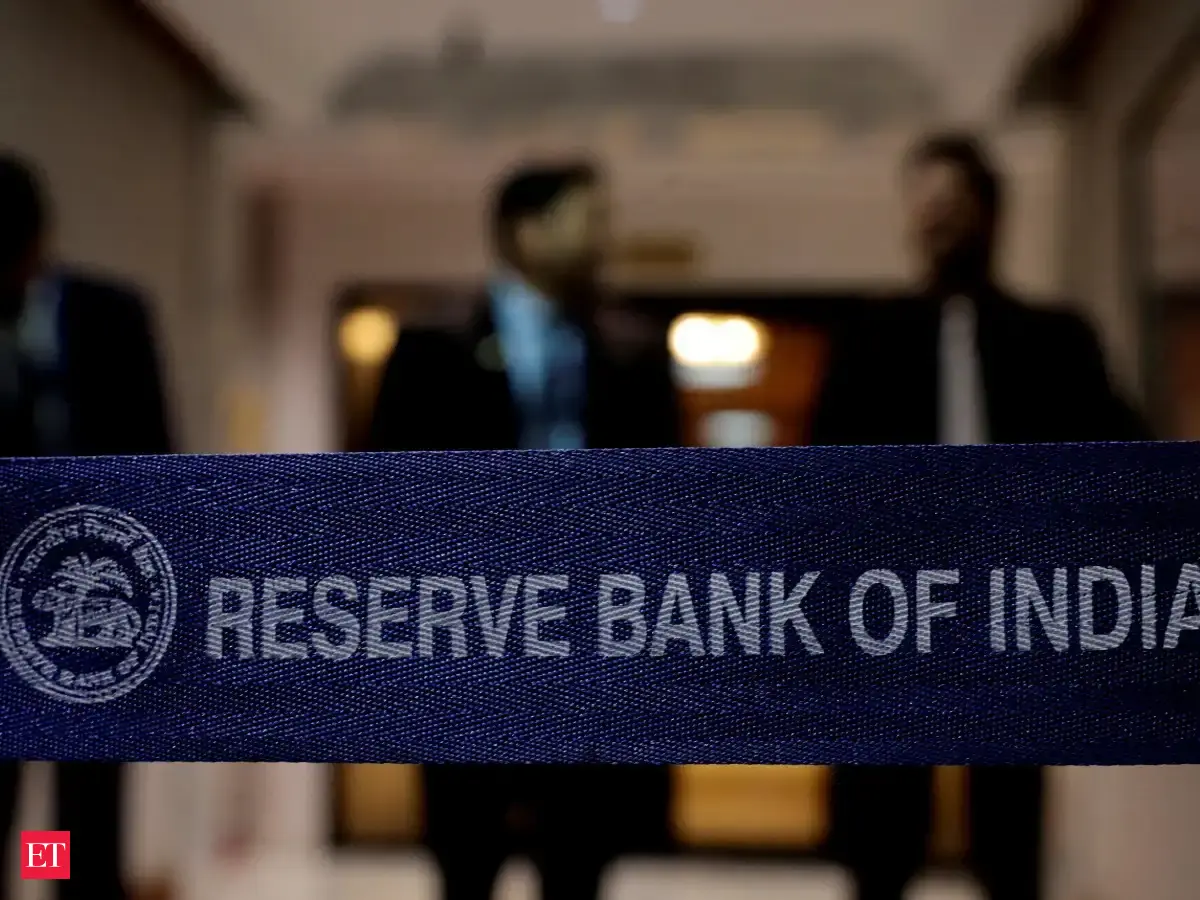
The Reserve Bank of India injected Rs 2.5 lakh crore into the banking system, raising questions about its monetary tightening push. An SBI report on October 23 said this move is hard to reconcile with the bank's inflation goals. Many now wonder how the central bank will balance these competing priorities.
Questions have been raised over the Reserve Bank of India's liquidity management approach after it decided to inject Rs 2.5 lakh crore into the banking system amid a calibrated monetary tightening push, PTI reported on October 23 citing SBI's Ecowrap report.
In its report, SBI said the RBI had consistently signalled its commitment to monetary tightening through its policy resolution, the Governor's statement and the minutes of the Monetary Policy Committee (MPC). The liquidity infusion through repo auctions, however, appeared difficult to reconcile with this approach.
SBI said the RBI's decision to shift the operating rate to the upper end of the policy corridor was an appropriate signal during a tightening cycle. But the simultaneous injection of liquidity raised questions about how the central bank intended to balance its inflation-control objective with liquidity management, particularly after the Governor placed less emphasis on liquidity in the October policy.
The report also flagged the RBI's cancellation of all Treasury bill auctions, suggesting that market participants could interpret the move as an attempt to influence bond-yield movements.
Despite the recent measures, SBI expects Indian government bond yields to stay high. The report said domestic yields were unlikely to ease even after US Treasury yields fell below 5%, citing expectations of elevated crude oil prices and developments in global bond markets.
The spread between Indian government securities and US Treasury yields has widened to 250 basis points and is moving towards normalisation, SBI said. However, high crude oil prices could limit the scope for a decline in domestic borrowing costs.
The outlook highlights the challenge facing policymakers as global financial conditions, energy prices and geopolitical developments influence domestic markets. While changes in liquidity conditions can affect bond-market dynamics, SBI's assessment suggests that external pressures could continue to keep Indian yields elevated.
SBI also pointed to a shift in the RBI's assessment of economic risks between its August and October MPC minutes. The October minutes placed greater emphasis on external conditions and financial stability, while giving less attention to liquidity and the transmission of monetary policy, the report said.
According to SBI, this change reflected growing concern within the central bank about threats to external stability from widening geopolitical conflicts. Inflation, meanwhile, remained a key consideration behind the tighter policy stance.
The report's assessment points to the difficulty of managing multiple risks at once. The RBI needs to maintain its focus on price stability while accounting for the impact of global developments on financial markets and the domestic economy.
SBI advised the RBI against managing liquidity through simultaneous injections and withdrawals, arguing that such a two-way approach could complicate the policy signal.
Instead, the bank reiterated its preference for widening the Liquidity Adjustment Facility (LAF) corridor. It said a wider corridor could serve as an automatic stabiliser during periods of uncertainty.
The recommendation comes as the RBI seeks to reconcile its tightening stance with the need to manage liquidity conditions and preserve financial stability. SBI's concerns centre on whether the current combination of policy signals and liquidity operations provides a sufficiently consistent direction to markets.