
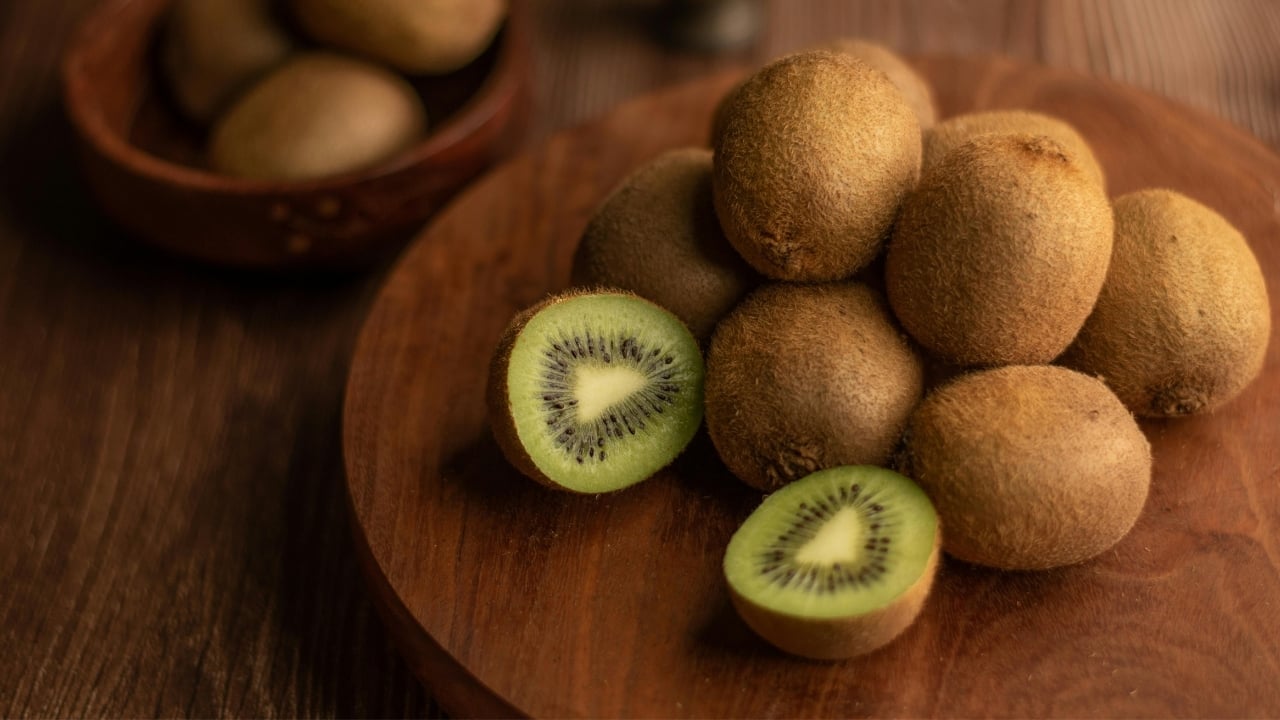
India’s free trade agreement with New Zealand starts on October 20, but concessional quotas for apples and kiwifruit begin next year. The government set the first-year quota at zero for these fruits. From 2027, importers get lower duties on specific quantities, though regular fruit imports continue as usual for now.
India's free trade agreement with New Zealand will come into force on October 20, but concessional import quotas for apples and kiwifruit will only become available next year, under rules notified by the Directorate General of Foreign Trade (DGFT). The government has set the first-year quota for both fruits at zero, meaning importers cannot claim the new quota-based duty benefits during the remainder of 2026. The DGFT's public notice, dated October 17, lays out the quantities, import duties and eligibility conditions for apples, kiwifruit, Manuka honey and albumins under the India-New Zealand FTA. What changes for apple and kiwifruit imports? For apples, India will allow 35,000 tonnes of imports from New Zealand at a concessional duty of 25 percent in 2027, compared with the prevailing import duty of 50 percent. The annual quota will increase to 37,500 tonnes in 2028, 40,000 tonnes in 2029 and 42,500 tonnes in 2030. From 2031 onwards, it will be capped at 45,000 tonnes annually. The concessional duty will apply only to shipments with a cost, insurance and freight (CIF) value of at least $1.25 per kg. Imports under the quota will be permitted between April 1 and August 31 each year. Kiwifruit will receive a more substantial concession, with imports qualifying for zero customs duty under the quota, subject to a minimum CIF value of $1.80 per kg. The quota will begin at 8,000 tonnes in 2027 and increase progressively to 15,000 tonnes annually from 2031. The import window for kiwifruit will run from April 1 to October 15. The absence of first-year quotas does not prohibit regular fruit imports. Kiwifruit outside the duty-free quota may also qualify for separate tariff concessions under the FTA, subject to the applicable price conditions. What about Manuka honey and albumins? Unlike apples and kiwifruit, Manuka honey and albumins will have concessional import quotas in the first year. India has permitted 40 tonnes of New Zealand-certified Manuka honey under the quota for 2026. The annual limit will increase to 200 tonnes from 2027. The honey must be certified by New Zealand's Ministry for Primary Industries and meet the specified CIF value requirement of at least $20 but below $30 per kg. For albumins, a category of protein products, the government has set a first-year quota of 200 tonnes at an import duty of 11 percent. The allocation will rise to 1,500 tonnes in 2027, 2,000 tonnes in 2028 and 2,500 tonnes in 2029, before reaching 3,000 tonnes annually from 2030. Both products can be imported under their respective quotas throughout the year. How will the quotas be allocated? Under the arrangement, New Zealand will allocate quotas to its exporters or producers through export certificates. These certificates must identify the product, permitted quantity and designated Indian importer. Indian importers must then apply for authorisation through the DGFT portal, referring to the export certificate issued by New Zealand. The authorisations will be valid only for the relevant quota year. Any unused allocation will lapse when the authorisation expires. Why India is restricting agricultural imports The quota system is part of India's effort to provide greater market access to New Zealand while retaining safeguards for domestic agricultural producers. The government has said that minimum import prices, seasonal import windows and quantity restrictions are intended to protect sensitive farming sectors. The wider agreement, signed in April 2026, will give Indian exporters duty-free access across all New Zealand tariff lines from October 20. Textiles, leather, footwear, engineering goods, gems and jewellery and processed foods are among the sectors covered by the agreement.