
Large restaurant chains are gaining an edge as food inflation forces smaller eateries to raise prices sharply. While standalone restaurants hiked rates by up to 39%, big brands limited increases to 3%. "Volumes gives you some negotiation leverage with the suppliers," said Westlife Managing Director Saurabh Kalra about their strategy.
Rising food inflation is turning into a competitive advantage for large restaurant chains, allowing them to keep menu price increases relatively modest while smaller standalone eateries are being forced to raise prices sharply. The widening difference in their ability to absorb higher costs is narrowing the price gap between branded chains such as Domino's, KFC and McDonald's and neighbourhood restaurants, potentially making organised players more attractive to price-conscious consumers.
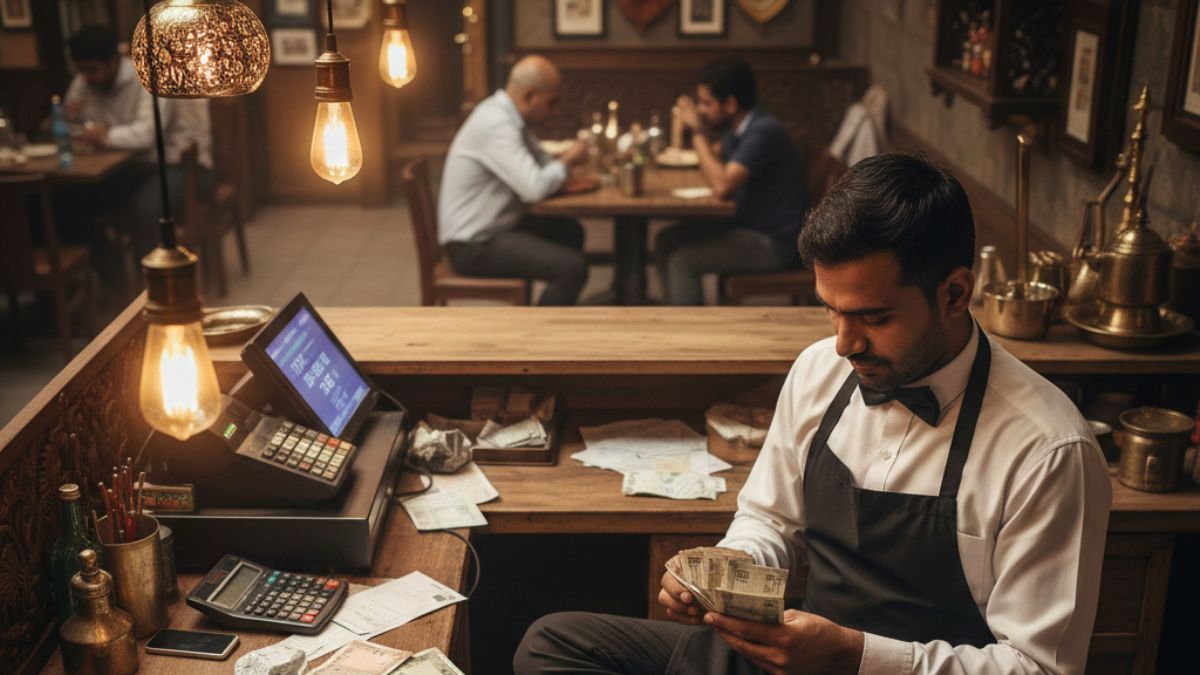
Standalone restaurants have raised menu prices by 10-15% for the second time this year, according to hotel associations in several major cities. Including the usual annual revision of 4-5% and the increase following the LPG price shock, the cumulative rise in some cases could be as high as 26-39%. Large chains, however, have so far limited increases to 1-3%, choosing to absorb a substantial part of the cost inflation rather than pass it on to customers.
Sapphire Foods, which operates KFC and Pizza Hut outlets, has raised prices by 2-3% this year, while Devyani International has increased them by 1-2%. Jubilant FoodWorks, which runs Domino's, has taken increases of 1.4-2%. Westlife Foodworld, the McDonald's operator in west and south India, has largely cut back on discounts, while Restaurant Brands Asia, which operates Burger King, has not raised prices so far.
The difference lies largely in the purchasing power and operating scale of these chains. Large operators procure ingredients in bulk, negotiate better terms with suppliers and can lock in prices for key commodities in advance. Jubilant, for instance, has secured its cheese supplies for the entire financial year, insulating it from the latest increase in dairy prices. Sapphire had similarly locked in cheese costs through the September quarter. Smaller eateries, which typically purchase supplies as required, have little protection against sudden price increases. "Volumes gives you some negotiation leverage with the suppliers," Westlife Managing Director Saurabh Kalra said.
Large chains are also using technology to make selective price increases rather than raising prices across their menus. Jubilant CEO Sameer Khetarpal said the company had used machine learning models to calibrate price changes across different times of the day and sales channels. Operators are also retaining entry-level offerings, including Rs 99 meals at KFC, McDonald's and Pizza Hut, to protect volumes. The strategy appears to be helping them defend margins despite absorbing a substantial part of the cost increases. Jubilant's standalone gross margin rose 110 basis points year-on-year to 75.5% in the September quarter, while Westlife's operating Ebitda margin improved 130 basis points to 13.1%.
However, the pressure has not disappeared. Jubilant estimated the impact of LPG shortages and minimum wage revisions at around 200 basis points, of which about 60 basis points is yet to be recovered. Devyani said its price increases so far have not fully covered inflation, while Burger King's gross margin declined 40 basis points sequentially as it absorbed higher chicken costs. Further price increases are expected, though operators intend to stagger them to avoid hurting demand. Westlife expects to raise prices by 2-4% over the year, while Sapphire has said it will remain cautious as inflation weighs on consumer spending.