
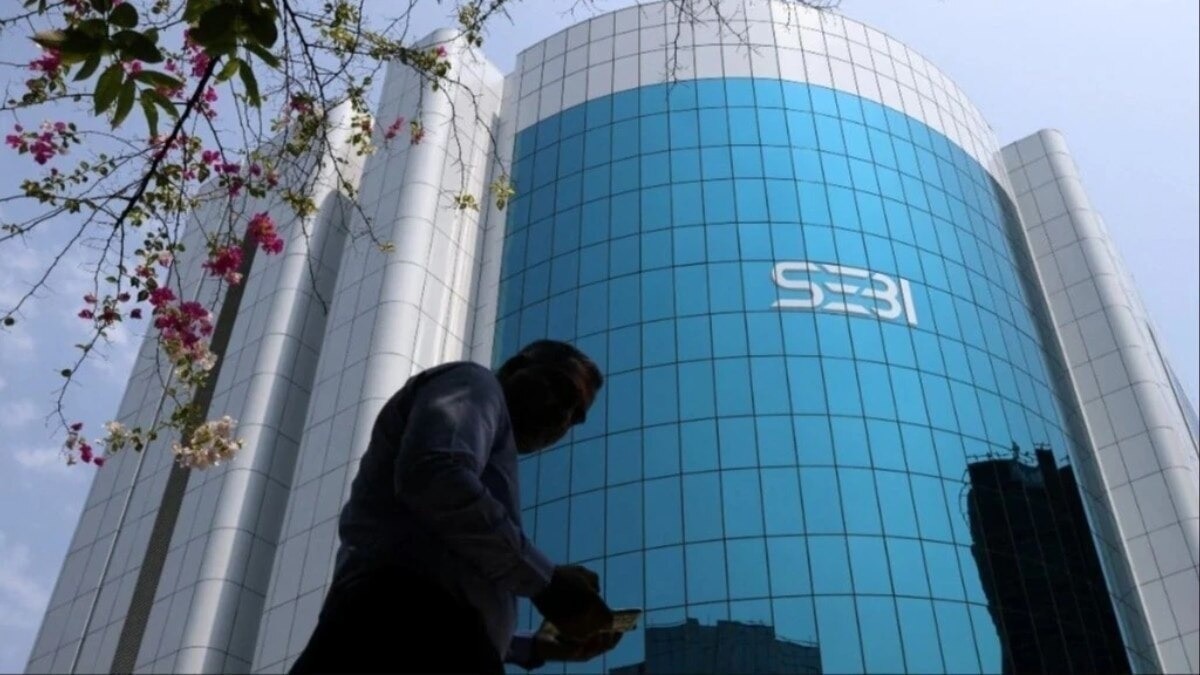
SEBI cancelled the investment adviser registrations of eight firms, including Karvy and Quant Capital, for failing to pay renewal fees. The regulator said these cancellations do not stop other businesses under the same brands from operating. Investors should check if their adviser’s registration remains valid before seeking any financial advice.
Importantly, the cancellations apply specifically to the named entities' registrations as investment advisers and should not be interpreted as a blanket prohibition on other businesses operating under the same corporate brands.
Why did SEBI cancel the registrations?
Under SEBI's Investment Advisers Regulations, 2013, registered advisers must pay renewal fees every five years to maintain their registrations.
The regulator found that all eight entities had failed to meet this requirement despite being granted registration certificates.
Karvy Investment Advisory Services, registered on July 3, 2014, had not paid renewal fees since July 3, 2019.
Quant Capital Private Limited, registered on June 28, 2016, had outstanding renewal fees from June 28, 2021.
Tathastu Investment Adviser Private Limited had the earliest outstanding renewal date, December 4, 2018.
SEBI initiated summary proceedings and issued notices asking the entities to explain why their registrations should not be suspended or cancelled.
Six entities failed to respond, while IDFC Alternatives and Indianivesh Investment Managers requested cancellation of their registrations.
Which investment advisers lost registration?
The eight entities are:
Karvy Investment Advisory Services Limited
Sagacis Investment Advisor
Tathastu Investment Adviser Private Limited
Quant Capital Private Limited
Arkanis Capital
IRA Wealth Advisor
IDFC Alternatives Limited
Indianivesh Investment Managers Pvt. Ltd.
SEBI concluded that their investment adviser registrations had ceased to remain in force because of unpaid renewal fees.
What does this mean for investors?
The cancellations mean the affected entities cannot rely on these registrations to operate as SEBI-registered investment advisers.
However, cancellation does not eliminate obligations arising from their earlier advisory activities.
SEBI directed the entities to ensure preservation of records, resolution of investor grievances, transfer of client funds or securities, and continuity of services, wherever applicable.
The regulator also clarified that the entities remain liable for past actions or omissions and could face proceedings for earlier securities-law violations.
For investors, the order reinforces the importance of checking whether an investment adviser's SEBI registration remains valid before seeking financial advice.
The order does not establish investment fraud or misappropriation of client funds. SEBI's stated basis for cancellation was non-payment of prescribed renewal fees.