
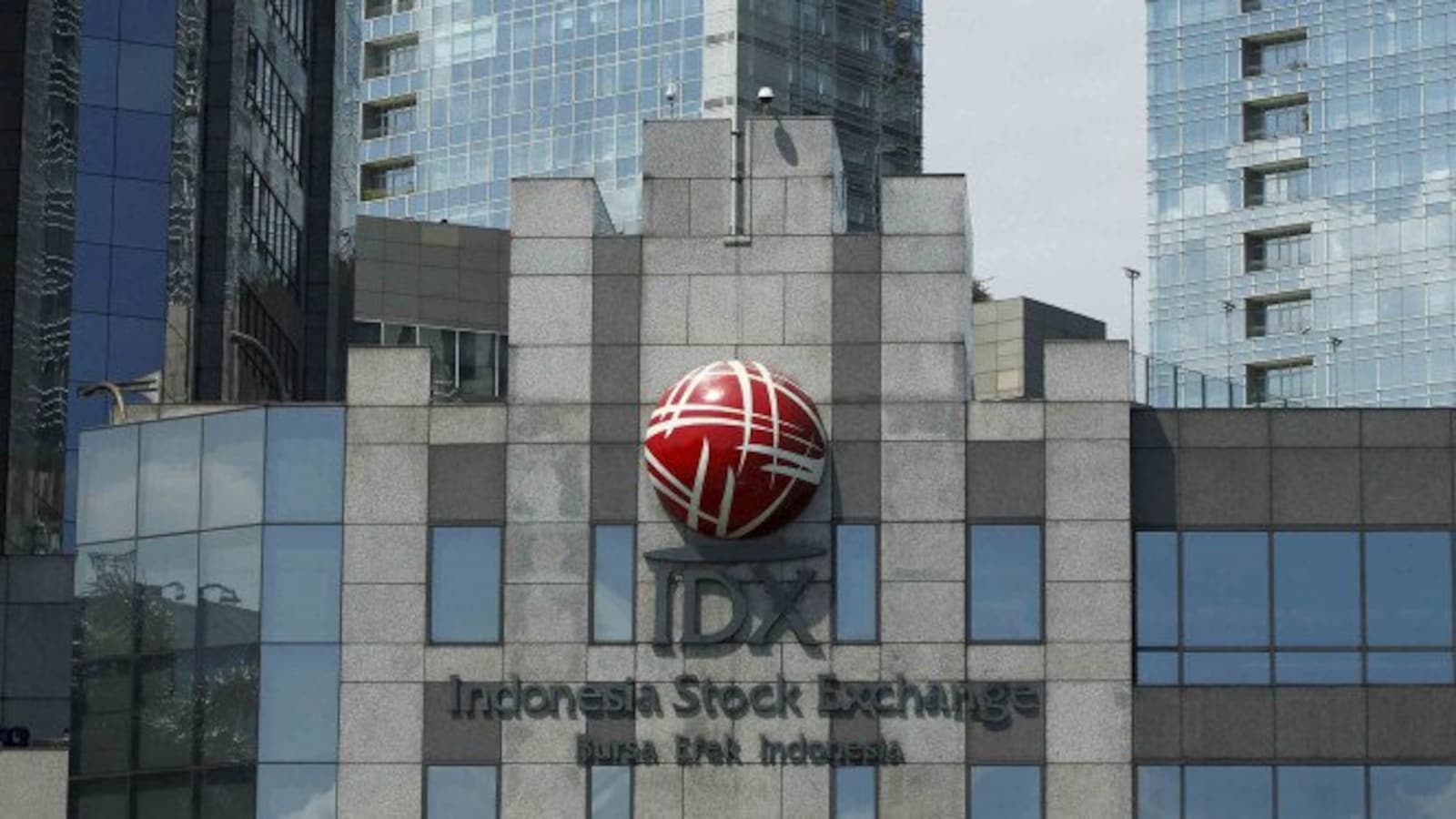
Indonesia's Jakarta Composite Index fell 11.57% on October 16 after MSCI proposed a market downgrade. This sharp drop sparked fears of billions in foreign outflows. History shows many major markets, including Japan and India, faced long periods of zero returns. Investors now worry if Indonesia will repeat these painful cycles.
Indonesia's stock market suffered its steepest single-day fall since 1998 on October 16 after MSCI proposed downgrading the country to standalone-market status.
The Jakarta Composite Index plunged 11.57%, raising fears of billions of dollars in foreign investment outflows. It brings back memories of global markets that endured years, sometimes decades, of disappointing returns.
1. Japan: 1989-2025
Japan's Nikkei 225 took more than 34 years to reclaim its December 1989 record, finally reaching a new high in February 2024. The prolonged recovery followed the collapse of the country's asset-price bubble.
By 2024, the index's price return since 1989 remained close to zero in yen terms, although reinvested dividends produced a positive total return.
2. China: 2007-Present
The Shanghai Composite peaked at 6,124.04 in October 2007. By September 2026, it stood at 3,842.19, remaining approximately 37% below that record after nearly 19 years.
Investors who bought near the peak have yet to recover their nominal price-index losses, excluding dividends.
3. India: 1992-2002
India's Sensex experienced a turbulent decade following the 1992 Harshad Mehta securities scam. Although the index crossed 6,000 during the dot-com boom in 2000, it ended 2002 at 3,377.28, below its 1992 high of 4,546.58.
The period illustrates how an interim rally does not guarantee lasting gains.
4. United States: 1962-1982
US equities faced a prolonged period of weak inflation-adjusted returns amid rising inflation, oil shocks and economic instability. A particularly difficult stretch ran from 1966 to 1982, when the S&P 500 generated an annualised real return of -1.4%.
5. Indonesia: 1994-2026
Indonesia's experience is striking in dollar terms. MSCI data showed its Indonesia Index delivering an annualised price return of minus 0.6% between May 1994 and April 2026, before the latest crash and excluding dividends.
On October 16, the Jakarta Composite Index plunged 11.57% as MSCI raised concerns over market transparency and proposed reclassification.
UBS estimated the move could trigger $4 billion in passive outflows, with active investors potentially adding another $15 billion.