
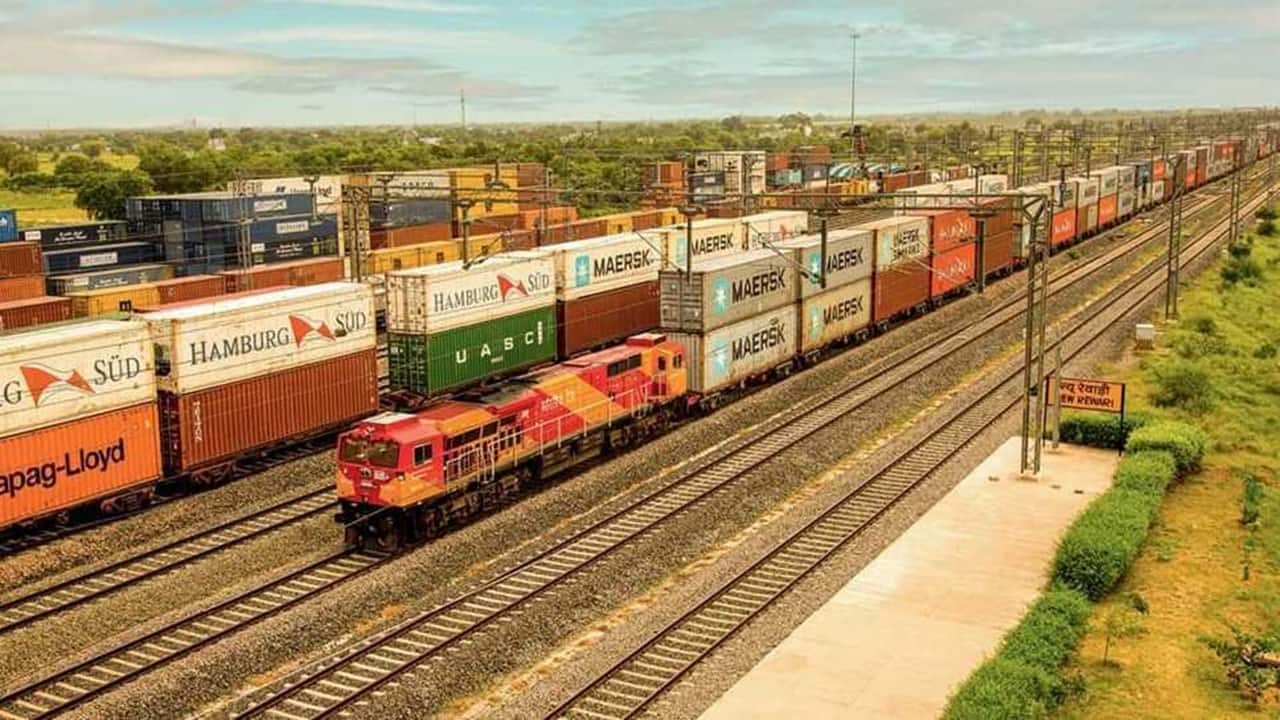
Indian Railways plans to add 400 more commodities to its freight reforms to boost revenue, Union Minister Ashwani Vaishnaw said on November 23. The initiative already earned Rs 1,078 crore this year. By moving beyond coal, the Railways aims to make cargo transport more efficient and competitive for many goods.
The Indian Railways is looking to expand its commodity-specific freight reforms to 400 more commodities, including limestone and sand, as it seeks to diversify cargo movement beyond traditional bulk commodities such as coal and improve its freight revenue, Union Minister Ashwani Vaishnaw said on November 23. The Railways has already covered 120 commodities, including salt, bulk cement, fly ash, automobiles, foodgrains, fertilisers and petroleum products. The Railways with the commodity specific reforms for cement, fertilisers and foodgrains has reduced spoilage and transportation losses. Vaishnaw said the changes in the way commodities are transported could also help lower the cost of housing construction by making cement transportation more efficient.
The reforms, which focus on addressing the specific transportation requirements of different commodities, have generated additional revenue of Rs 1,078 crore this calendar year, Vaishnaw said during a media briefing. Expanding freight basket The next phase of reforms will extend to other commodities, including light minerals such as dolomite and gypsum, along with clay. The objective is to make rail transportation more suitable for different types of cargo, rather than follow a uniform approach to freight handling. Containerisation of foodgrains and fertilisers is also expected to help minimise losses during transportation.
Vaishnaw said different commodities have different transportation requirements and the Railways was undertaking specific reforms to address these needs. The initiative is aimed at making freight transportation more competitive and reducing dependence on a limited basket of commodities like coal for revenue growth. 59 reforms since January The Railways has undertaken 59 reforms since January, including measures to improve passenger services and operational efficiency. Around 2,500 trains have been shifted to the revised cleaning system, with the Railways targeting the completion of the transition across all trains by the end of April.
Other initiatives include mechanised cleaning of the first chamber of train bio-toilets, artificial intelligence-based crowd surveillance and inspection systems for wagons and coaches, upgrades to railway track components and modernisation of the Passenger Reservation System.