
Noida-based agritech startup Arya.ag is helping farmers store grain to avoid distress sales and earn more. The firm uses a network of 12,000 warehouses across 21 states to store produce for 8.5 lakh farmers. This model lets cultivators wait for better prices while the startup earns from lending profits.
By offering secure storage and short-term loans against harvests, a growing agritech startup is helping farmers bypass distress sales while driving strong lending profits. The firm now plans to target a public market listing as it expands its nationwide warehouse network. How will tightening digital verification standards impact crop insurance payouts for rural cultivators?
Farmers across the country are under strain. Climate change is damaging crops, while inadequate storage means even the produce they manage to salvage risks going to waste. Noida-based agritech startup Arya.ag is trying to address both problems by helping farmers store their harvest and sell it when prices improve.
The farm storage crisis
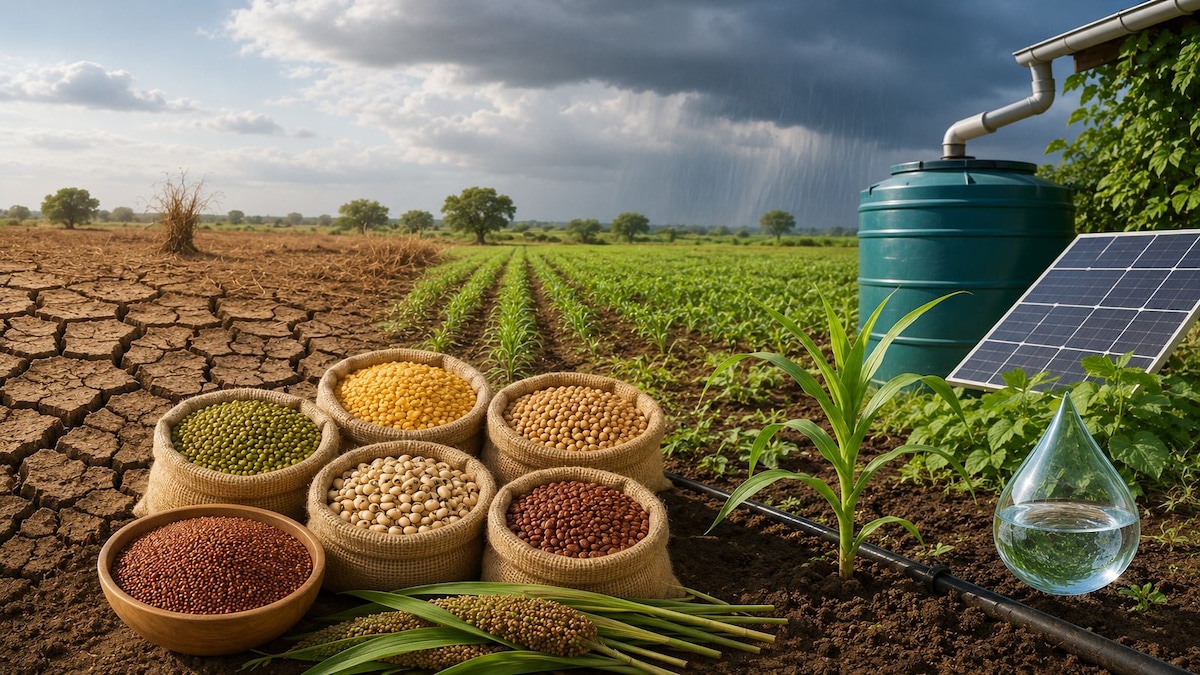
Water scarcity and erratic monsoons are hurting farm yields and incomes across the country. Arya.ag says it can cushion the blow by storing farmers' grain in warehouses. The startup makes money from the stored produce by lending against it, while farmers can wait for prices to improve before selling their harvest.
It's a problem small farmers in particular have long grappled with. Limited storage options mean post-harvest incomes often depend on mandi prices, leaving many farmers with little choice but to sell immediately, sometimes when prices are at their lowest.
At a Farmer Producer Organisation (FPO) in Maharashtra's Amravati district, farmers told us they use Arya.ag's facilities to store produce and sell it when prices improve. Some hold on to their harvest for seven to nine months, giving them greater flexibility over when to sell.
Government data shows that in 2025, nearly 83% of rural women depended on agriculture as their primary source of income. Arya.ag is working with farmers not just to connect them with buyers, but also to influence farming practices. Some farmers, for instance, have changed how they cultivate and handle crops to meet buyers' grain-quality requirements.
Building trust across farmlands
Arya.ag has partnerships with 12,000 warehouses across the country through FPOs and stores produce from more than 8.5 lakh farmers in 21 states. The startup's growing acceptance among farmers and FPOs, it says, stems partly from its business model. It has no minimum storage period or prepayment fee on its financing. It also has tie-ups with millers and FMCG companies to buy the produce.
The model addresses a longstanding problem in India's agricultural supply chain: a lack of trust between farmers, buyers and lenders.
"If you see the overall ecosystem in agriculture, it's basically marred by the lack of trust. The buyer feels that the seller will cheat him or her, the farmer feels that the buyer will not pay them on time or probably will not give the right weight to them, or maybe will not give the right price to them. A lender has a worry that maybe the depositor or the borrower will not repay. One thing that each of these players across the ecosystem is looking for and that is trust," says Prasanna Rao, CEO of Arya.ag.
Making a profitable agritech business
Arya.ag operates across three verticals: warehousing, lending and commerce. Warehousing generates the most revenue, while lending contributes the most to profits.
For every ₹1 lakh worth of produce stored, the company earns a profit of ₹70-100 from warehousing, ₹250-350 from commerce and ₹2,200-2,400 from lending, it says. In FY26, the company reported a profit of ₹34 crore on revenue of ₹515 crore.
Arya.ag is now considering a listing as it looks to expand its operations.
"We intend to be IPO ready in the next 18 months. Now, when do we exactly go and hit the market, that will be determined by what the market conditions are at that time," says Rao.
Farmers still face risks beyond the farm gate
Arya.ag says the grain it stores is insured against natural calamities, adding that insurance claims are rare. But farmers continue to face hurdles when it comes to crop insurance.
Agricultural experts say the growing reliance on digital records for crop insurance is leaving some farmers out, particularly when land records, farmer IDs and Aadhaar details do not match.
"Crop survey would be done based on a farmer ID and that farmer ID would be based on a land record. All this is a chain cascading system. If one of these links is broken right, if the farm land record data is not matching with the farmer ID data or if the farmer name in Aadhaar is not matching with land records, it automatically gets dropped," says Venky Ramachandran, founder of Krishi.System.