
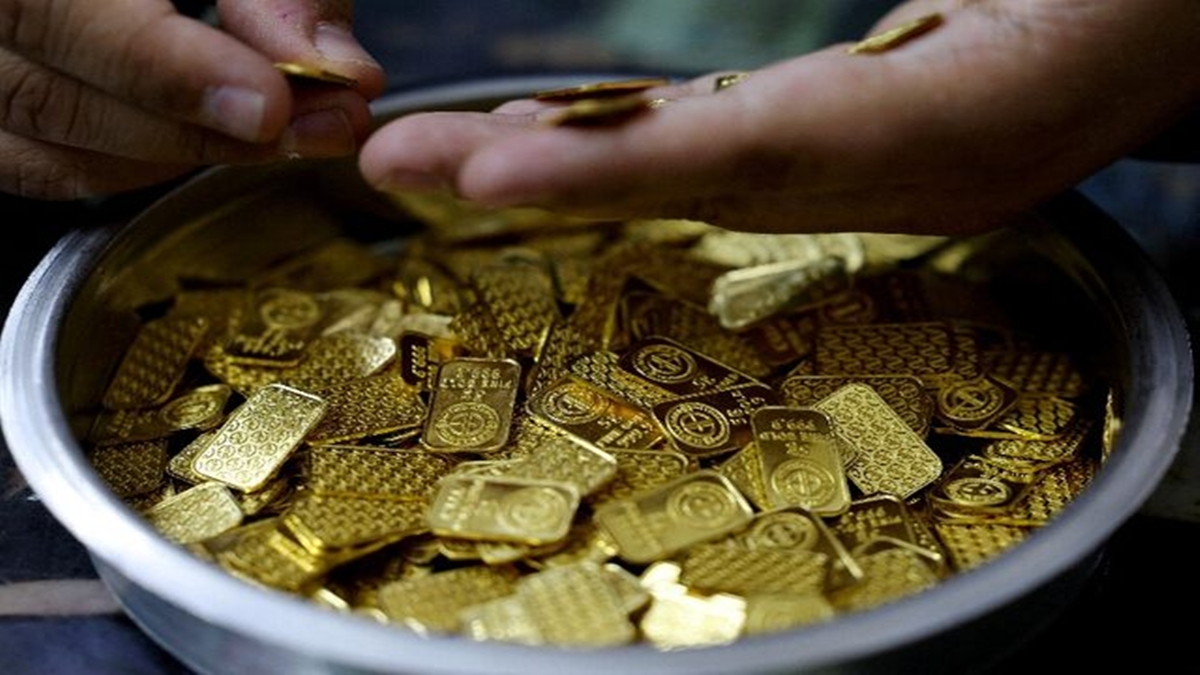
Gold prices gained 3% in the last five days of trading. While the metal is back in the spotlight, experts say investors should not rush yet. The price rose from Rs 1,32,941 on January 1 to Rs 1,41,032 on November 6. Festive demand often pushes these local rates up.
Just when gold prices looked like they were tiring, it has turned heads again. Gold is back in the spotlight, with prices firming up in the last few days.
The price of gold in India has gained 6% since the start of 2026. It has risen from Rs 1,32,941 per 10 grams as of January 1 to Rs 1,41,032 as of November 6, according to MCX data on spot market rates.
What about the past week? In the last five days of trading, gold price has gained 3%.
So, why are gold prices rising again, and what does it mean for Indian buyers? Here's a look at the factors influencing gold prices, but first the big question.
Do rising gold prices signal a new bull run?
Not so fast. A sharp short-term spike in any asset, including gold, does not necessarily mean a lasting trend. The recent strength in gold prices in India may not be construed as a signal that a new bull run has resumed.
Gold has a festive habit. Historically, it has been seen that demand for gold around Dhanteras and Diwali pushes prices up.
So, what is holding gold back? The headwinds for gold still exist. Buyers need not rush in on the back of a few good days.
Many in the gold market still believe the long-term bull run is intact. But the macroeconomic factors shaping gold right now are pushing it in the opposite direction.
Gold's rally in India is now old enough to be called a long-term bull run. From an average price of Rs 50,000 per 10 grams in November 2022, gold price in India has jumped by 180%. It reached a high of Rs 1.76 lakh in January 2026 before languishing at the current levels of Rs 1.4 lakh per 10 grams.
The question remains: will gold cross its previous highs and rise further?
What drives gold prices in India?
To answer that, Indian investors need to understand what drives gold's price. For that, we must look outside, starting with the dollar. Gold is traded in the international market in US dollars. So, the factors impacting gold in dollar trade impact gold prices in India too.
Then comes the local twist. Over and above that, the landed cost of gold imported by India includes taxes and import duties. This takes prices a little higher for buyers in India.
What is keeping gold in check?
Now, let us look at the factors keeping gold prices under check. Remember, these factors do not work alone. Most of them are interlinked. A change in any one of them could immediately change the dynamics of the gold market.
Under present circumstances, oil prices, also traded in dollars, hold the biggest card. We saw it play out when the US midterm election results came in.
The US midterm results showed Democrats taking control of both the Houses of Congress. This spurred hopes of an early resolution to the war in Iran. Oil prices plunged sharply, bringing the dollar index lower and giving support to gold.
Gold and the dollar have an inverse relationship. When the dollar falls, gold prices firm up.
There was another reversal on results day. Bond yields had been rising across tenures, after crossing multi-decade highs of 5%. After the midterm results, they fell.
So, what did the markets read from this? With oil prices remaining low, inflation will fall over time. That opens the door for rate cuts. But this was just the after-effect of the midterm election results. The reality is far from over.
What is still unresolved? There is no formal announcement of a resolution to the US-Iran war. Oil prices remain firm around $98 a barrel. And what about interest rates? The US Fed is expected to hike rates in December, with a 70% chance.
So, where does that leave gold? Until there is clear sight on these factors, gold is likely to remain under pressure.
Gold price in India
Source: MCX India spot prices
Six forces to keep an eye on
Indian gold investors need to keep an eye on at least six major forces that are shaping gold prices: geopolitical tensions, oil prices, inflation, interest rates, bond yields and the dollar. Most of these factors are interlinked. A move in one can quickly change the others.
So, how should Indian buyers read this?
In the near term, gold may stay under pressure until an outlook on the Iran war, oil prices and the Fed's next move become clearer. The long-term bull case, as many in the market see it, is still intact.
For Indian buyers, the message is simple. Track the six forces, and do not chase a few good days.