
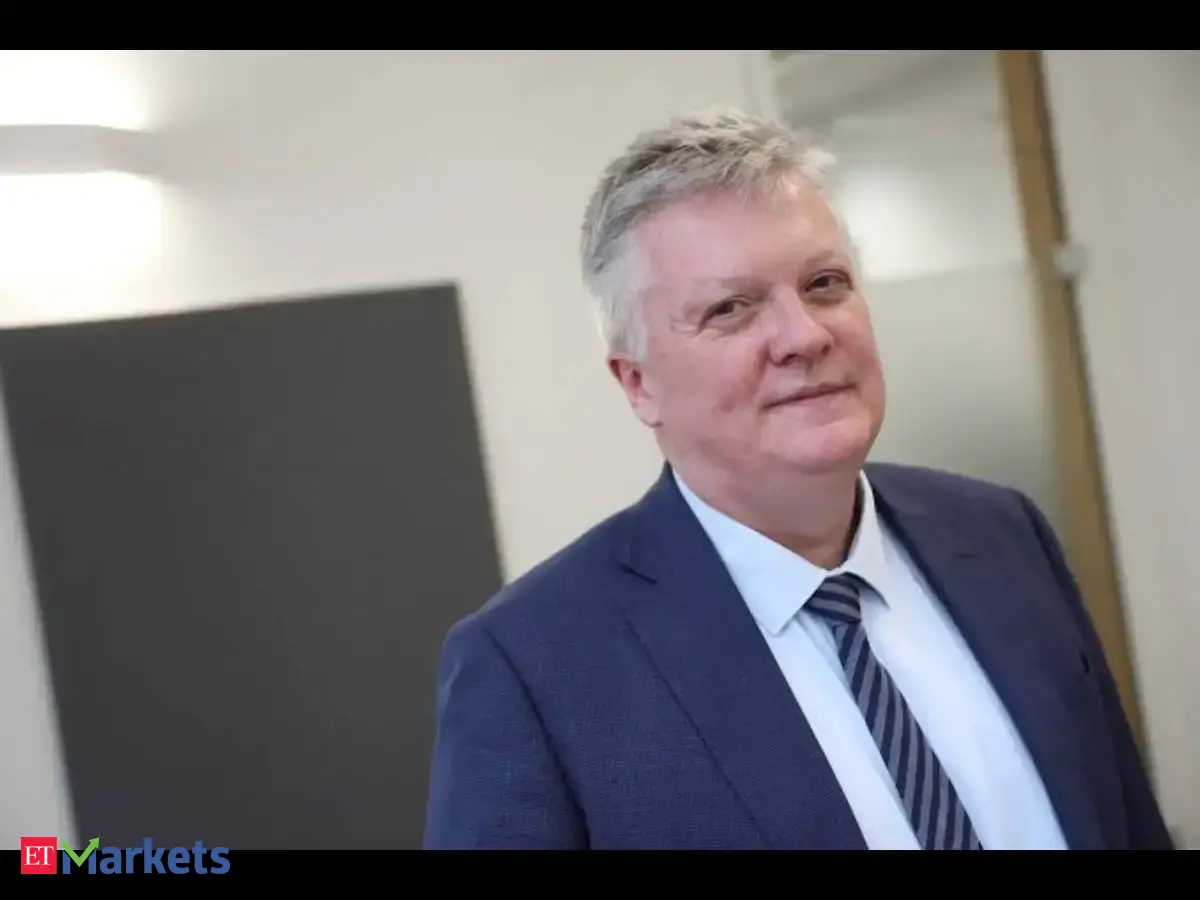
Bank of England Chief Economist Huw Pill questioned market expectations for four interest rate hikes over the next year on Wednesday. He said it was not yet clear if borrowing costs needed to rise that much. Policymakers remain divided on how to balance inflation risks against potential economic growth concerns.
Bank of England Chief Economist Huw Pill has questioned market expectations for four quarter-point rate hikes over the next 12 months as policymakers assess the inflationary fallout of the Iran war. His comments highlight divisions within the Monetary Policy Committee over how to balance rising energy prices against risks to economic growth.
Bank of England Chief Economist Huw Pill on Wednesday expressed scepticism about market expectations for four quarter-point interest rate increases over the next year, signalling uncertainty over the pace of monetary tightening as policymakers assess the inflationary impact of the Iran war, Reuters reported.
Pill, who voted in favour of raising interest rates at the central bank's September meeting, said it was not yet clear whether borrowing costs would need to rise by as much as financial markets anticipate. He made the remarks at an event organised by Citi on the sidelines of the International Monetary Fund's semi-annual meetings in Bangkok, Reuters reported.
US MarketsPowered By
As on 14 Oct 2026, 07:34 PM IST
S&P 500 Top Gainers
Cboe Global Markets304.29(4.12%)
Eli Lilly1,212(3.92%)
UnitedHealth Group391.13(3.54%)
Pfizer29.22(2.98%)
Gainers"
S&P 500 Top Losers
Progressive201.95(-9.39%)
Coterra Energy32.56(-8.62%)
Bank of America49.48(-8.30%)
State Street160.86(-7.60%)
Losers"
Pill said the central bank needed to ensure monetary policy was positioned appropriately to address inflationary pressures, while questioning whether four rate increases would be warranted over the coming 12 months.
The comments highlight divisions within the Bank of England's Monetary Policy Committee over the appropriate response to the energy shock stemming from the Iran war. Pill and two other MPC members voted for a rate increase in September, while the majority, including Governor Andrew Bailey, favoured keeping rates unchanged until there was greater clarity on the conflict's economic impact, Reuters reported.
Bailey reiterated on Tuesday that the energy shock had so far had a limited effect on broader inflationary pressures in the UK. However, he warned that the longer the disruption continued, the greater the risk that its effects would spread more widely through the economy.
The central bank faces a delicate balancing act as it weighs the risk of higher energy prices feeding into inflation against the potential damage to economic growth from tighter monetary policy.
While financial markets have priced in a series of rate increases over the coming year, Pill's remarks suggest policymakers remain divided over the scale and timing of any further tightening, with the outlook likely to depend on how the energy shock evolves and whether it generates more persistent inflationary pressures.