
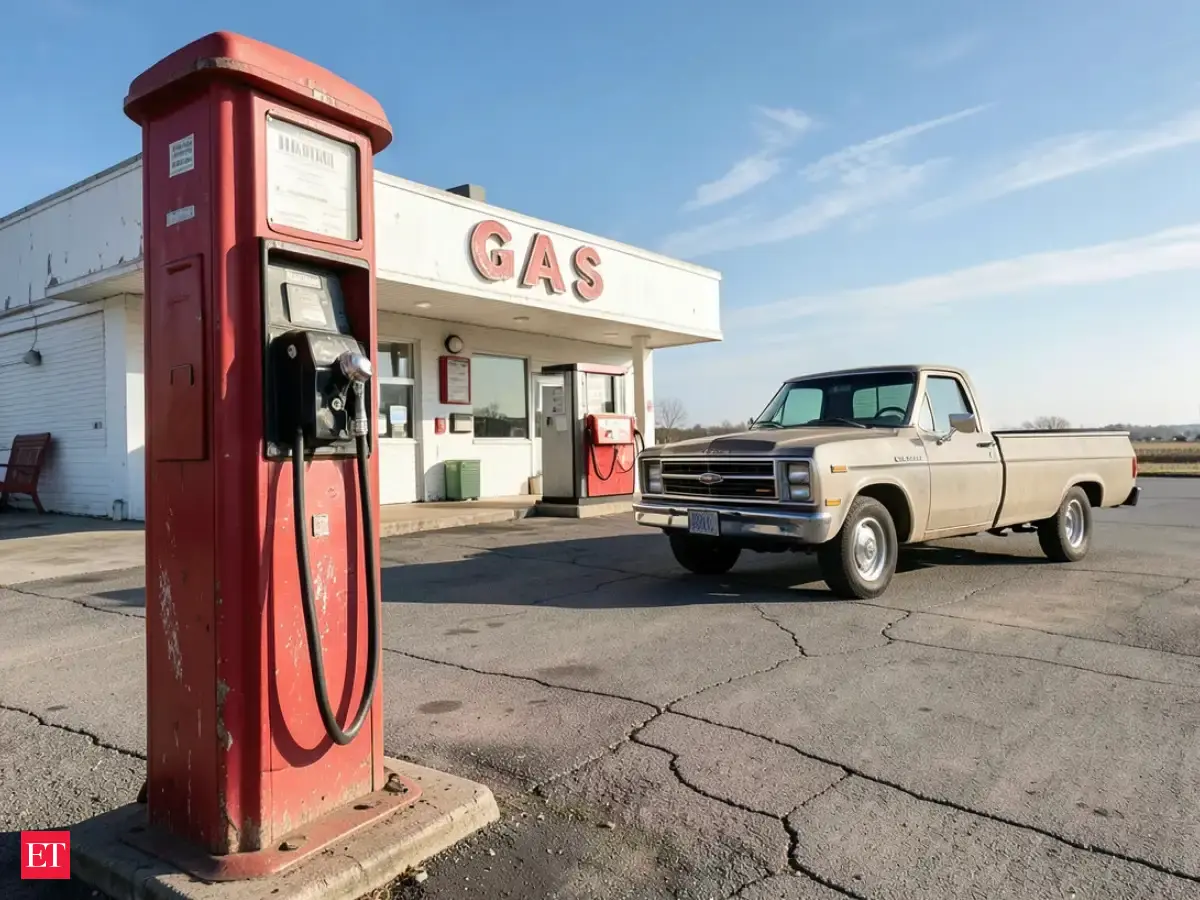
American motorists are paying much less for fuel compared to drivers in the European Union. As of November 2, the average EU petrol price was nearly double the US rate. Higher taxes and different policies in Europe caused this gap. Diesel costs also showed a difference, though the gap remained smaller.
American motorists are currently paying much less for fuel compared to drivers in the European Union. The average petrol price in the EU is almost double that of the US, highlighting significant market differences. Higher taxation in Europe contributes to this price discrepancy, making it important for consumers to understand. Diesel costs also reflect a noticeable difference, though the gap is smaller than for petrol.
Fuel prices in the United States have become significantly lower compared to prices charged by motorists in the European Union. The disparity is especially evident in petrol prices; in the EU, petrol costs almost twice as much as in the US when expressed in euros per litre.
According to information provided by the US Energy Information Administration and the European Commission's Weekly Oil Bulletin as of November 2, 2026, the higher price of fuel applies to diesel as well. Fuel taxes, differences in policies, and oil market structure are among several factors behind the higher price of fuel in Europe.
What is equally significant is that cheap fuel in the US does not mean that oil itself is cheaper in this country. Taxes and other factors determine the cost of fuel.
How do US gas prices compare with EU petrol prices?Based on the information presented on November 2, a clear disparity between the two markets can be noted.
In accordance with the EIA, the average price of US regular gasoline was $4.153 per gallon. With the help of the exchange rate between the euro and dollar of about €1 = $1.1216, it equals about €0.98 per litre.
The European Commission Weekly Oil Bulletin stated the weighted average price of Euro-super 95 gasoline in the EU as €1.929 per litre.
It implies that the average EU price was nearly 97% higher than that of the US.
In other words, European drivers were paying almost double the amount that American consumers paid for the same volume of petrol.
Nevertheless, there are quite significant differences among various member states in terms of petrol prices.
For instance, on November 2, the average petrol price in Malta was €1.340 per litre, whereas in Denmark, it was €2.498 per litre.
Are US diesel prices also cheaper than EU diesel prices?The difference is also visible in the diesel market, although the gap is smaller than for petrol.
The EIA reported that the average US on-highway diesel price was $6.292 per gallon on November 2. Converted using the same exchange rate, that amounts to approximately €1.48 per litre.
By comparison, the European Commission's weighted EU average for diesel was €2.154 per litre during the same week.
U.S. Energy Information Administration (EIA)+1
Diesel price comparison -- November 2, 2026
MarketAverage price per litreUnited States€1.48European Union€2.15
The EU's average diesel price was approximately 45% higher than the American figure.
The difference is important for businesses and transport operators because diesel is widely used in commercial vehicles, freight and logistics. Higher fuel expenses can feed into the operating costs of businesses and potentially affect the prices consumers pay for transported goods.
However, the actual impact varies according to vehicle efficiency, fuel consumption, transport contracts and the country in which a business operates.
Why are petrol and diesel prices higher in Europe than in the US?Taxation is one of the biggest explanations for the difference in pump prices.
European governments generally impose substantial excise duties and value-added taxes on motor fuels. These charges contribute to the final price paid by consumers, even when the underlying cost of petroleum products is similar.
The European Commission publishes separate weekly figures for fuel prices with and without taxes, allowing the contribution of taxation to be examined across member states.
The US also taxes gasoline and diesel through federal and state levies. However, the overall tax burden and fuel-pricing structure differ from those in many European countries.
Another factor is the difference in energy policies. European countries have historically used fuel taxation as one way to influence consumption, encourage efficiency and support government revenue.
In the United States, lower average fuel taxation has generally helped keep pump prices below European levels. Domestic petroleum production and the country's extensive refining and distribution network also influence its market, although crude oil prices remain connected to international developments.
It is therefore misleading to attribute the entire price difference to one factor. Taxes, refining costs, distribution expenses, exchange rates and regional supply conditions all contribute to the final amount.
Will the gap between US and EU gas prices continue?The price difference could persist, but it is not guaranteed to remain at its current level.
International crude oil prices remain an important influence on both markets. Changes in global supply, geopolitical tensions, production decisions and refinery operations can push petrol and diesel prices higher or lower on either side of the Atlantic.
The latest US figures also show that fuel prices have been under pressure. AAA reported on November 5 that the national average for regular gasoline had fallen to $4.10 per gallon, down 12 cents in a week. However, it remained more than $1 higher than the corresponding period a year earlier.
Europe faces similar exposure to international energy markets, although its higher fuel taxes mean that changes in crude oil prices do not necessarily translate into identical movements at the pump.
Currency movements are another consideration. A stronger dollar against the euro can make American fuel prices appear more expensive when converted into European currency, even if the underlying US price remains unchanged.
For motorists, the broader lesson is that fuel affordability depends on more than the price of crude oil. Government taxation, domestic energy policies and local market conditions can make two economies with access to the same global petroleum market deliver very different prices at filling stations.
The takeaway: US motorists currently enjoy a significant price advantage over their EU counterparts, particularly when buying petrol. However, taxation and national energy policies explain much of the difference, making the comparison about more than just oil prices.