
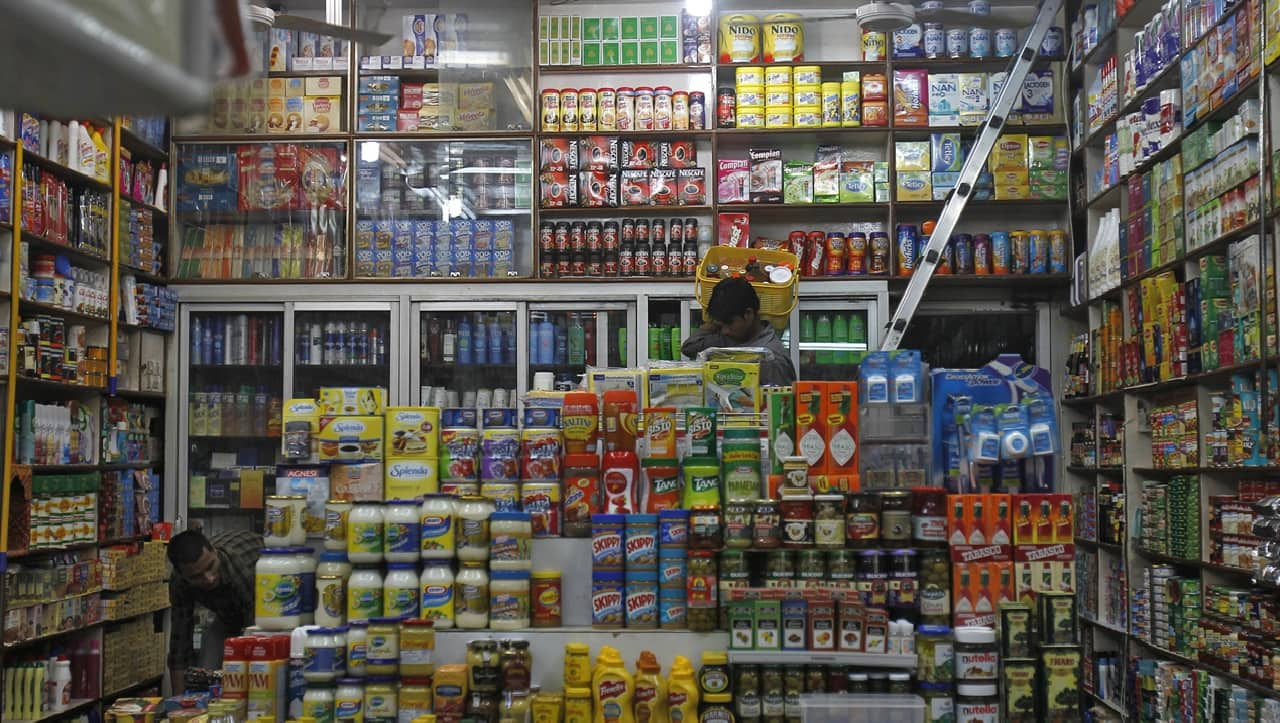
FMCG companies are ramping up festive promotions and retailer incentives ahead of Diwali to boost sales. Manufacturers hope these offers push products into stores despite sluggish demand. However, retailers remain cautious about inventory build-up. "If demand remains subdued through Diwali, we do not expect FMCG companies to register double-digit growth."
Fast-moving consumer goods (FMCG) companies are ramping up trade promotions and retailer incentives ahead of Diwali, seeking to push more products into distribution channels as sluggish demand raises concerns of inventory build-up. From buy-one-get-one offers on confectionery to incentives on cooking oil, manufacturers are competing aggressively for shelf space and higher sales. However, Distributors and retailers, however, worry aggressive stocking may not translate into purchases if demand fails to pick up. Demand remains a concern as inflation squeezes household budgets. In urban areas, stagnant wages have curbed discretionary spending, while rural consumption has been hit by farm distress, insufficient rains and drought in some regions. Retailers say price hikes have also offset recent GST cuts, limiting a meaningful recovery in purchasing power. Source: Company, HSIE Research Inventory concerns "Both urban and rural demand are slowing, making the offtake during Diwali uncertain. If demand remains subdued through Diwali, we do not expect FMCG companies to register double-digit volume growth in the third quarter and retailers could see pile-up of unsold stock," All India Consumer Products Distributors Federation (AICPDF) president Dhairyashil Patil said. P Diganth, an industry executive, said companies were ramping up discounts to increase sales volumes and maintain their leadership positions. However, slowing consumer sentiment was affecting retail sales, particularly in rural regions facing drought-like conditions. The risk is greater for distributors purchasing products on credit, as weaker sales could leave them holding inventory beyond the festive season. "Where distributors take goods on credit, the risk of inventory piling up increases if consumer demand fails to pick up," said Prasanna Kumar, chief executive officer of Vilcart, a tech-driven B2B commerce and rural supply chain platform that connects manufacturers to rural kirana stores. Hindustan Unilever, Britannia, Marico and Godrej Consumer Products did not immediately respond to Moneycontrol's queries about their festive strategies and discounting. Festive promotions Premium soap, chocolate, snack, and sweet manufacturers are offering bigger discounts and incentives to push distributors and retailers to stock up, industry executives told Moneycontrol. The number of trade promotions increased 16 percent from the previous year, while total promotional spending rose just 6.2 percent, data from BeatRoute shows. A sales technology platform, BeatRoute works with companies such as Colgate-Palmolive, Godrej Consumer Products and Kraft Heinz. An approximately 8 percent drop in promotional spending suggests a shift from a smaller number of broad-based promotional schemes to more frequent and targeted incentives aimed at specific retail outlets, products and regions. "While the incentives are given every festive season, this time the competition has increased to stand in front of the line and there is a race to push maximum number of products in the channels," Patil said. He said companies were increasingly engaging in "shelf blocking", a practice in which brands group their products together in a continuous block on store shelves rather than scattering them across different locations. The strategy creates a prominent display, effectively turning shelf space into a billboard to attract shoppers' attention and improve product visibility. "Most of the large organisations are running top-up incentives for their top retailers, wholesalers, and distributors, primarily to capitalise on the festive period despite it being a year of margins being under pressure," said Aditya Goel, co-founder of Love-in-Store, an in-store activation firm working with over 100 FMCG companies. Distributors of Dabur, which has a large rural portfolio, said the company had offered a 3 percent incentive for meeting seasonal sales targets, below the industry average of 4-5 percent. Another distributor said promotional offers on staples such as ghee, cooking oil and sweets had been exceptionally lucrative as companies sought to maximise festive sales.