
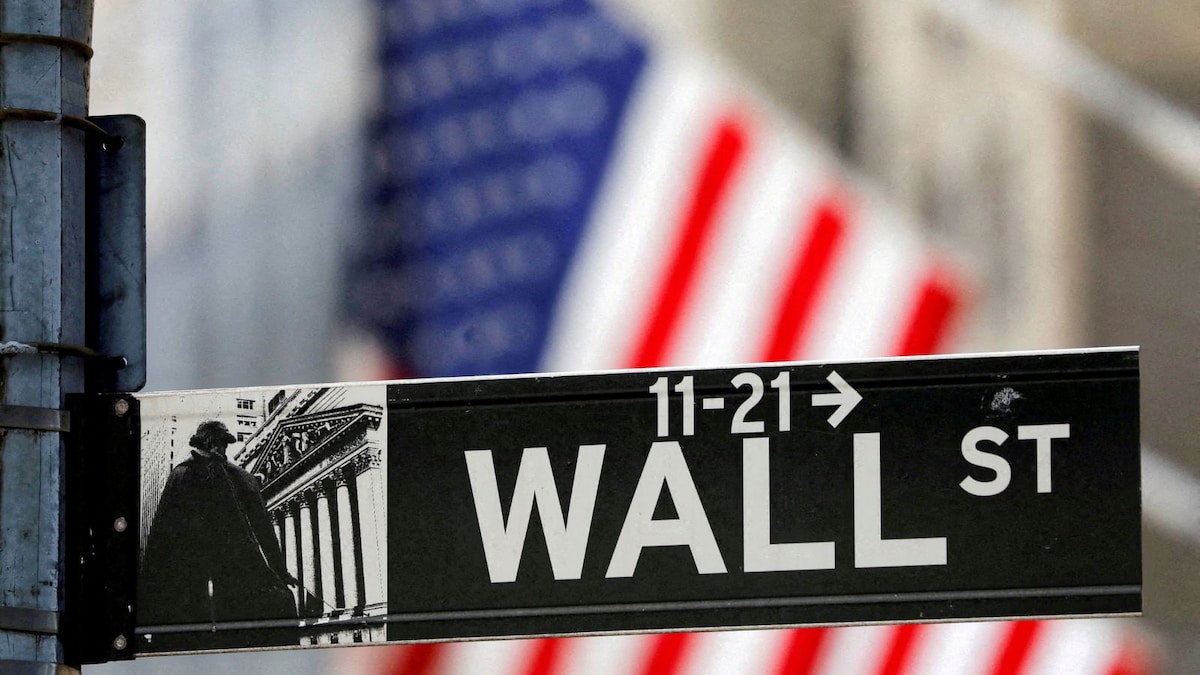
Ed Yardeni lowered his year-end forecast for the S&P 500 Index for the second time in roughly two months. He now expects the index to finish 2026 at 7,500. Yardeni said he did not expect the fear gauge to rise much further, given that there is no recession in sight.
Surging volatility and tighter semiconductor export curbs have deepened market anxiety, forcing a major downward revision to year-end equity forecasts. While artificial intelligence valuations face heavy scrutiny over debt-funded infrastructure spending, recession risks remain absent. Find out why experts still project a sharp multi-year market recovery ahead.
Wall Street is starting to look more tense, and market experts are underscoring the tension the markets.
US Equity strategist economist and the president of Yardeni Research, Ed Yardeni has lowered his year-end forecast for the S&P 500 Index for the second time in roughly two months. This comes to pass after a sharp selloff that pushed the benchmark into a technical correction.
YARDENI CUTS S&P TARGET
Yardeni expects the index to finish 2026 at 7,500, down from his September forecast of 7,900. Even so, that level would amount to a recovery of more than 8% from where US stocks closed on Friday.
Concerns about the sustainability of the AI trade have driven the S&P 500 lower for seven consecutive sessions, while the technology-heavy Nasdaq 100 Index recorded its worst week since March 2020.
According to a Bloomberg report, Yardeni said semiconductor shares also suffered after reports of tighter US export restrictions, introduced in response to allegations that Nvidia Corp. and other US companies had indirectly sold products to China.
BEAR MARKET UNLIKELY
When he cut his S&P 500 forecast in September, Yardeni adopted a more cautious stance on equities but anticipated that market reaction to this month's US midterm elections could create buying opportunities.
He said the index is unlikely to enter a bear market because there is no imminent threat of an economic downturn.
The report further added that the economist nevertheless remains optimistic about next year. He projects the S&P 500 will end 2027 between 8,500 and 9,000, representing a gain of up to about 30% from current levels.
Last week's steep decline also triggered a surge in the stock market's main volatility measure. The Cboe Volatility Index, commonly known as the VIX, climbed to its highest level since April 2025. However, Yardeni said he did not expect the "fear gauge" to rise much further, given that there is "no recession in sight."
MARKETS TODAY
US stock futures sought to rebound on Monday as Asian markets fell and authorities across the region prepared support measures following last week's severe sell-off in technology and chip stocks at the heart of the AI boom.
Investors are questioning whether the enormous sums -- largely borrowed -- spent on AI data centres will produce returns soon enough to repay lenders and substantial enough to justify some of the sector's lofty stock valuations.
The Nasdaq fell 10% last week, its steepest weekly decline since pandemic panic swept through markets in March 2020.
Nasdaq 100 futures gained nearly 3% in early trading on Monday, while S&P 500 futures rose 2%.