
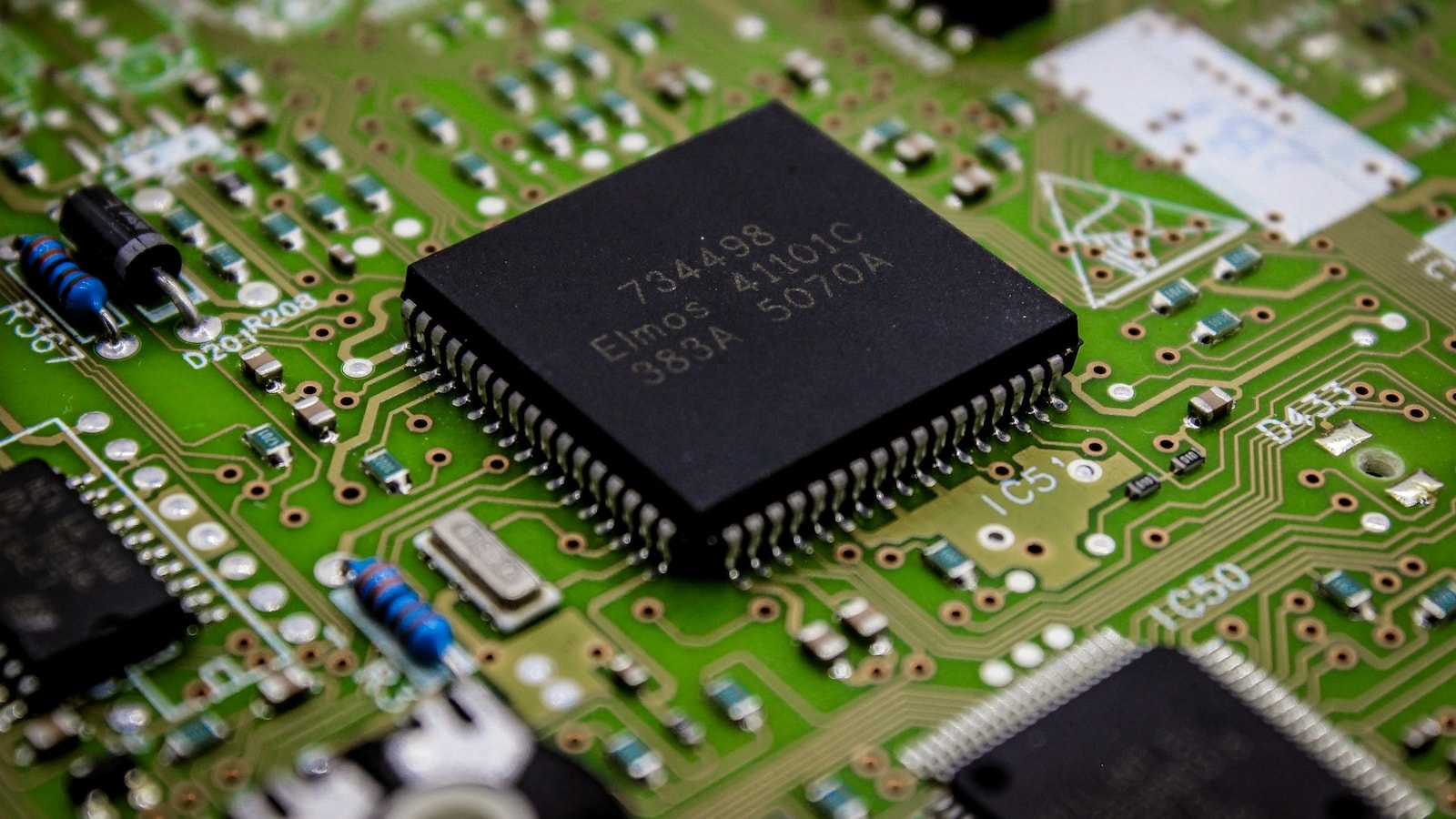
The Nasdaq Composite fell 0.2% on Friday as semiconductor stocks like Micron, SanDisk, and Intel traded lower. Investors got worried about Chinese competition and the future of AI investments. While the Dow Jones gained 188 points, many tech shares struggled, leaving the Nasdaq down 2.4% for the entire week.
US technology stocks remained under pressure on Friday as another sell-off in semiconductor shares weighed on the Nasdaq Composite, with Micron Technology, SanDisk and Intel trading lower amid concerns over Chinese competition and the sustainability of artificial intelligence (AI) investments.
The Nasdaq Composite fell 0.2% in Friday's session, while the S&P 500 edged up 0.1% and the Dow Jones Industrial Average gained 188 points, or 0.4%. Despite the broader market's modest recovery, technology stocks continued to struggle, leaving the Nasdaq down 2.4% for the week.
Shares of Micron Technology fell 2.60% to $907, while SanDisk declined 2.96% to $1,353.53. Intel shares were down 2.05% at $93.41, according to the latest available quotes at around 10:40-10:41 a.m. US Eastern Time on October 16.
The declines reflected continued weakness across the semiconductor sector. The VanEck Semiconductor ETF (SMH) fell more than 1% on Friday and was down nearly 9% for the week, with Micron, Advanced Micro Devices and SanDisk among the stocks weighing on the sector.
Investors have grown increasingly concerned about competition from Chinese chipmakers, adding to uncertainty over the outlook for companies that have benefited from the AI boom. Semiconductor stocks are particularly sensitive to shifts in demand, pricing pressures and expectations for spending on computing infrastructure.
The weakness also comes as investors reassess whether the enormous sums being invested in AI infrastructure will generate sufficient returns. Concerns about the financial sustainability of the data-centre boom have intensified following heavy selling in CoreWeave, a cloud-computing provider with significant debt.
CoreWeave shares dropped 15.5% on Wednesday before rebounding on Thursday after Nvidia CEO Jensen Huang expressed confidence in the company's financial position. However, the stock came under renewed pressure in Friday's premarket trading.
Speaking to reporters at an event in Stockholm, Huang said CoreWeave's financial strength was improving and that he did not see a need for Nvidia to provide financial support to the company.
Market analysts have cautioned that reassuring comments alone may not be enough to restore confidence. Investors will be looking for upcoming earnings from major technology companies to demonstrate that AI-related spending is translating into sustainable revenue and cash flow.
Inflation concerns have added another layer of uncertainty. US wholesale inflation rose 6.3% year-on-year in September, its biggest annual increase since 2022, amid a surge in energy prices linked to the US-Iran war.
Higher inflation could limit the Federal Reserve's room to ease monetary policy, keeping borrowing costs elevated and putting additional pressure on growth-oriented technology stocks.
With chipmakers facing competitive pressures and investors demanding clearer evidence of returns from AI investments, the technology sector remains vulnerable to further volatility.