
Chief Economic Advisor V Anantha Nageswaran warned against short-term trading and derivatives in India's stock market. He said the market should focus on long-term capital for business growth. With 93% of individual F&O traders suffering losses, he urged investors to avoid excessive risks and prioritize building wealth over quick profits.
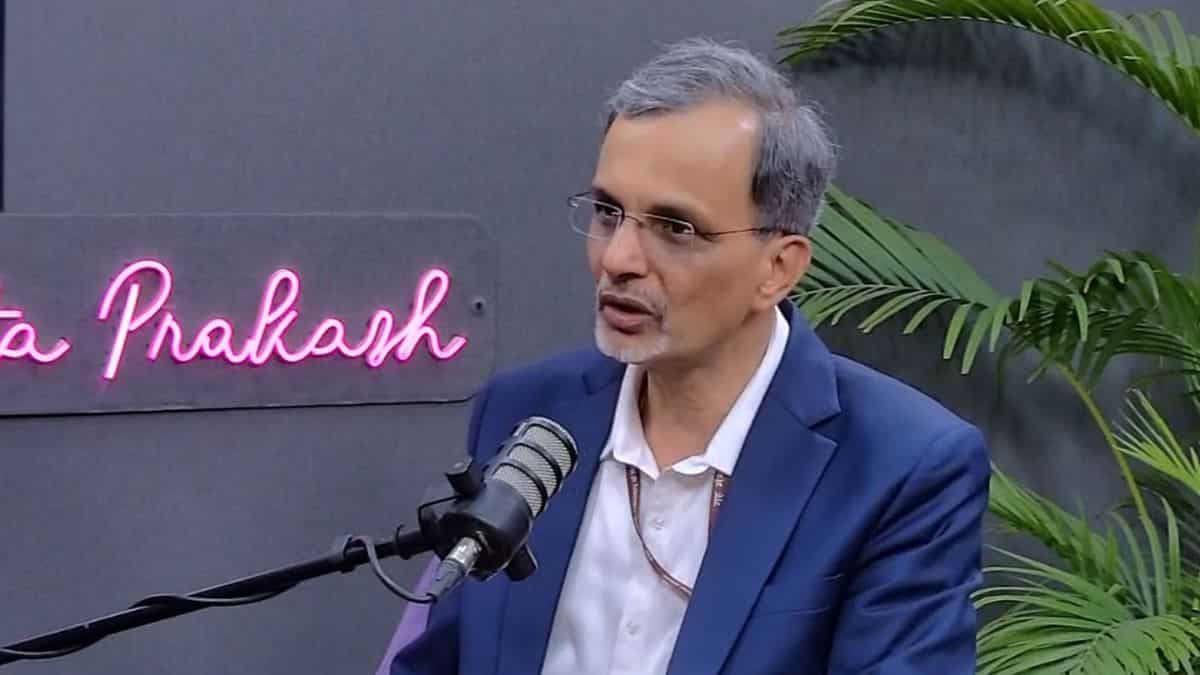
Chief Economic Advisor (CEA) V Anantha Nageswaran | Image Credit: ANI
Chief Economic Advisor (CEA) V Anantha Nageswaran has raised concerns over the growing trend of short-term trading, share buybacks and derivatives in India's stock market. He said the success of the capital market should not be judged by daily trading activity or turnover but by how much money it helps businesses raise for long-term growth.
Nageswaran also highlighted the rising participation of individual investors in the stock market and stressed the need to protect them from taking excessive risks, particularly in futures and options (F&O) trading.
His remarks come at a time when millions of Indians are opening demat accounts and actively participating in the stock market. While this growing interest is encouraging, he said the focus should be on building long-term wealth rather than making quick profits through frequent trading.
Short-term trading and derivatives
The Chief Economic Advisor said the increasing popularity of short-term trading and derivatives is not a healthy sign for the market. He pointed out that activities such as frequent buying and selling, share buybacks and rising F&O trading should not become the main focus of India's capital markets.
According to the figures highlighted by him, more than 20 crore demat accounts have been opened in the country. However, he stressed that having a large number of investors does not automatically mean that the market is supporting the economy.
The bigger requirement is to encourage long-term investment and ensure that companies can raise capital for business expansion, new projects and job creation.
93% of individual F&O traders suffered losses
Nageswaran also drew attention to the losses faced by individual investors in the futures and options segment.
According to the figures cited in his remarks:
* Around 93 per cent of individual F&O traders suffered losses.
* Their combined losses were approximately Rs 1.8 lakh crore.
* The figures highlight the risks involved in derivatives trading, particularly for small investors who may not fully understand the market.
He said there is a need to check whether investors have the knowledge and financial ability to participate in high-risk F&O trading.
The issue of investor suitability is important because derivatives can lead to heavy losses if market movements go against a trader's expectations.
Investors should know the risks before trading
The CEA stressed that investors should receive clear information about the possible returns as well as the risks before entering into trades.
He suggested that the suitability of investors should be examined before allowing them to participate in complex financial products such as futures and options.
Some important steps highlighted in this regard include:
* Risk awareness: Investors should be clearly informed about the possible returns and risks involved before placing a trade.
* Investor suitability: Their financial knowledge and ability to handle losses should be considered.
* Clear information: Trading platforms should provide proper details about possible returns and risks.
* Social media monitoring: Misleading investment promotions and false promises of quick profits should face stricter action.
He also expressed concern over the growing influence of social media in investment decisions. Many people are influenced by online tips, trading recommendations and claims of guaranteed returns without understanding the risks involved.
Market success should be measured by long-term capital
Nageswaran said the real success of India's capital market should be measured by the amount of long-term capital it helps businesses raise.
He indicated that high trading volumes and market turnover should not be treated as the main signs of a strong financial market.
Instead, the focus should be on whether the market is helping companies get funds for productive activities.
Long-term capital plays an important role in supporting business expansion, infrastructure development and job creation. It also helps companies raise funds for productive activities and plan their future growth.
Capital markets must support the real economy
The Chief Economic Advisor stressed that India's capital markets should remain closely connected to the growth of the real economy.
He said the purpose of the financial market should go beyond trading in shares and derivatives. It should help channel public savings into businesses and productive sectors.
His remarks underline the need for a balanced stock market where investors are protected, companies get access to long-term funds and financial activities support economic development.
With retail participation continuing to grow, the focus now needs to shift towards responsible investing, better risk awareness and long-term wealth creation rather than excessive short-term trading.