
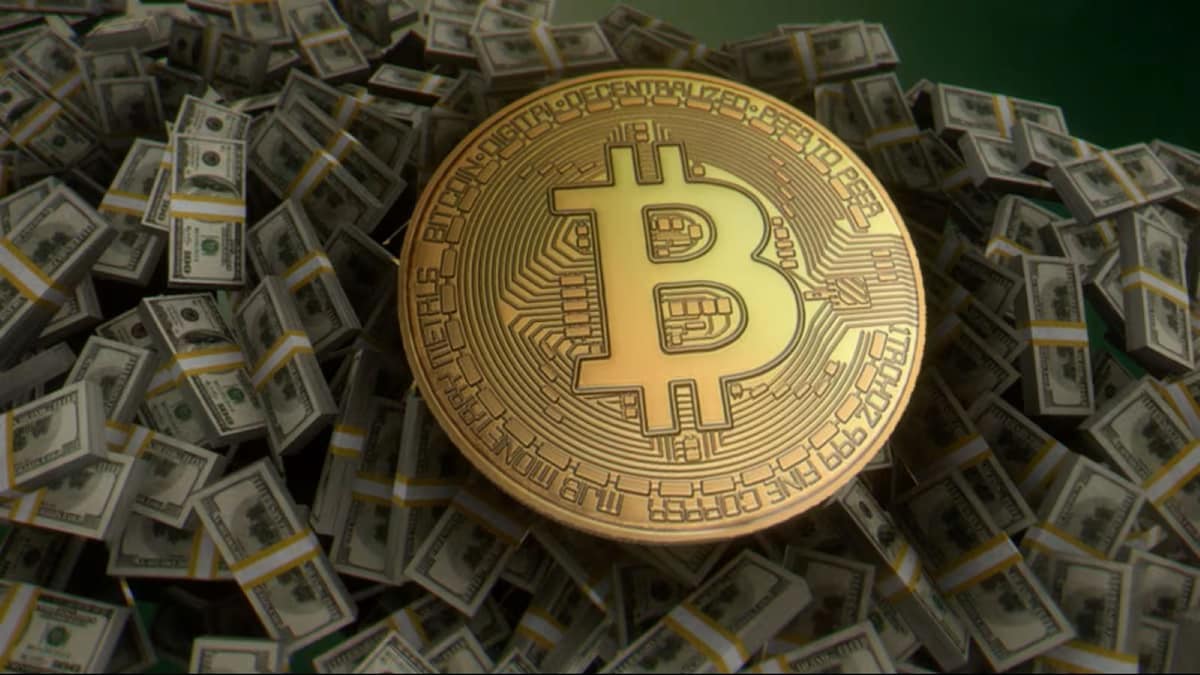
Bitcoin fell below $60,000 on Friday for the first time since July, hitting $59,850 on Binance. Traders expect the Federal Reserve to raise interest rates on December 9. Many investors pulled money from Bitcoin funds as higher rates made the cryptocurrency less attractive. Bitcoin also fell below its mining cost.
Bitcoin (BTC) fell below the $60,000 mark on Friday for the first time since July, touching a low of $59,850 on Binance less than an hour after Americans indicated that they expect inflation to ease.
The development, which would typically be seen as positive for riskier assets, did little to lift sentiment. Traders continue to price in a 97.9% probability of the Federal Reserve (Fed) raising interest rates on December 9, according to CME FedWatch data.
What have Americans said about inflation?
Americans now expect inflation to stand at 3.7% over the next 12 months, down from 4.7% in October, according to a University of Michigan survey. Lower petrol prices contributed to the improvement in inflation expectations.
The latest reading also put an end to bets on a more aggressive, half-percentage-point rate increase. A week ago, traders had assigned an 11.5% probability to a jumbo hike. By Friday morning, those odds had fallen to zero.
However, expectations of a smaller rate increase remain firmly in place. Such a move would extend the Fed's rate-hiking cycle, which began with its first increase in three years in September.
Why is Bitcoin still falling?
Higher interest rates tend to weigh on assets that do not generate income. Like gold, Bitcoin does not pay interest, making it less attractive to investors when returns on interest-bearing assets rise.
Institutional investors are also pulling money out of the market. US-listed Bitcoin funds have recorded outflows of around $3.47 billion this month, including a record $541 million withdrawal from BlackRock's fund.
Bitcoin had already fallen to its estimated mining cost of $62,000 on Thursday. Friday's decline pushed the cryptocurrency further below that level.
Gold also slipped following the survey's release, although it later recovered some of its losses.
Is the Fed responding to easing inflation expectations?
Not yet. Minutes from the Fed's October meeting showed that several officials remained concerned that inflation could prove persistent, even if petrol prices continued to decline.
Fed Governor Christopher Waller has also continued to advocate a half-percentage-point rate increase.
"If you really want to get it down, you've got to start taking more aggressive actions," the Associated Press reported, quoting Waller.
Despite the improvement, Friday's survey suggests that inflation expectations remain elevated. Both measures are still above the levels recorded before the Iran war began in February.
The Fed's preferred inflation gauge is due on November 25. On December 9, Bitcoin investors will find out whether policymakers share the optimism reflected in the latest consumer survey.