
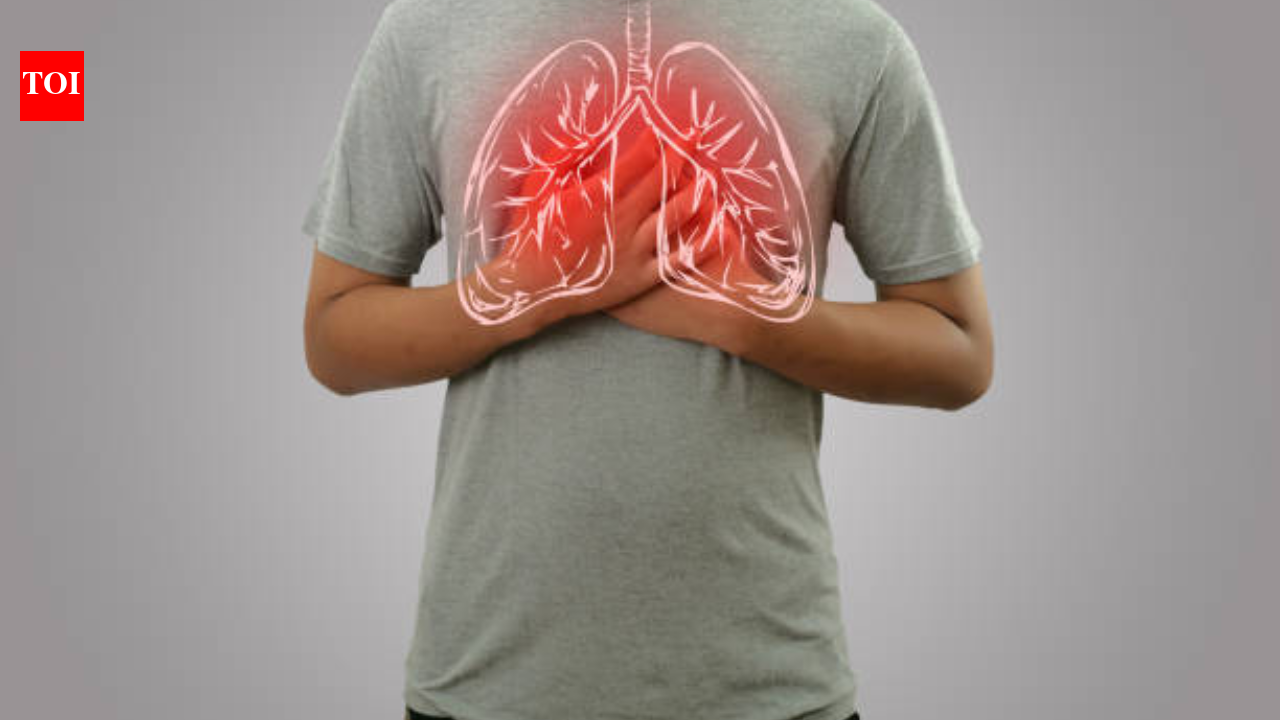
Everyday habits like smoking, vaping, and exposure to air pollution can slowly damage your lungs. Medical experts said that tobacco smoke contains many harmful chemicals that lead to cancer. You should keep your home smoke-free and check air quality levels to protect your health and avoid long-term lung issues.
Our lungs work every minute of the day, bringing oxygen into the body and removing carbon dioxide. Yet our everyday habits and surroundings can slowly damage the airways and lung tissue, often without any warning signs until the damage is advanced. As a medical oncologist with a special interest in lung cancer, I believe it is important for everyone to understand these risk factors and take simple, practical steps to protect their lungs over the long term.
1. Smoking and tobacco use
Smoking is the single largest preventable cause of lung cancer. Tobacco smoke contains thousands of chemicals, many of which damage the DNA in lung cells. Over time, this damage can lead to abnormal cell growth and cancer. Smoking is also a major cause of chronic bronchitis and emphysema, together known as chronic obstructive pulmonary disease (COPD). No form of smoking is safe. Cigarettes, bidis, cigars, pipes and hookah (sheesha) all expose the lungs to harmful smoke; a single hookah session can involve inhaling a large volume of smoke. The good news is that quitting at any age improves health and lowers the risk of disease in the years that follow.
2. Exposure to second-hand smoke
Inhaling second-hand smoke can cause damage to your lungs as you are breathing in the same harmful chemicals as the person smoking. This can increase your risk of lung cancer even if you have never smoked. It can also aggravate asthma and other lung issues. Avoid places where people are smoking whenever possible. Keep your home, workplace and car completely smoke-free. Take special care to protect children, pregnant women and older adults, who are the most vulnerable.
3. Vaping and e-cigarette use
Although e-cigarettes are often advertised as a safe alternative, they can actually be harmful. E-cigarettes contain chemicals such as nicotine, ultrafine particles, heavy metals and flavourings which can cause irritation and inflammation to the airways. There is still research being done around the long-term effects of vaping so it is best to avoid. If you want to quit smoking ask your doctor for evidence-based support such as counselling and licensed medications.
4. Ignoring outdoor air pollution
Outdoor pollution can cause fine particles (PM2.5), and gases to get deep into your lungs. This can cause chronic respiratory issues and increase your risk of lung cancer even if you have never smoked. Check the Air Quality Index (AQI) in your area. Especially in the winter and during festivals. Avoid vigorous exercise outdoors when pollution levels are high. Try to avoid being in areas with heavy traffic. Keep your windows shut in your car when you are stuck in heavy traffic. On very poor air quality days wear a well-fitting N95 mask. If you have any lung issues follow your doctor’s advice.
5. Burning waste, crop residue and firecrackers
Burning waste causes thick smoke and harmful chemicals. Using fireworks causes sudden bursts of ultrafine and metal smoke. Try to avoid burning waste at home. Celebrate in an eco-friendly way. Keep your windows shut if there is a lot of smoke.
6. Smoke from biomass fuel, incense and mosquito coils
Using traditional chulha (stoves) with biomass fuels (wood, cow dung, coal, Crop Residue) can cause a lot of indoor smoke. This is an important cause of COPD and lung diseases, especially in women in rural communities. Using incense sticks and mosquito coils regularly will cause fine particles in the air. Try to use a cleaner fuel source such as LPG or electricity, ensure good ventilation and try to use safer alternatives such as mosquito nets and electric repellents.
7. Workplace dust and chemical exposure
Some jobs involve you being exposed to regular amounts of asbestos, silica, coal dust, diesel fumes, welding fumes, cotton dust and industrial chemicals. Those in construction, mining, stone cutting, textiles, agriculture and factories are at greater risk. Inhaling these can cause serious lung diseases such as silicosis, asbestosis and occupational asthma. It can also increase your risk of lung cancer. Employers: Employers should provide good ventilation, dust control and respiratory protection. Employees: Employees should wear the correct protective equipment. Attend health checks at work. Report any ongoing coughing, wheezing or breathlessness. Hobbies such as spray painting, woodworking and using strong glues or solvents carry similar risks, so work in well-ventilated areas and use a suitable mask.
8. Unrecognised Radon exposure
Radon is a natural gas that cannot be seen or smelled. It can penetrate through the ground into buildings, especially basements and ground floors with poor ventilation. It is one of the leading causes of lung cancer in non-smokers. Smokers are at much higher risk. Good ventilation will help to decrease radon levels. Testing can be done in areas where it is known to be a problem.
9. Neglecting respiratory infections
Infections such as flu, pneumonia, COVID-19 and tuberculosis can cause serious lung issues. Elderly people, young children and anyone with pre-existing conditions (such as diabetes, heart disease and lung disease) are more at risk. Don’t ignore symptoms such as a high temperature, worsening cough and difficulty breathing.
10. Leading a sedentary lifestyle
Keeping active will keep your heart and lungs healthy and help your body make the most of oxygen. Sedentary lifestyles will cause a lack of stamina and lung capacity. Being overweight can make breathing harder. Choose an activity that suits your fitness level such as brisk walking, cycling, swimming or yoga and increase your activity. Breathing exercises can help. Stop exercising if you feel out of breath, chest pains or dizziness and speak to a medical professional.
How can you protect your lung health?
Avoid any tobacco. Ensure your environment is smoke free. Limit exposure to pollution, dust and chemical fumes at home and work. Ensure you have good ventilation and always use clean cooking fuels indoors. Be active and keep a healthy weight. Eat a healthy diet with lots of fruit,vegetables and drink plenty of water. Always take your vaccinations up to date. Attend regular health checks. If you have a lung issue, take your medication as prescribed
When should you consult a doctor?
Seek medical advice if you notice any of the following: Cough for more than 3 weeks or change in long term cough, Coughing up blood.
Join conversation
Share your thoughts in the comments
Be respectful · TOI community guidelines
Persistent chest pain. Increasing shortness of breath or wheezing, Repeated chest infections. Persistent hoarse voice, Unexplained weight loss, loss of appetite or fatigue. Seek immediate help if you experience severe shortness of breath, chest pain or blue lips/fingers. Depending on your symptoms and risk factors your doctor may suggest tests for example a chest x-ray or CT scan or lung function tests. Low dose CT scanning can help detect lung cancer at an early stage but is only recommended if you are at high risk for example elderly patients with a long history of heavy smoking. Your doctor will be able to advise you if this would be appropriate.Dr. Sireesh Kumar C H, Consultant – Medical Oncology, Apollo Hospitals, Bannerghatta Road, Bengaluru