
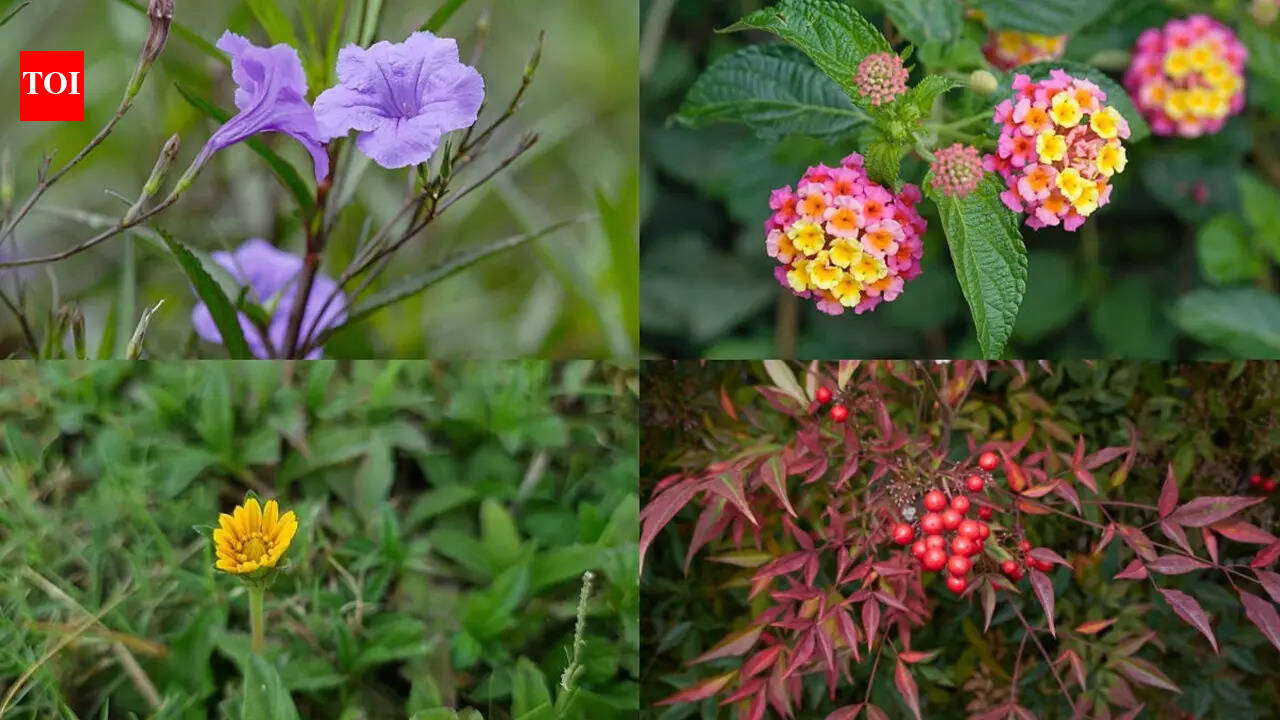
Florida’s warm climate helps eight popular garden plants spread far beyond backyards into natural habitats. These invasive species, including Mexican petunia and lantana, crowd out native plants and cost a lot to remove. Experts suggest using native alternatives, as many of these common shrubs are hard to control once established.
Florida's warm, humid climate is a gardener's dream, but it also helps some ornamental plants grow far beyond where they were planted. Many were chosen for bright flowers, fast growth and toughness, and those same traits let them escape through seeds, runners and hungry birds into wetlands, forests and roadsides. There, they crowd out native species and cost a great deal to remove. According to the University of Florida's IFAS Center for Aquatic and Invasive Plants, track such species. Here are eight garden plants flagged as invasive in Florida and why they are harder to control than homeowners expect.
Loved for its purple, petunia-like flowers and its ability to grow almost anywhere, the Mexican petunia spreads through underground stems and seed pods that burst open and scatter seeds. It forms dense mats along ditches, wetlands and forest edges, pushing out native plants. Even small root pieces can regrow after removal, which makes control a long job. Sterile or native alternatives are often suggested for home gardens.
Lantana is popular for its colourful flower clusters and the butterflies they attract. Birds eat its berries and spread the seeds widely, so the plant can quickly take over pastures, natural areas and disturbed land. All parts of the plant are toxic to pets, livestock and people if eaten, so it needs careful handling. Many nurseries now sell sterile or less aggressive varieties, which are a safer choice for gardens.
Nandina is a common hedge and border shrub, admired for its red berries and graceful foliage. Birds carry the berries into nearby woodlands, where the shrub can form dense thickets that shade out native understory plants. The berries are also toxic to some birds and animals. Gardeners who want a similar look can use native shrubs instead, which support local wildlife without the risk of spreading into natural areas.
Often grown in hanging baskets and garden beds for its soft, feathery texture, asparagus fern behaves very differently in the wild. It climbs and sprawls over native plants, smothering them. It spreads through seeds eaten by birds and through underground tubers, which makes it difficult to dig out completely. The plant also has small thorns and can irritate the skin, so wear gloves whenever you handle it.
Coral ardisia is a shade-loving shrub with glossy leaves and bright red berries that look festive in a garden. Birds and other animals spread the seeds into forests, where seedlings carpet the ground and crowd out native species. Since it thrives under tree canopies, it can be especially hard to control once it has settled in. Removing seedlings early, before they set berries, is the best way to stop its spread.
Sold as a quick, low-growing groundcover with cheerful yellow flowers, wedelia spreads rapidly by creeping stems that root wherever they touch the ground. It can smother native groundcovers and creep from neighbouring lawns and beds into natural areas. Even small pieces thrown out with yard waste can start new patches, so dispose of cuttings carefully, in sealed bags rather than in woods or vacant plots.
This floating plant with lavender flowers has long been used in backyard ponds and water gardens. In Florida's lakes, rivers and canals, it multiplies at astonishing speed, forming thick mats that block sunlight, reduce oxygen, hinder boats and harm aquatic wildlife. Never release pond plants into local waterways. If you keep a pond, check local rules about which aquatic plants are allowed and how to dispose of extras responsibly.
Chinese tallow was once planted widely as a fast-growing shade tree with attractive fall colour. Its seeds spread readily, and it invades wetlands, prairies and forests, where it can displace native trees. Because it grows quickly and resprouts, removing mature trees takes time and effort. Native shade trees are generally better choices for homeowners, and a local extension office can suggest species suited to your soil, sunlight and space.