
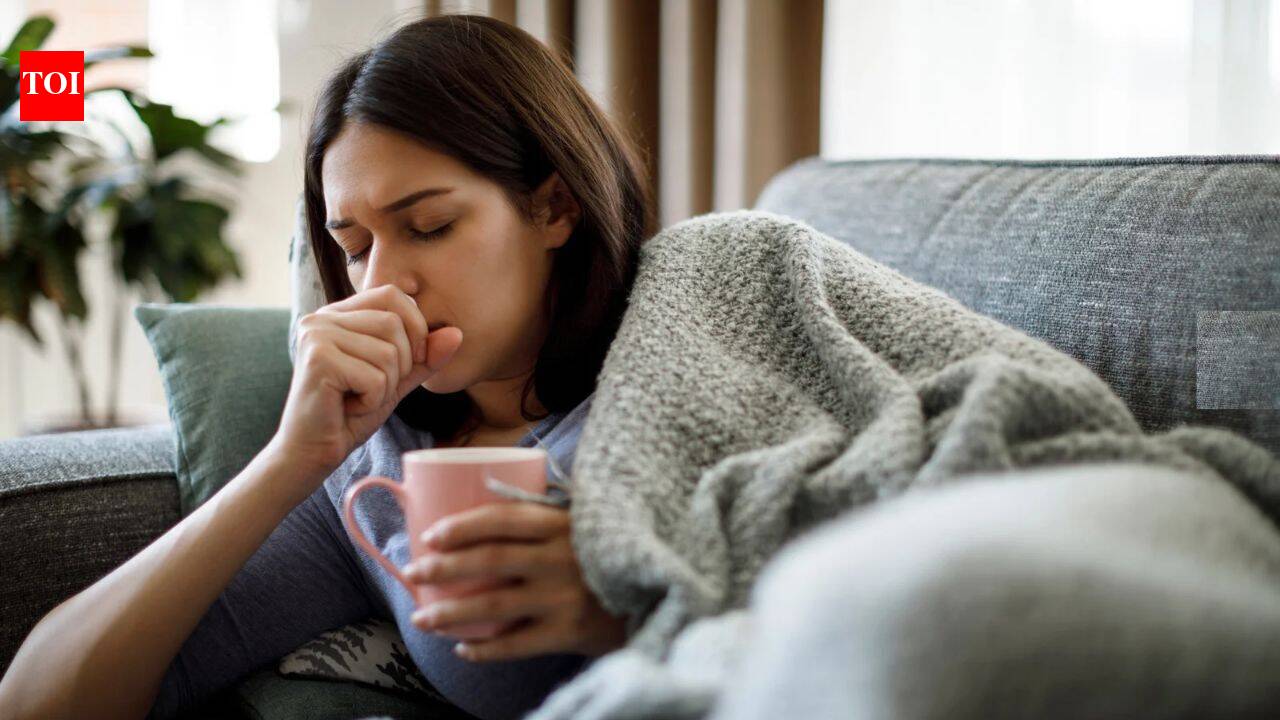
Persistent coughs are lasting longer due to rising air pollution levels. Dr. Partap Chauhan said, "Fine particles, especially PM2.5, are very small and are able to penetrate deeply into lungs." Constant exposure to dust and smoke irritates airways, making recovery difficult. Experts suggest checking for other underlying health conditions too.
With increasing air pollution levels, particularly in connection with WH-changing environmental conditions, people are finding that their cough persists longer than usual. They may be familiar with such a cough which lasts for days or even weeks, which is usually marginalised as a seasonal illness. However, persistent cough may also be a consequence of prolonged exposure to harmful, polluted air, dust, and smoke. Dr Partap Chauhan, world-renowned Ayurvedacharya and founder of Jiva Ayurveda, explained pollution's impact on respiratory health
How does pollution affect your respiratory system?
Air pollution consists of poisonous substances and gases that can irritate the respiratory systems. Fine particles, especially PM2.5, are very small and are able to penetrate deeply into lungs, causing inflammation and enhancing the sensitivity of the lungs. It is to be noted that the prolonged exposure to air pollution can lead to conditions like coughing, mucus production, irritation of the throat or wheezing. Individuals who suffer from asthma, bronchitis or other diseases might get worse because of the air pollution.
Why does your cough keep coming back?
Coughing can be viewed as a protective mechanism of the body, meant to eliminate irritants from the lungs. Constant exposure to irritants can cause airways to be irritated all the time: that is why cough may not go away after exposure has ceased. Environmental causes are not the only possible reason. Allergies, respiratory infections, asthma and other causes may lead to persistent cough. Hence, any prolonged cough should not be attributed just to environmental pollution. Finding the cause of the cough is crucial for its treatment.
An Ayurvedic perspective on respiratory health
Based on Ayurveda, respiratory health is linked to Vata and Kapha dosha balance. Factors in the environment, lifestyle habits and seasonal changes can affect the said balance. In case the Kapha dosha increases, it may lead to increased mucus production and congestion. At the same time, aggravated Vata dosha may cause dryness and irritation. Ayurveda focuses on following a daily regime, eating right and modifying habits based on the season to improve wellness. Usage of warm water, homemade food and the use of certain herbal products may be among the key points of wellness in Ayurveda. But all these factors should be based on an individual’s health condition and will not be a replacement or substitute for proper treatment.
Everyday habits that can help protect your lungs
Some minor alterations in everyday practices can reduce your contact with environmental irritants: ● Be aware of air quality: Check AQI on a daily basis and stay away from outdoor activities when contaminant levels are elevated. ● Make use of a face mask: Wear a correctly sized N95 or N99 mask. ● Drink a lot of water: Make sure you drink enough water. ● Keep your indoor air clean: Ensure tidiness of your house, do not let dust accumulate and improve ventilation. ● Refrain from doing exercises in open air: You need to conduct sports indoors in case air quality worsens. ● Do not smoke: Because the smoke will only aggravate your condition.
When should you take a persistent cough seriously?
If a cough persists for weeks, reoccurs frequently, or is associated with wheezing and/or discomfort in the chest and difficulty breathing, then a physician should be consulted. Coughing up blood, having trouble breathing, or being in severe pain in the chest, all require immediate medical care. Children, the elderly, pregnant women, and people suffering from prior illnesses should be doubly careful during bad air days. Maintaining respiratory health requires more than just treating the symptoms after they manifest. It involves taking steps to minimise pollution exposure, having the right daily habits, and getting proper medical help in a timely manner.