
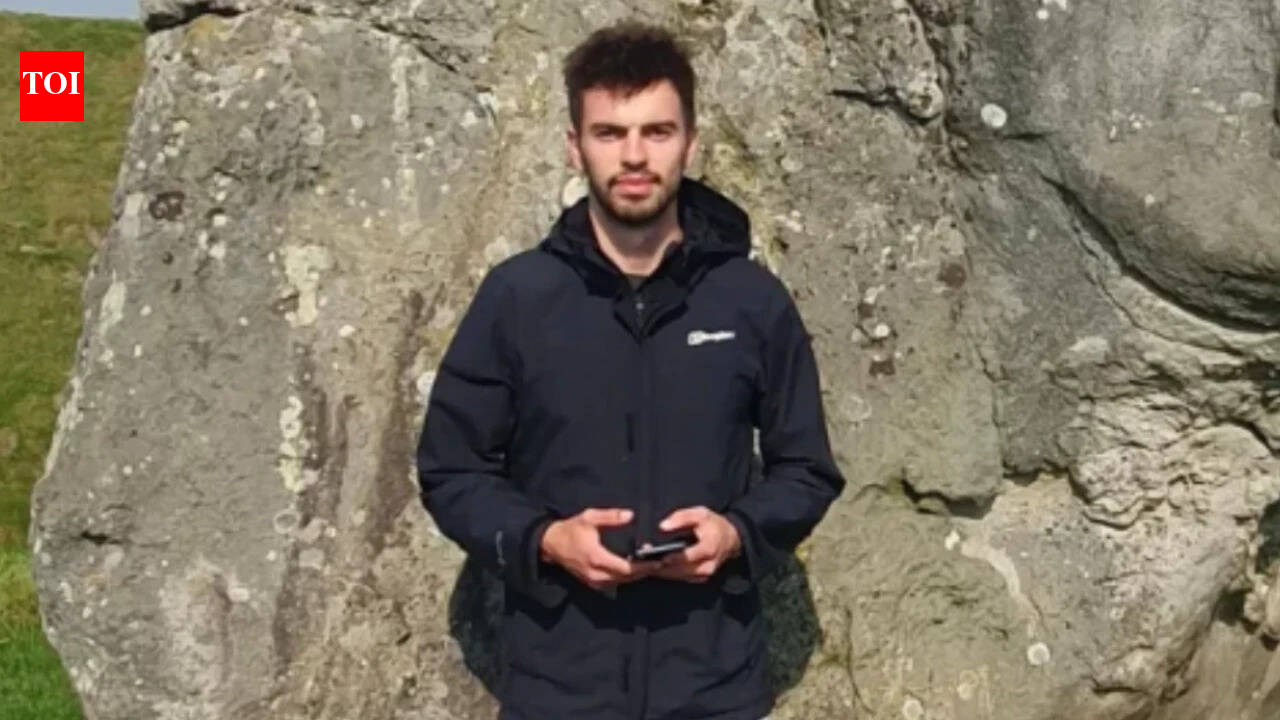
Former child actor William Chapman died after entering a tiger enclosure at Yorkshire Wildlife Park on Saturday. The incident occurred shortly after 13:30 BST. Police confirmed he died at the scene. The park got evacuated as officials started a health and safety investigation to review security and visitor boundary rules.
A visit to a wildlife park is about getting closer to nature. Visitors watch animals from designated viewing areas, take photographs and learn about species they might never encounter in the wild. But a recent incident at Yorkshire Wildlife Park near Doncaster, England, has brought attention to an important question: how safe are these spaces when visitors cross the boundaries designed to protect both humans and animals?
William Chapman, a man in his mid-20s and a former child actor, died after entering a tiger enclosure at the park on Saturday. The incident has prompted a health and safety investigation, renewed calls to examine enclosure security and difficult questions about the limits of human interaction with wild animals.Beyond the tragedy itself, the incident highlights a subject that wildlife parks must constantly address: the difference between observing a powerful animal and entering its territory.
How the incident unfolded at Yorkshire Wildlife Park
According to BBC reporting, Chapman visited Yorkshire Wildlife Park alone and entered the tiger enclosure shortly after 13:30 BST on Saturday. South Yorkshire Police confirmed that he was pronounced dead at the scene.
An eyewitness, said she had seen Chapman pacing near the enclosure with his headphones in.
A few minutes later, she noticed him climbing over the barriers.
She said a woman was nearby talking to him before he entered the enclosure and approached the tiger, which was sitting on a wooden platform. She later witnessed the animal grab him.Other visitors reportedly tried to distract the tiger, including one person who banged on a fence. Their efforts did not stop the attack.Mobile phone footage, believed to have been recorded by Chapman, appeared to show the inside of the enclosure as he approached the animal. The social media account associated with the footage has since been removed.The park was evacuated following the incident and remained closed while investigations continued. Police said Chapman's family had been informed and was receiving support from specialist officers.The circumstances surrounding his decision to enter the enclosure have not been fully established in the information reported by the BBC. It would therefore be premature to draw conclusions about his intentions.
Why tiger enclosures are designed to maintain distance
Wildlife parks allow visitors to observe animals while keeping a physical separation between them. That separation is not merely a precaution against an unexpected attack. It recognises that wild animals behave according to their own instincts, needs and surroundings.
Amur tigers, the species involved in this incident, are large predators. Their behaviour cannot be reliably predicted by watching their movements from a visitor walkway. Even an animal that appears calm or remains still can respond differently when a person enters its space.A tiger resting on a wooden platform may look unthreatening to someone watching from a distance. But that appearance does not mean the animal is comfortable with a person approaching it.Unlike domesticated animals, tigers have not been bred for routine interaction with humans. Their responses can depend on factors such as proximity, movement and the immediate situation. No visitor can safely assume that a tiger will remain passive simply because it has been living in a managed environment.This is why barriers, viewing platforms and restricted areas matter. They create distance between people and animals whose strength and behaviour can make direct encounters extremely dangerous.The same principle applies to other wildlife attractions. Feeding barriers, viewing windows and designated pathways are part of the safety arrangements that allow visitors to observe animals without entering their living spaces.
What happens to the tiger after a fatal encounter?
One of the immediate concerns following an incident involving a large predator is the fate of the animal itself. In this case, Yorkshire Wildlife Park confirmed that the Amur tiger, named Altai, remained in its enclosure and would not be euthanised.
The decision not to euthanise Altai also reinforces a wider point: preventing dangerous encounters is more useful than treating the destruction of an animal as an automatic response after one occurs.Disclaimer: This article is based on reporting by the BBC and statements attributed to the relevant authorities, wildlife park and organisations. The circumstances surrounding the incident remain subject to investigation.