
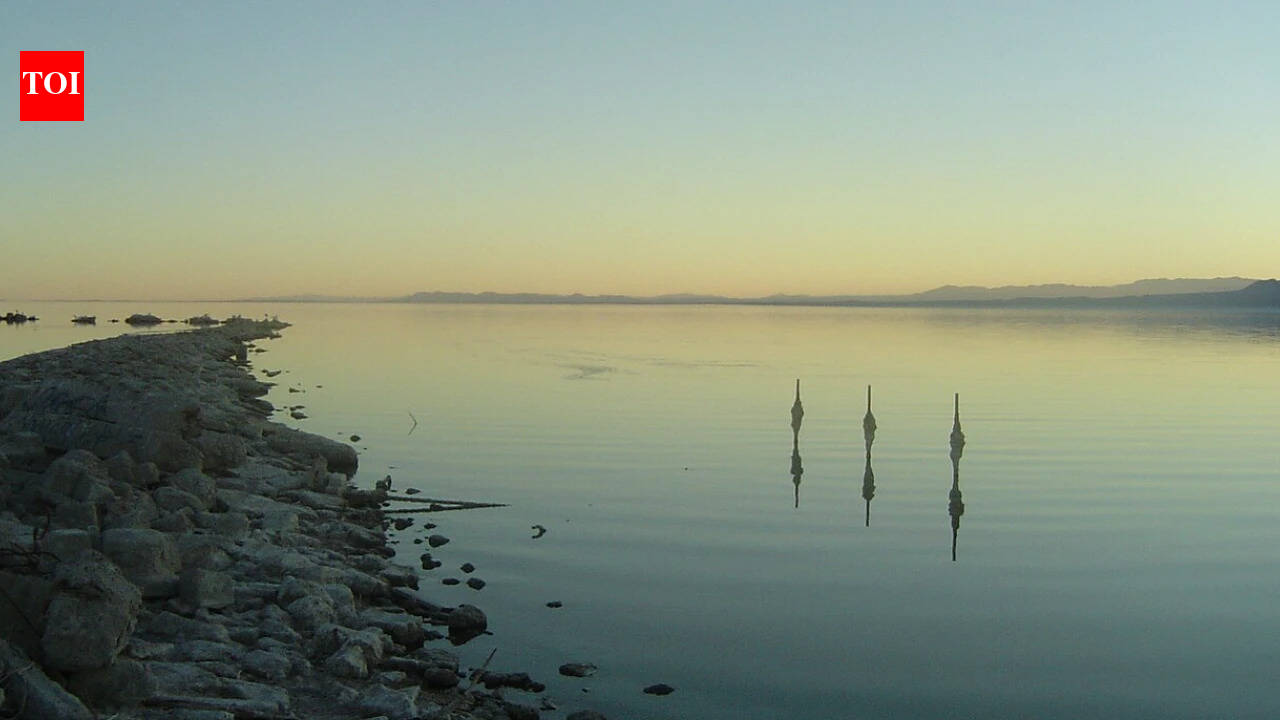
California launched the Salton Sea Conservancy in April 2026 to manage restoration projects as water levels fall. The state committed more than $500 million to fix dust issues and protect the area. This lake remains vital, as it still shelters more than 400 bird species on the Pacific Flyway today.
As stated in the Salton Sea Program, California's Salton Sea is facing an environmental challenge that affects both wildlife and nearby communities. As water levels fall, more of the lakebed is left exposed, allowing wind to carry dust into the surrounding areas and raising concerns about air quality. The shrinking water body also faces rising salinity and declining habitat conditions, putting pressure on the fish and other wildlife that depend on it. Despite these problems, the Salton Sea remains an important habitat along the Pacific Flyway, a major north-south migration corridor along western North America.
According to Audubon, more than 400 bird species rely on the sea as habitat. The existing wetlands and open water in the sea are used by both resident and migratory birds as a place to feed and rest. This makes restoration essential not only for the welfare of wildlife, but also for the communities living near the area. According to California's Governor's Office, to date, California has made a commitment worth more than $500 million in state and federal funding for the restoration and management of the Salton Sea. In April 2026, California launched the Salton Sea Conservancy, a state agency that will operate and maintain the restoration projects the Salton Sea Management Program completes, according to the Salton Sea Program.
A shrinking lake leaves more exposed lake bedThe Salton Sea, located in southeastern California, is the state's largest lake. There has been a reduction in the volume of water due to less drainage into the lake from agricultural activities. As the water volume decreases, there is an increase in salinity and exposure of the lakebed. When there are winds blowing over the exposed land area, the particles of dust are raised up and become part of the air pollution problem in the surrounding areas.But despite all these difficulties, the Salton Sea continues to be an important stopover point on the Pacific Flyway, which runs from North to South across Western North America. According to Audubon, over 400 types of birds rely on the lake for their habitat. It becomes an important aspect of the restoration plan to conserve what little habitat is left.Restoration projects are taking shapeCalifornia established the Salton Sea Management Program in 2018 as a 10-year plan for habitat restoration and dust suppression on exposed lakebed. By April 2026, the state had secured more than $500 million in combined state and federal funding for the program, according to the Governor's Office, as reported by the Imperial Valley Press. The funding is meant for a wide range of activities but not necessarily construction of one project.
One of these projects is the Species Conservation Habitat Project. It involves ponds, berms, nests and loafing islands, together with water delivery systems to benefit the fish and birds while creating shallow water habitat on exposed lakebed. California expects that the project will cover over 9000 acres upon completion.
Construction of East Pond Expansion filled with water on May 22, 2025The conservancy is designed to operate and maintain restoration projects once they are built. They are responsible for operating and maintaining those projects, coordinating with public agencies and engaging local communities. This organisation controls the land and water rights necessary for the restoration projects. The future of Salton Sea depends not only on constructing but also on managing these projects. Habitat restoration, dust separation and management of completed projects will all require constant effort. This organisation provides the State of California with such an opportunity.