
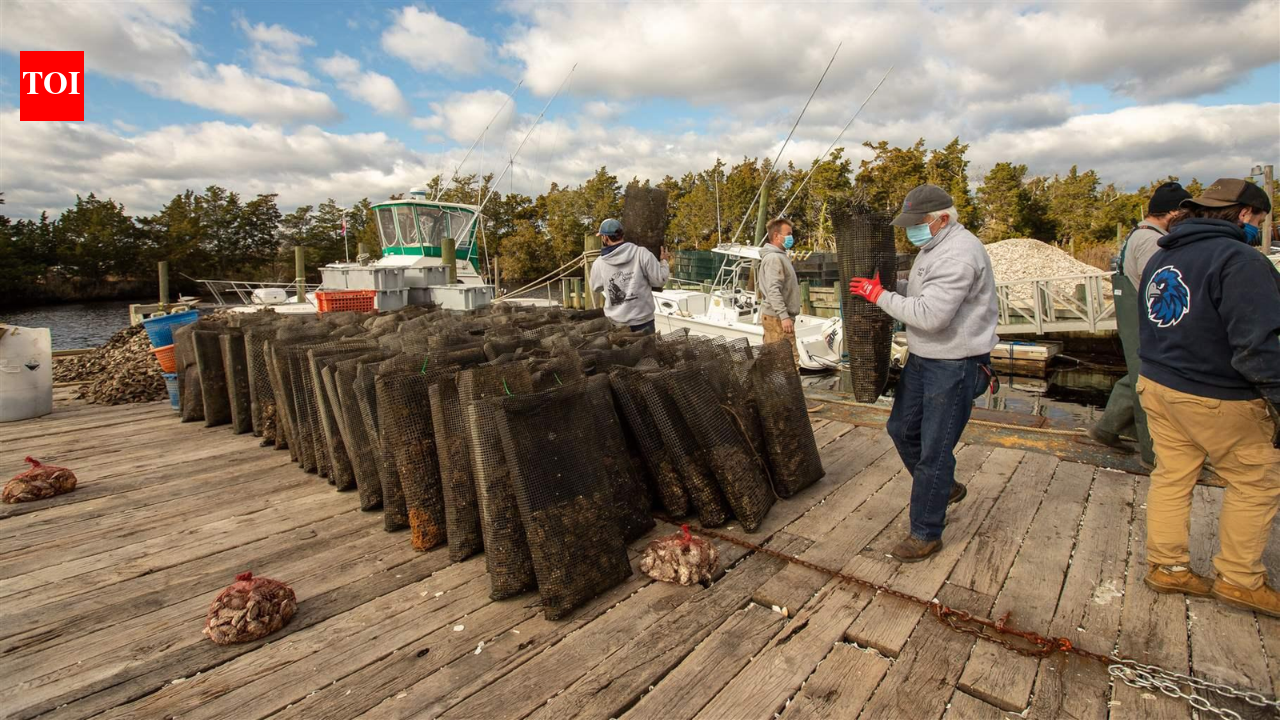
When restaurants closed in 2020, US oyster farmers were left with millions of unsold shellfish. Since then, the SOAR programme has bought over 7 million oysters for 35 reef sites. This initiative helped protect more than 1,000 aquaculture and related jobs, turning a pandemic crisis into a successful conservation effort.
When restaurants across the United States shut down during the COVID-19 pandemic in 2020, oyster farmers suddenly lost their biggest market, leaving millions of shellfish unsold and threatening coastal livelihoods. What began as an emergency effort to help struggling growers has since developed into a conservation programme that uses farmed oysters to rebuild damaged marine habitats.
According to an October 26, 2026, report by The Pew Charitable Trusts, the Supporting Oyster Aquaculture and Restoration (SOAR) programme has purchased more than 7 million oysters from over 150 growers since 2020. The initiative has supplied oysters and shells to 35 restoration sites across eight states, helped regenerate more than 60 acres of native oyster reefs and helped protect more than 1,000 aquaculture and related jobs. Its approach is now documented in a new handbook intended to help other communities replicate the model.
How the pandemic crisis created an opportunity for restoration
Oyster farming depends heavily on restaurants, which account for a substantial share of the market for these shellfish. When dining establishments closed during the pandemic, farmers found themselves with large quantities of oysters they could not sell through their usual channels. The unsold stock represented not only lost income but also years of investment and labour.
At the same time, wild oyster populations along US coastlines had declined significantly because of overharvesting, habitat destruction, pollution and disease. In many areas, the decline was so severe that natural reproduction alone could no longer replenish these populations.
The crisis presented an opportunity to address both problems through one intervention. Developed jointly by The Pew Charitable Trusts and The Nature Conservancy, SOAR began purchasing surplus farmed oysters and redirecting them to suitable restoration sites. The programme also received financial support from Builders Vision and the National Fish and Wildlife Foundation. Instead of allowing unsold oysters to become a financial loss for growers, the initiative created an additional market while supplying material for rebuilding native reefs.
From emergency purchases to 35 restoration sites
SOAR's initial work focused on connecting oyster farmers with restoration projects that could use their shellfish. The programme began in New Hampshire's Great Bay, working with local shellfish farms and the University of New Hampshire to support reef recovery.The approach subsequently expanded to other coastal locations, including New Jersey's Barnegat and Delaware bays. Partners coordinated purchases, transport and deliveries to restoration sites, while working with state agencies, researchers and industry representatives to determine where the oysters could be deployed effectively. The programme established standards for participating growers, oyster quality, inspections and deployment schedules. These measures helped ensure that purchased oysters were suitable for restoration and that deliveries aligned with farming practices and ecological requirements.According to Pew, the initiative has now engaged more than 150 growers and supplied oysters to 35 restoration sites in eight states. The purchases included approximately 1.4 million farmer-grown spat on shell, clusters of young oysters attached to shells that can help establish new reef populations. One project involved collaboration with the Squaxin Island Tribe and the Puget Sound Restoration Fund in Washington state to replant about 71,000 adult native Olympia oysters in Palela Bay. Other efforts have supported reef restoration in Maryland and New York.
Why rebuilding oyster reefs matters
The programme's impact extends beyond helping farmers recover financially. Oyster reefs perform several ecological functions that support coastal environments and communities. Adult oysters filter water as they feed, removing pollutants. When oysters form dense reefs, these structures provide food and shelter for fish, crustaceans and other marine organisms. Healthy reefs can also help reduce shoreline erosion by absorbing wave energy and buffering coastal areas against storms.These benefits are particularly important as coastal communities contend with erosion and increasingly severe weather. Restoring native oyster populations can contribute to healthier marine habitats while supporting the livelihoods of people who depend on coastal industries.SOAR's experience also demonstrates how aquaculture, often associated primarily with food production, can contribute to conservation. Farmed oysters can supplement restoration efforts by providing shellfish that are ready to be transferred to suitable sites, although successful reef recovery also depends on local environmental conditions and appropriate restoration planning.
A handbook aims to help other communities replicate the model
After six years of work, SOAR's partners have compiled their experience into a handbook titled Partnering With Oyster Growers to Rebuild Reefs. The guide outlines how communities can establish similar partnerships between shellfish farmers, conservation organisations, funders and natural resource managers. It includes case studies, a development checklist and practical advice on selecting restoration sites, establishing partnerships, coordinating purchases and measuring environmental and economic outcomes.
The broader SOAR initiative has also expanded beyond its original oyster purchase programme. Its Shellfish Growers Resiliency Fund, launched in 2021, has supported 83 farmer-led projects. Workforce development efforts in 2025 and 2026 have also helped create opportunities for people entering the shellfish industry through internships, training and professional development. Across its various initiatives, SOAR has reached 21 states and Puerto Rico, extending its work beyond the eight states involved in the oyster purchase programme.What began as a response to an unprecedented market disruption has therefore developed into a model linking economic support with marine conservation. By turning surplus oysters into a resource for reef restoration, SOAR has offered coastal communities a practical way to support growers while helping rebuild habitats that protect shorelines and sustain marine life.