
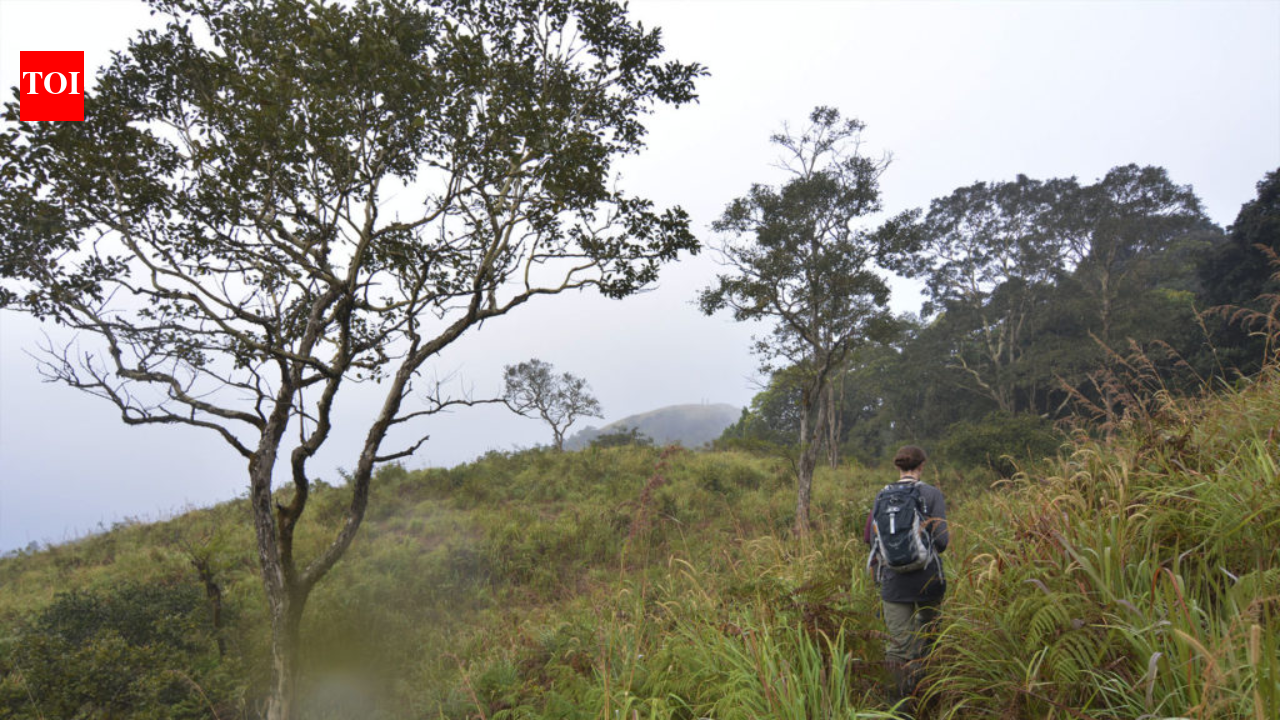
In 2007, conservationist Ahmed Chamanwala started turning a troubled plantation in Kerala into a wildlife refuge. Today, 90% of his 570-acre estate is dedicated to rewilding. Many animals like elephants and tigers now pass through the land. He used this project to stop illegal activities and protect the local forest.
When Ahmed Chamanwala began an ecotourism venture on a plantation in Kerala in 2007, his initial aim was to regain control of a property where poaching, illegal tree felling and other activities had become difficult to prevent. Over time, the project took a different direction. By keeping much of the land free from human activity and allowing vegetation to recover, he found that the plantation was gradually turning into a refuge for wildlife.
Today, around 90% of his 570-acre estate, known as Fringe Ford, in Kerala's Wayanad district is dedicated to rewilding and conservation. According to the official webite of Fringe Ford, elephants, tigers, leopards and barking deer move through the landscape, while birds such as the Malabar trogon and golden oriole inhabit its tree cover.According to a report by Sohel Sarkar in Rewilding Magazine, the estate lies in a horseshoe-shaped valley between the Wayanad and Aralam wildlife sanctuaries. Its location makes it part of a larger forest landscape used by wildlife moving between protected areas.
How a plantation became a wildlife refuge
The story of Fringe Ford goes back to 1995, when Chamanwala's father purchased the property as a working plantation, growing mainly cardamom and coffee.
The family had been interested in the landscape for years. Chamanwala first visited it as a teenager and became interested in its birds and wildlife.
However, the estate's ownership soon became complicated. In 2001, the Kerala Forest Department notified around 405 acres of the property as private forest under the Kerala Private Forest (Vesting and Assignment) Act, 1971. The family disputed the notification, maintaining that the land had already been recognised as plantation land and should not have been taken over.As the legal dispute continued, plantation operations became increasingly difficult. With parts of the property falling into disuse, poaching, illegal liquor production, marijuana cultivation and tree felling became problems in the surrounding landscape. Chamanwala and his team faced threats while trying to stop these activities. He recalled being shot at, vehicles being attacked and roads being dug up. Gunshots were also heard around the estate at night.In 2007, he started a wildlife-focused ecotourism venture and opened a five-room homestay. The idea was to bring regular human presence to different parts of the property through guided walks, making it harder for illegal activities to continue unnoticed. But the venture also brought an unexpected change.As plantation activity declined in many parts of the estate, vegetation began recovering. Areas that had been disturbed started regenerating, water tables improved and animals increasingly used the property as a safe passage and habitat.
90% of the estate is now dedicated to conservation
According to the Sanctuary Nature Foundation, which profiled Fringe Ford in its coverage of private conservation initiatives in India, the estate had grown to around 572 acres after the addition of 45 acres from a neighbouring tea plantation. Around 90% of the property was dedicated to conservation, supported by the profits from its five-room wildlife lodge.The landscape has several natural features that make it important for wildlife. The property lies in a horseshoe-shaped valley with headwaters that feed into the Kabini river system. The conservation foundation has also reported that 27 streams originate in the valley.Its location between the Wayanad and Aralam forest landscapes allows animals to move through the property. Elephants, tigers, leopards and barking deer have been recorded or sighted in the wider estate landscape. Chamanwala has also described encounters with a tiger close to the bungalow.The estate is not a government-notified wildlife sanctuary. It is a privately owned conservation landscape where the owner has chosen to allow much of the land to recover naturally while maintaining a small tourism operation.
The challenge of protecting privately conserved land
Despite the ecological changes, Chamanwala's work has involved a prolonged legal dispute over the property's classification. According to Rewilding Magazine, the original 2001 notification was followed by another in 2008, which reduced the area under dispute from around 405 acres to 395 acres. After years of legal proceedings, the actively contested portion has come down to approximately 112 acres. The family remains in possession of the land while continuing to challenge the claims.The dispute has also affected how much restoration work can be undertaken. Chamanwala said that he has had to maintain plantation activity in the contested area to support his ownership claim, even when his long-term aim is conservation.In 2017, he presented policymakers with a proposal for a legal framework that would recognise private conservation in India. His proposal included allowing landowners to dedicate property to conservation permanently, while permitting responsible tourism and research as sources of income. It also suggested tax incentives for people who commit land to long-term ecological protection. However, a separate legal category for privately conserved and rewilded land has not been created.
Chamanwala has continued to invest in the landscape despite these challenges. He has also declined opportunities to turn Fringe Ford into a larger commercial resort. For him, the value of the property lies in allowing the forest to recover and wildlife to move through it. What began as an effort to protect a troubled plantation has developed into a long-term commitment to keeping a large stretch of Kerala's Western Ghats landscape available to nature.