
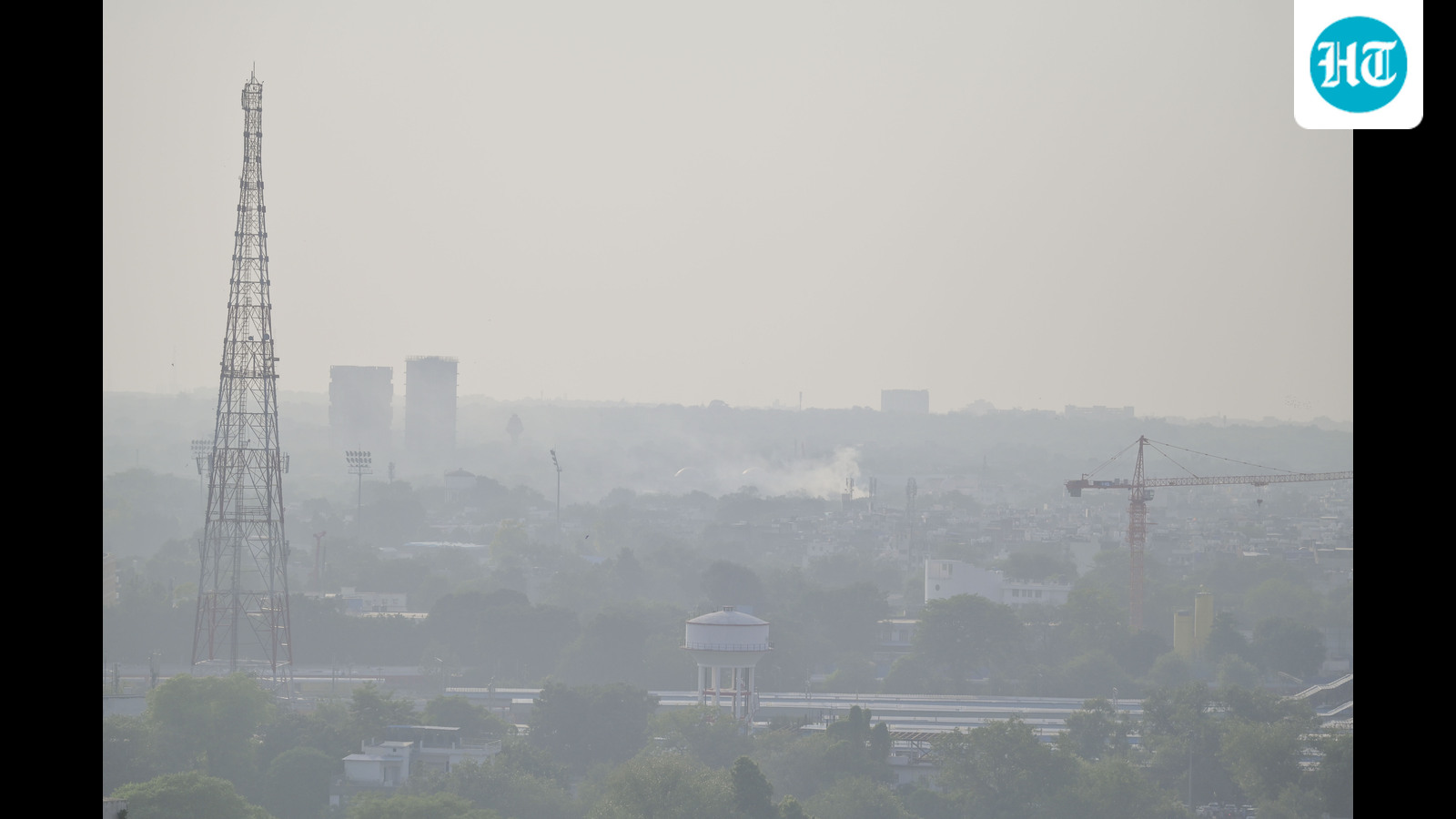
A study by the Centre for Research on Energy and Clean Air showed that the new Grap failed to curb pollution in 10 of 12 episodes. Analyst Manoj Kumar said, “The immediate dip in AQI, which is envisaged around Grap does not happen.” Pollution levels often rose after strict measures started.
Carried out by the Centre for Research on Energy and Clean Air (CREA), the assessment looked at the mean air quality index (AQI) in the seven days before the episode began and compared it with the mean in the seven days after it – finding the AQI was higher in the following week in 10 of the 12 episodes and it declined in only two instances. Essentially, pollution spikes from dangerously alarming levels – over 400, start to dip a week after strict emergency-based measures are invoked.
To be sure, the report does not take into account fluctuations in weather that may have improved or worsened the pollution crisis.
Stage 3 of Grap is supposed to be invoked when the AQI is forecast to cross 400, while stage 4 measures are supposed to kick in ahead of the AQI touching 450. The stages – Grap has four in all – involve progressively stricter curbs, such as raising parking fees and staggered office timings in stage 2; halting non-essential construction and the plying of private four-wheelers that are BS-3 petrol and BS-4 diesel or lower in stage 3; and the toughest -- banning entry of trucks into Delhi, heavy goods vehicles below BS-4 and stopping all construction or demolition at the highest stage.
“The largest increase followed the November 2, 2023 episode, when mean AQI rose from 317 the before November 2 – to 431 after it, an increase of 114 points,” said the analysis, flagging other substantial increases on October 29, 2022 episode (+100 points), on January 3, 2025 (+94 points) and the January 28, 2025 episode, when the AQI rose by an average of 92 points in the subsequent seven days.
“The broader pattern is that pollution often remained high or increased in the week after Delhi entered the severe Grap stages. The day-by-day analysis tells a similar story. Across the 12 episodes, average AQI reached around 25% above the preceding seven-day average on the first and second days after escalation. By the seventh day, it remained around 15% above that baseline,” it added.
Manoj Kumar, analyst at CREA, who led the analyis, said the entire premise of Grap remains to control episodic events but data suggests it has failed to do that. “The immediate dip in AQI, which is envisaged around Grap does not happen, as data shows AQI in most cases, even after upgrading to a higher stage of Grap, has not yielded positive results immediately. This happens only after a week or so has passed,” he said, stating exposure by then remains fairly high and can impact people’s health both in the short and long-term.
The assessment also looked at the pollution levels across the winter period from 2022 till 2026, finding no significant change in AQI, or improvement in the longer-term.
“Delhi’s winter AQI has fluctuated over the past four years, with no consistent improvement. The mean AQI rose from 280 in winter 2022–23 to 304 in 2023–24, fell to 285 in 2024–25 and increased again to 295 in 2025–26. The median AQI followed a similar pattern, rising from 294 to 324, falling to 289 and then increasing to 305,” the assessment said, flagging the highest pollution levels to still be a concern, despite Grap being in place. “The 90th-percentile AQI, which indicates the level below which 90% of daily readings fall, was 377 in 2022–23, 400 in 2023–24, 396 in 2024–25 and 390 in 2025–26,” it said.
Grap saw a major overhaul in 2022, with an aim to turn a reactive tool into a preventive framework. It introduced four AQI-based stages – Stage 1 (Poor), Stage 2 (Very Poor), Stage 3 (Severe) and Stage 4 (Severe Plus) – and required pre-emptive action. It is invoked by a sub-committee under the Commision for Air Quality Management (CAQM) in NCR.
Experts have consistently held that Grap continues to falter on the pre-emptive action aspect. Complicating timely announcement is the lack of accurate forecasting. HT had last winter, flagged multiple instances of the Air Quality Early Warning System (AQEWS) failing to predict accurately for the next day.
“The problem around efficacy remains as Grap and its stages are not imposed three days in advance. At the same time, since forecasts are not accurate and one sees AQI deteriorating suddenly, even when the forecast tells a different story,” said Sunil Dahiya, founder and lead analyst at Envirocatalyts. Dahiya added with meteorological conditions remaining unfavourable and wind speed slow during the winter months, it can take days for pollutants to disperse around the larger airshed. “This is why we need more measures in NCR and not just Delhi. At the same time, we need measures in advance. This winter, we have seen the Delhi government announce a host of measures in advance, but at the same time, we need similar action in NCR,” he added.