
The MP Pollution Control Board is questioning why Kymore soil samples were sent to the central lab instead of regional centers. Officials said transporting samples over long distances can affect results. Meanwhile, a UK-based resident, Rajnikant, filed a formal complaint seeking an investigation into alleged asbestos pollution in the area.
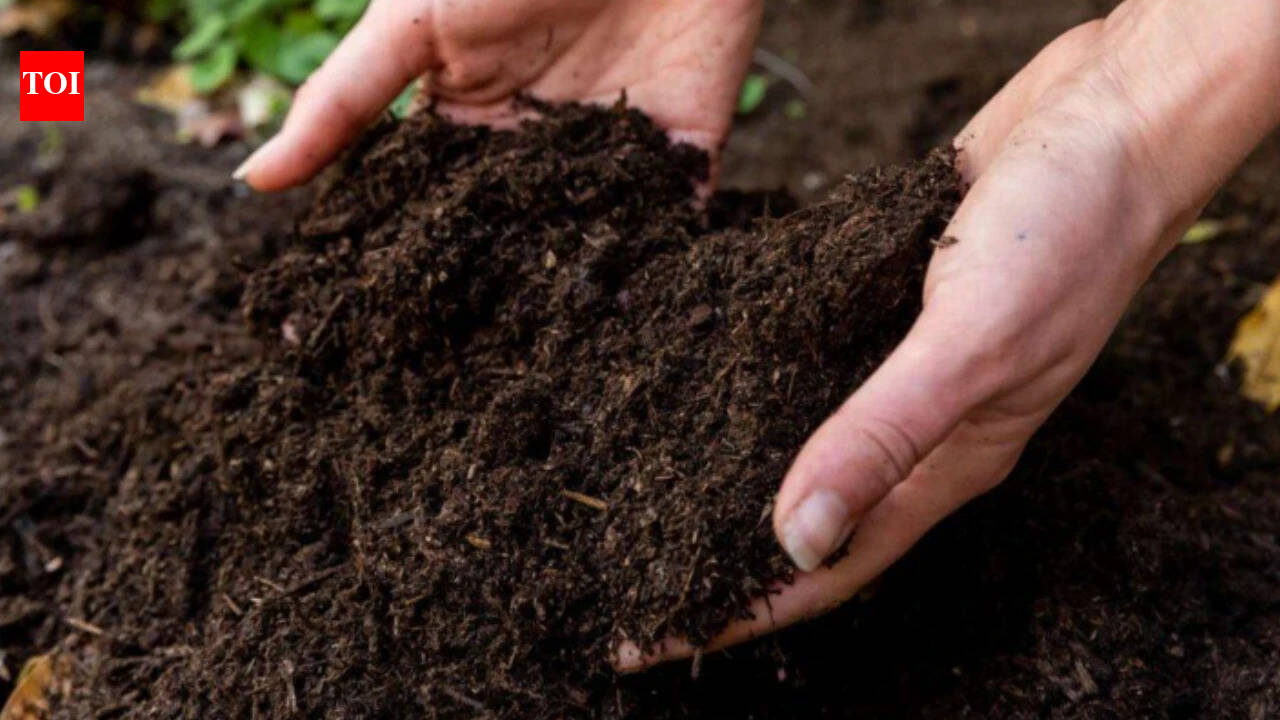
Concerns have been expressed about the soil sample testing methods in Kymore (Representative image)
BHOPAL: The Chief Scientific Officer (CSO) of MP Pollution Control Board (MPPCB) has questioned regional officers over the decision to send soil samples from Kymore in Katni district to the Board's central laboratory, instead of testing them at the regional level, sources said. In a communication circulated to all regional officers, the CSO sought an explanation for the move, which has put the sampling and testing procedure in the sensitive asbestos matter under scrutiny. The samples were collected from Kymore and sent to the central lab by local officers. Sources said regional laboratories have the facilities to conduct such tests. They added that transporting samples over long distances can affect results if protocols for preservation, packaging, handling and transport are not strictly followed. Whether the samples have been compromised can be established only through technical assessment and laboratory procedures, they said. Separately, the Board has received a formal complaint from a UK-based resident, Rajnikant, seeking an immediate investigation into alleged asbestos pollution in the Kymore area and its potential risks to public health and the environment. In his complaint, Rajnikant raised concerns over the possible impact on residents, workers, animals, food supplies and the surrounding environment. He urged the authorities to carry out an on-site inspection and conduct scientific tests wherever necessary. He has sought an inquiry into whether asbestos or asbestos-containing materials are being used, stored, processed, transported or disposed of in the area, and whether such activities comply with safety regulations and statutory requirements. He also asked for testing of air, soil and water, where warranted, to determine whether asbestos fibres or dust are spreading to nearby residential areas, shops, workplaces, agricultural land, livestock or food items. The complainant has further asked the authorities to verify the permissions, licences and environmental clearances required for asbestos-related activities, and to examine compliance with occupational health and safety norms for workers and people living nearby. The complaint also seeks immediate corrective action if any violation is established, including safe handling and storage, clean-up of affected areas and safe disposal of hazardous material. It asks for written confirmation of receipt and details of the action taken. Rajnikant has stated that photographs, documents and other evidence have been attached. The laboratory findings, along with any inspection by the competent authorities, will be crucial in determining whether asbestos contamination exists and whether further action is warranted. The Board's official response to the complaint is awaited. Kymore, in Katni district, has been grappling with the legacy of India's first asbestos factory, established in 1933. A 2016 assessment by Canadian environmental consultancy ECOH Management documented asbestos contamination in parts of Kymore and nearby Kalhara, including residential yards, agricultural fields and playing areas.